Restaurant SEO · Surat

Restaurant SEO in Surat: naming the Surti dish before the neighbour does

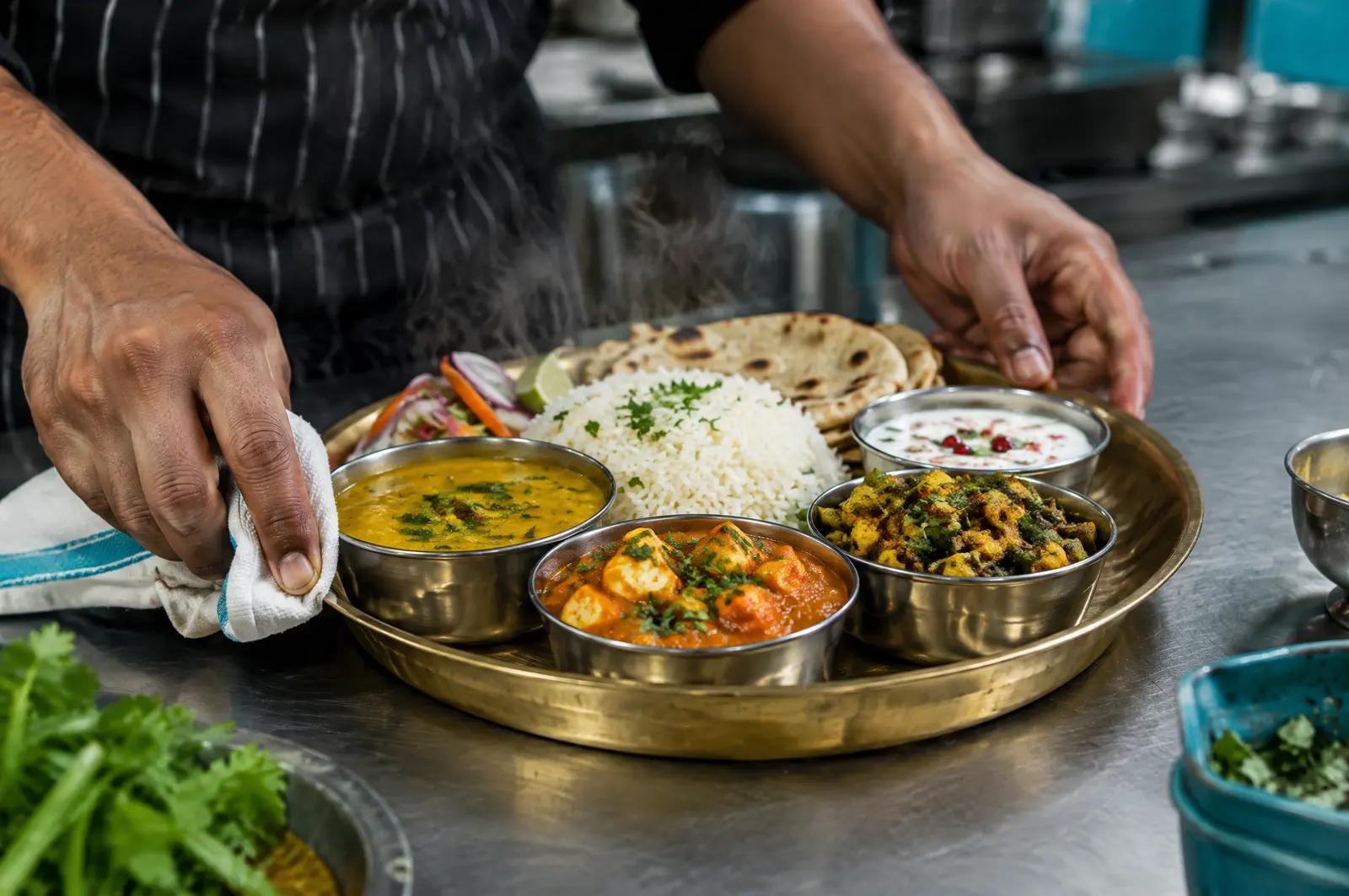
Surat takes its food personally, and its diners search for dishes few other cities name: locho for breakfast, khausa in the old city, ponk in winter, ghari on Chandi Padvo, undhiyu at Uttarayan. Those are precise searches by people who know exactly what they want. A profile that only says Gujarati or fast food cannot match them, while one that lists the dish, the price and the hours usually can.

Written by
Web Sarathi Local SEO Team
Last updated
Updated
Reading time
6 min read
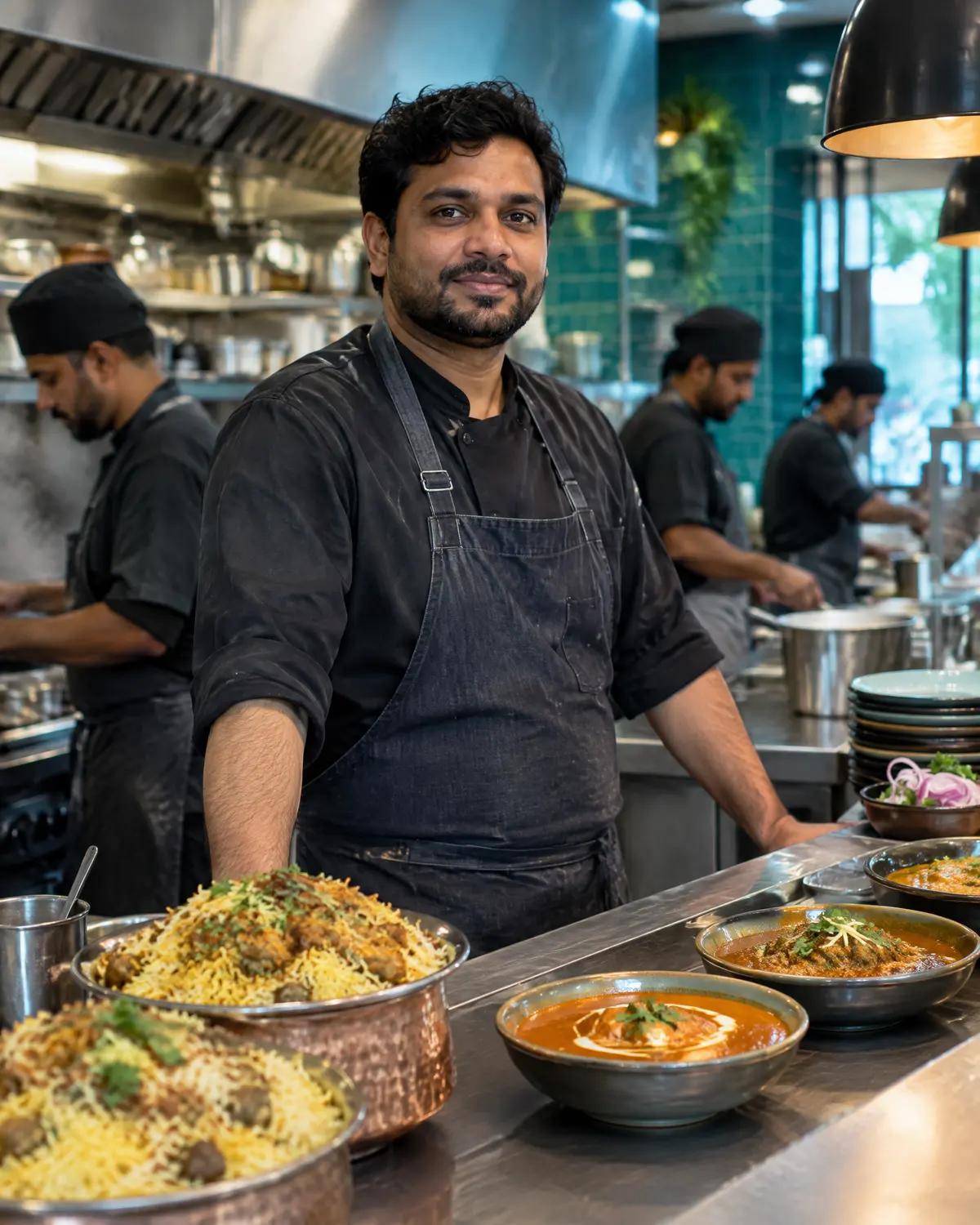
A chef-owner in a dark apron at the pass of a busy open restaurant kitchen
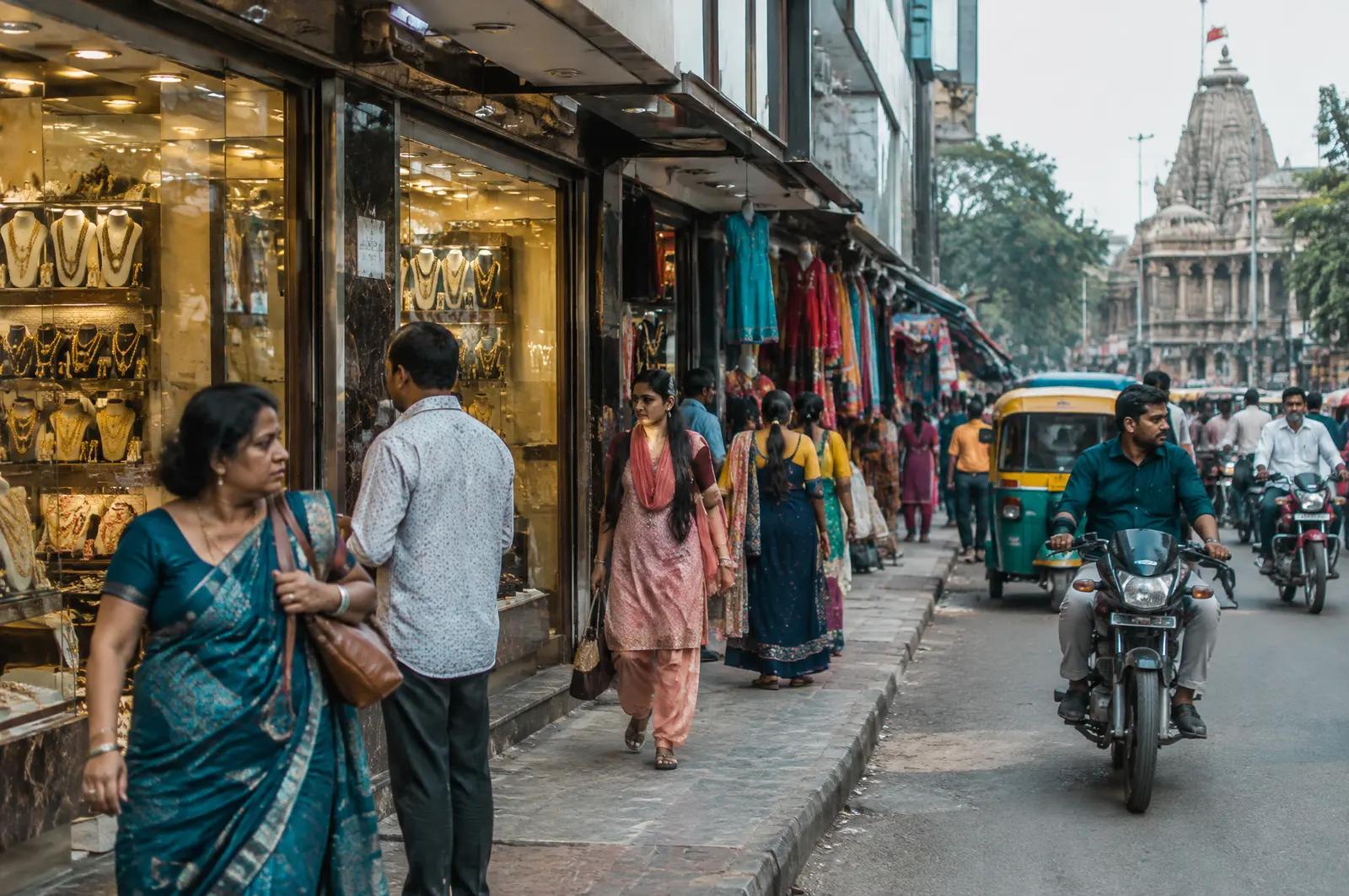
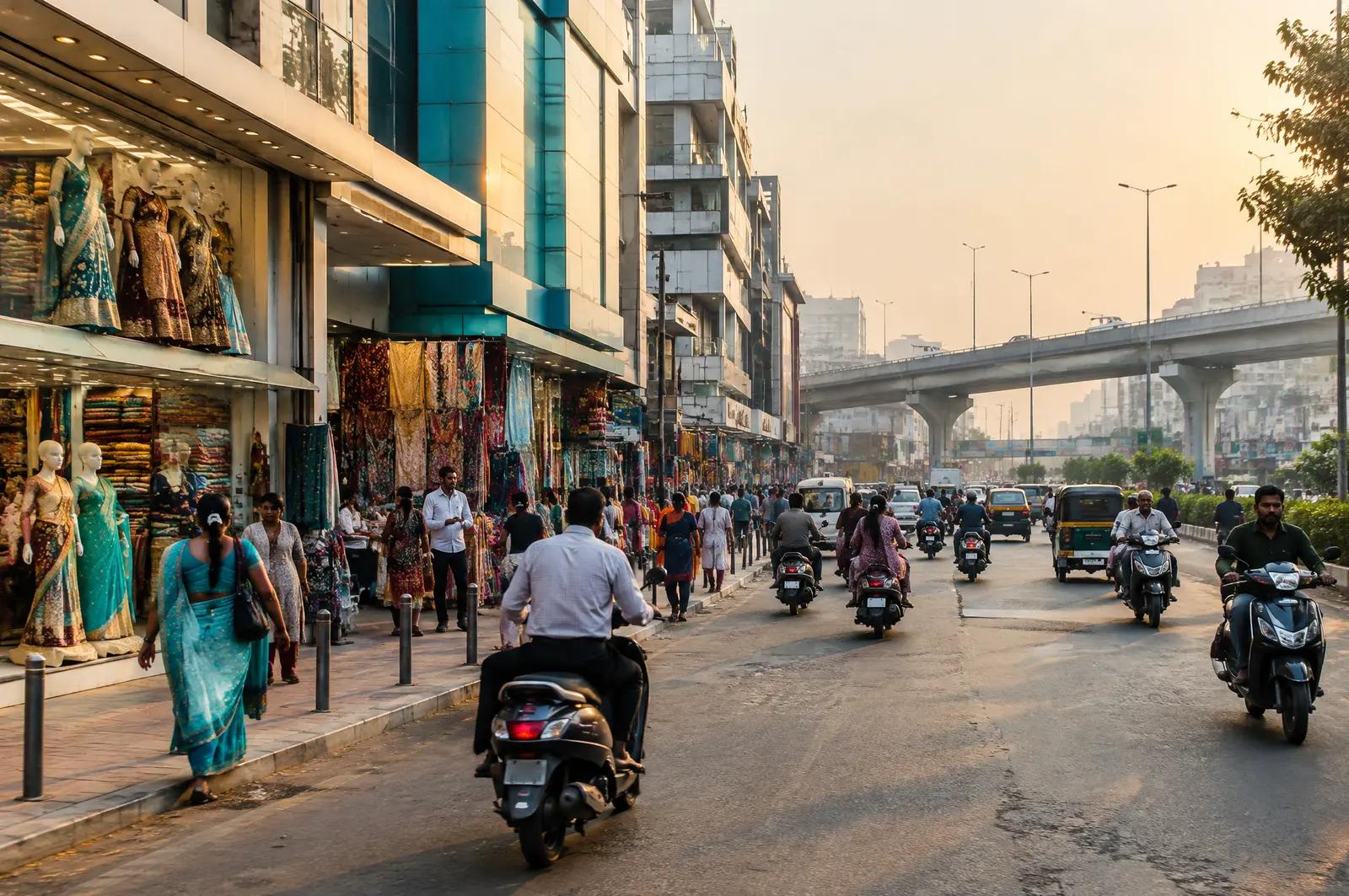
A commercial street in Surat, Gujarat, with local shops and traffic

Restaurant SEO · local report

Surat

Gujarat

The calendar has a Surat-specific twist. After Diwali many diamond units in Varachha and Katargam close for a long break and workers travel home to Saurashtra, so the east of the city thins for weeks while Vesu, Adajan and Dumas Road stay busy. Plan hours and posts by area, not by the city’s average.

Search languages
Gujarati · Hindi · English
Areas covered below
8 hotspots · 6 zones
Recommended scan
7×7 · 4 km
Key local dates
Uttarayan · Ramzan · Navratri

Restaurant SEO in Surat: the short version

  1. Name Surti dishes — locho, khaman, khausa, ponk — on the menu with prices; Surat diners search the dish, and generic labels miss them.

  2. If you are in Varachha or Katargam, expect the post-Diwali break to thin trade for weeks; enter special hours and post your reopening date.

  3. Post ponk and undhiyu availability as soon as each season starts; those searches come in a short winter window.

  4. Name your side of the Tapi in the description; diners in Adajan and Rander rarely cross the river for an ordinary meal.

Where restaurant demand concentrates in Surat

In short: In Surat, the areas that matter most for restaurant businesses are Varachha, Chowk Bazaar and the old city, Rander and 5 more below. Rank in each one separately; a single search from your own counter tells you nothing about them.

Surat · 8 areas to check one by one

  1. Varachha

    Diamond workers and Saurashtrian families eat Kathiyawadi food and street snacks; Gujarati replies, published prices and accurate hours around the industry’s Diwali break decide the year.

  2. Chowk Bazaar and the old city

    Old Surat’s lanes carry long-running farsan and snack counters and evening street food; dish names, early opening and a frontage photograph help visitors find the right counter.

  3. Rander

    An old riverside town within the city whose Muslim families keep a strong home-style food culture, busiest after iftar in Ramzan; the halal attribute, khausa named and Ramzan special hours answer most searches.

  4. Adajan and Pal

    West Surat’s apartment neighbourhoods across the Tapi produce family dining and heavy delivery; family-friendly and parking attributes and an accurate dine-in status win weekend dinners.

  5. Vesu and Piplod

    The city’s newer restaurant and café belt, with large family restaurants and dessert places; recent photographs, parking and late weekend hours carry the decision.

  6. Dumas Road

    Weekend drives towards Dumas beach bring families looking for bhajiya, roasted corn and a sit-down meal on the way; outdoor seating, parking and weekend hours decide the stop.

  7. Ring Road textile markets

    Traders and buyers eat quick lunches between markets; weekday lunch windows, thali prices and photographs of fast service matter more than décor.

  8. City Light and Athwa

    Settled, well-off neighbourhoods where families eat out often and read reviews closely; Gujarati and English replies and a menu with prices win repeat visits.

How people in Surat search for a restaurant

In short: People in Surat search in Gujarati, Hindi, English, and they name the area, not just the service. Your profile has to match the words they actually type.
A customer in Surat looking up a nearby business on a phone
  • adajan ma locho
    What they mean
    Gujarati: “locho in Adajan”
    What your profile must show
    Locho named with its price and the morning opening time
  • ponk kya male surat
    What they mean
    Gujarati: “where can I get ponk in Surat?”
    What your profile must show
    Ponk named in season, and a post the day it starts
  • khausa near rander
    What they mean
    A diner after Surat’s own noodle dish
    What your profile must show
    Khausa named with its price and evening hours
  • chandi padvo ghari order
    What they mean
    A pre-order of the festival sweet
    What your profile must show
    A post with the cut-off and pickup times
  • vesu ma family restaurant
    What they mean
    Gujarati: “family restaurant in Vesu”
    What your profile must show
    Family-friendly and parking attributes, photographs of large tables
  • dumas road restaurant open now
    What they mean
    A family already in the car on a weekend evening
    What your profile must show
    Correct weekend hours and outdoor seating
  • ring road lunch thali
    What they mean
    A trader with half an hour between markets
    What your profile must show
    A weekday lunch window and the thali price

What makes Surat different

In short: What changes in Surat: The diamond industry’s Diwali break · Seasonal dishes have short windows · Across the Tapi.
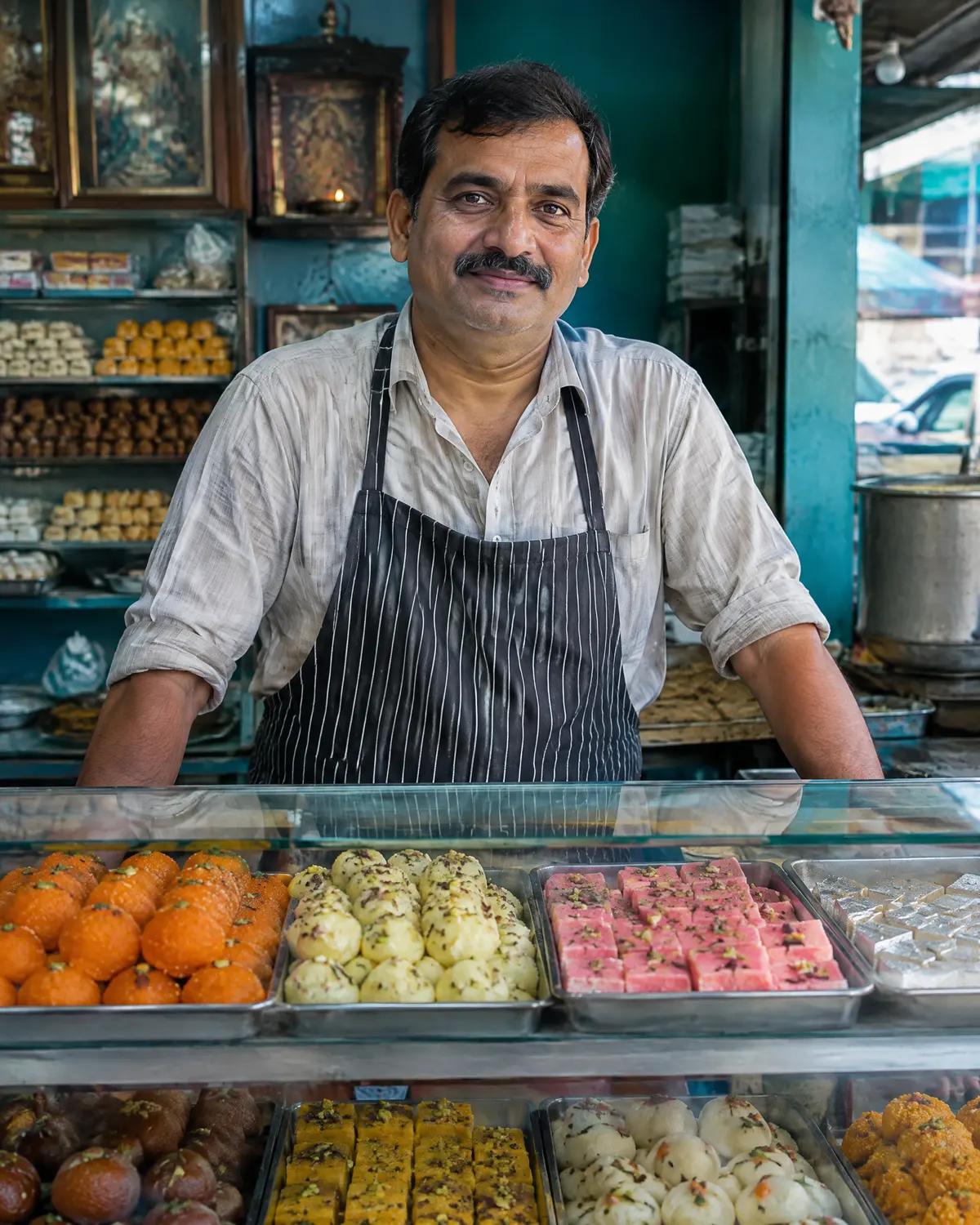
A local business owner in their shop in Surat

The diamond industry’s Diwali break

After Diwali many diamond-cutting units close for a long break and their workers leave for Saurashtra. Restaurants serving Varachha, Katargam and Kapodra see trade drop for weeks while western Surat carries on. Enter any closure as special hours before Diwali, post the reopening date, and do not judge your Maps position by those weeks.

Seasonal dishes have short windows

Ponk appears only in winter, undhiyu peaks at Uttarayan, and ghari belongs to Chandi Padvo. Searches for each come in a short burst. Add the dish to the menu when it starts, post with price and pickup details, and remove it when the season ends, so the menu never promises something that is not on the stove.

Across the Tapi

The river separates Adajan, Rander and Pal from the old city, and bridge traffic keeps everyday diners on their own side. Name your side and nearest bridge or landmark in the description, check the map pin, and expect visibility to stop at the river unless you serve a dish people will cross for.

The Surat restaurant calendar

In short: Demand in Surat moves with Uttarayan (Jan), Ramzan (Feb–Mar), Navratri (Sep–Oct). Prepare your profile two to three weeks before each one.
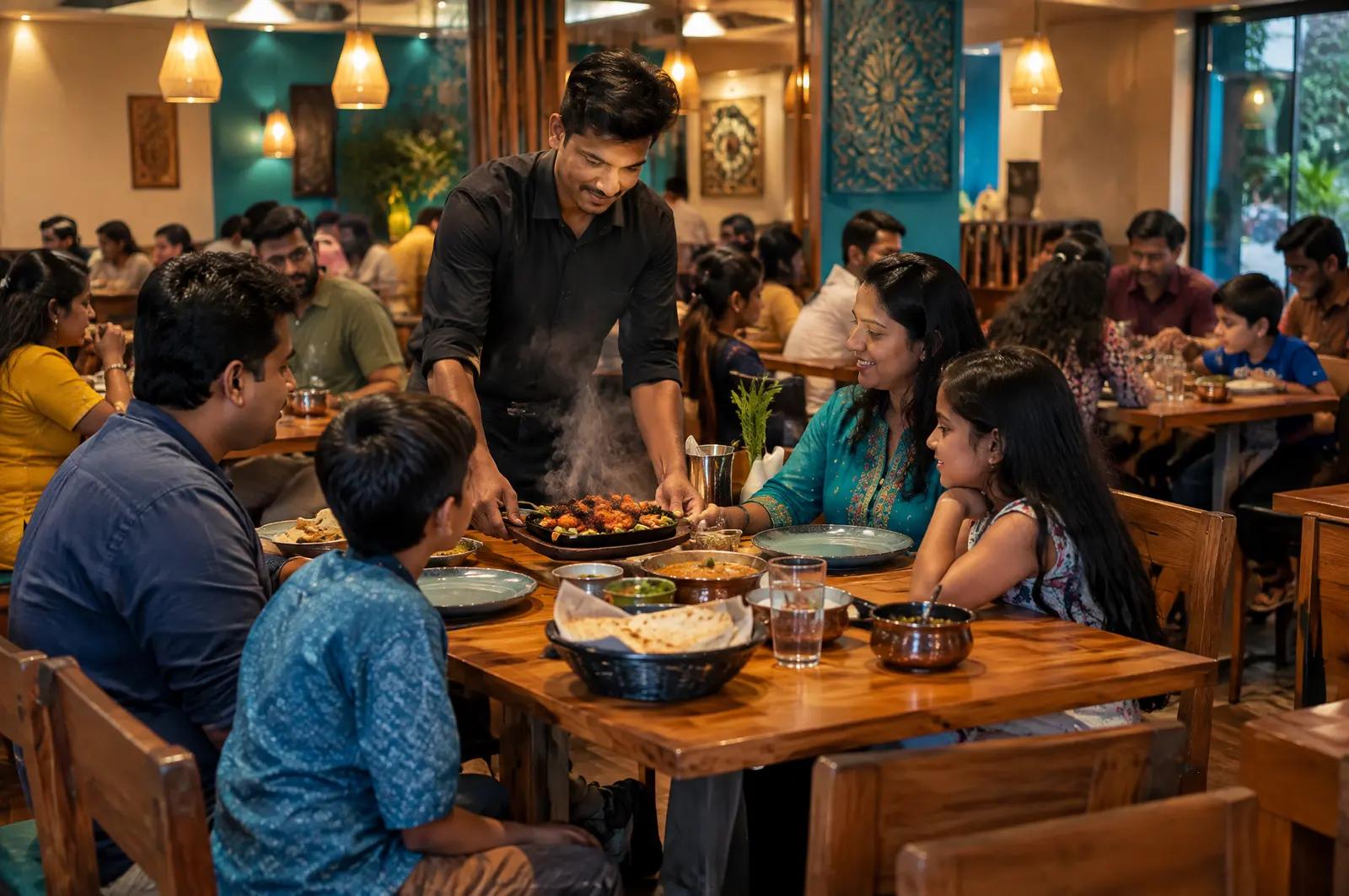
A busy family restaurant dining room in the evening, a waiter serving sizzling platters
  1. UttarayanJan

    Undhiyu and jalebi orders fill the day. Post pre-order cut-offs a week ahead, enter special hours if dine-in closes, and photograph the trays going out.

  2. RamzanFeb–Mar

    Rander and the old-city lanes stay busy after iftar. Enter late special hours, list khausa and Ramzan specials with prices, and post a week before the month begins.

  3. NavratriSep–Oct

    After-garba crowds look for late food in Vesu, Adajan and Piplod. Enter special hours for each night and publish farali and late menus two weeks ahead.

  4. Chandi PadvoOct

    Surat buys ghari and stays out late on terraces and by the river. Post ghari prices and late hours a week ahead, and enter special hours for the evening.

  5. Diwali breakOct–Nov

    Enter closures early and post the reopening date. In eastern Surat expect quiet weeks; use them to photograph the room and update the menu for ponk season.

Measuring your reach across Surat

In short: Scan a 7×7 grid over 4 km around your location to see where you appear in the local pack and where a competitor beats you.

Example scan, Surat

Example

7×7 grid, 4 km radius, points about 1.3 km apart

Surat diners rarely cross the Tapi for routine meals, so 4 km at 7×7, with points about 1.3 km apart, shows whether you reach beyond your bank. Centre it on the restaurant, scan locho or the cuisine you lead with, and look for the hard edge at the river.

In the top three at 14 of 48 points

  • Top 3, the local pack14 points
  • Ranks 4 to 1014 points
  • Ranks 11 to 308 points
  • Ranks 31 to 1004 points
  • Not in the results8 points
  • Your business, at the centre of the scan

Illustration. A real Web Sarathi scan plots your actual Google Maps position at every point, with the businesses ranking above you.

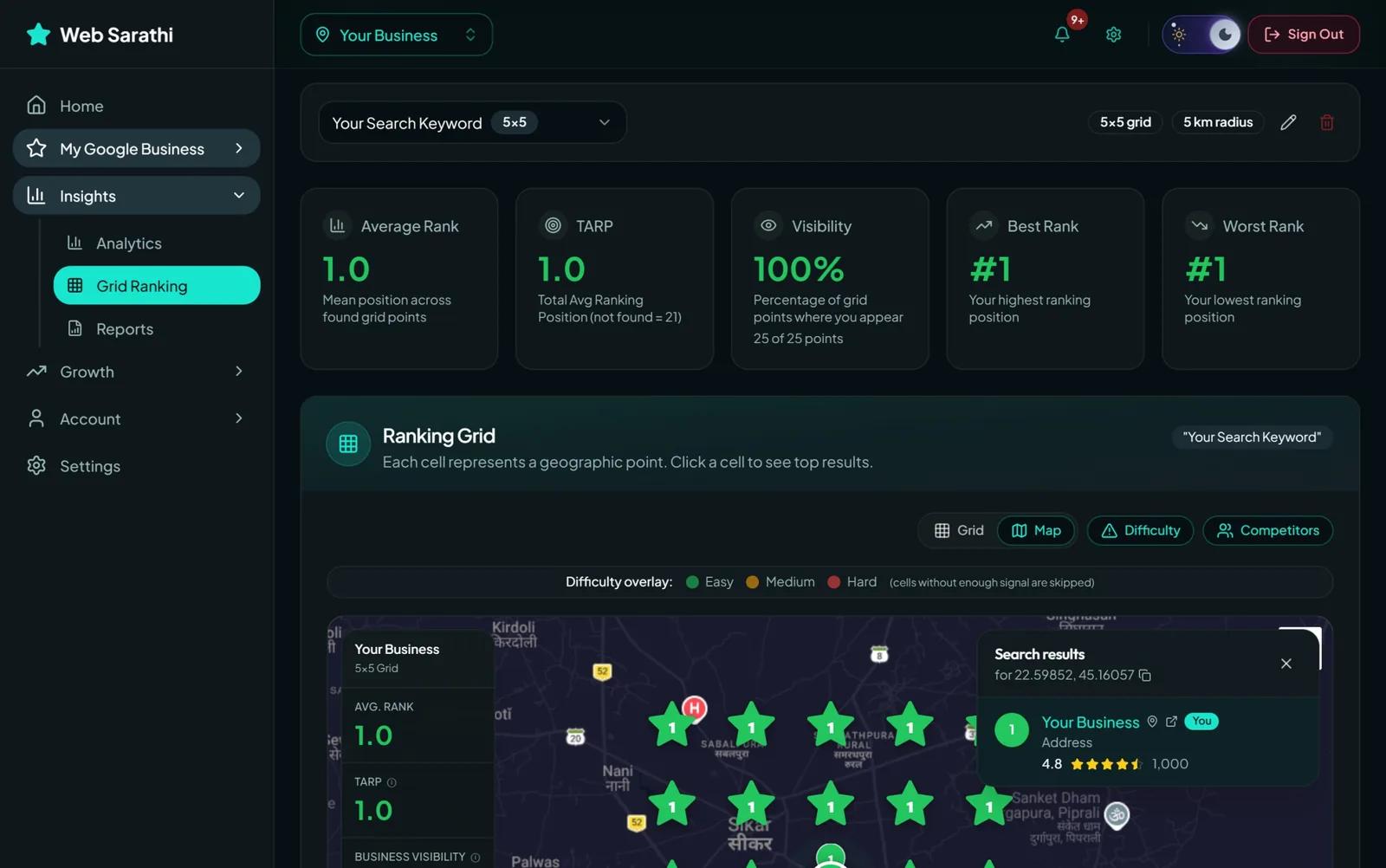
Grid ranking

Find out which streets you are actually invisible on

Searching from behind your own counter tells you nothing. Grid ranking measures your Maps position from dozens of points around the restaurant and returns a heat map of your real catchment.

  • See how far your visibility actually reaches, street by street
  • Track a dish or cuisine keyword over weeks instead of guessing
  • Compare honestly against the neighbour you assume is beating you
Grid ranking heat map showing Google Maps position across a neighbourhood

The restaurant playbook behind this page

In short: Everything on this page applies the national Restaurant SEO guide to Surat. These are its core rules.
A restaurant business owner at work, looking at the camera
  1. An Indian restaurant’s real competitor is the aggregator app; a diner who walks in from Google Maps pays no commission, while an aggregator order commonly loses a quarter to a third of its value.

  2. Hours work as a filter, not a ranking factor: a restaurant shown as closed is removed from open-now results, so split lunch and dinner windows and enter festival closures as soon as they are decided.

  3. Put dishes, prices and diet attributes on the profile; a search for a specific dish such as thali, kothu parotta or filter coffee cannot match a restaurant that has never named it.

  4. Restaurants have a review-handling problem, not a collection problem: answer every review within hours, in the language it was written in, for the next fifty readers rather than the reviewer.

  5. A delivery-only brand can hold its own Google profile only with distinct branded packaging and its own website, and it must hide the kitchen address and set service areas instead.

Surat at a glance

Surat’s economy is built on diamonds and textiles, and both shape its local market. Diamond cutting and trading are concentrated around Varachha, Katargam and Mahidharpura, and textile wholesale runs through the markets along the Ring Road, which bring traders, workers and buyers from across the country. Residential growth has pushed west and south-west, so Adajan, Piplod, Vesu, Athwa and City Light now hold much of the city’s newer retail, dining, healthcare and fitness businesses.

The Tapi river separates Adajan, Rander and Pal from the old city, and people on either side tend to look for services nearby. Varachha and Katargam behave very differently from Vesu or Adajan: the older areas are dense, with long-standing shops and loyal customers, while the newer western areas have more apartment residents who pick businesses through Google search and reviews. Customers commonly search in Gujarati and English, and Hindi is widely used by workers who have moved to Surat from other states.

The Tapi separates Adajan, Rander and Pal from the old city, and traffic on its bridges and on the Ring Road keeps most customers on their own side of town.

Surat · 6 zones · 28 localities

Old City

  • Chowk Bazaar
  • Nanpura
  • Gopipura
  • Mahidharpura
  • Salabatpura

East Surat

  • Varachha
  • Mota Varachha
  • Kapodra
  • Sarthana
  • Puna

North Surat

  • Katargam
  • Ved Road
  • Amroli
  • Utran

West Surat

  • Adajan
  • Rander
  • Pal
  • Jahangirpura

South-West Surat

  • Athwa
  • Ghod Dod Road
  • City Light
  • Piplod
  • Vesu
  • Althan

South Surat

  • Udhna
  • Pandesara
  • Bhestan
  • Limbayat

Searched alongside the city

  • Hazira
  • Kamrej
  • Olpad
  • Sachin

Restaurant SEO in Surat: questions owners ask

We sell ponk only in winter. Should it go on the Google menu?

Yes, for the season. Add it as a dish when you start serving it, post a photograph and the price, and take it off when it ends. Searches for ponk come in a short window, and only profiles that name it can match them. An out-of-season dish left on the menu produces disappointed diners and pointed reviews.

Our area empties after Diwali. Does that hurt our ranking?

Not in any lasting way; fewer diners means fewer visits, not a penalty. What does hurt is a shut shutter while the profile says open. Enter the break as special hours, post the reopening date, and keep answering reviews. When the units reopen, post again so returning workers can see you are cooking.

Should we stay open late on Chandi Padvo?

If your customers are out, yes. Chandi Padvo sends families out late with ghari and snacks, and searches for places still open run past normal closing. Enter special hours for the night, post a week ahead with ghari prices and pre-order timings, and staff the counter for a rush that arrives all at once.

Is it worth listing every farsan item separately?

List the ones people search by name and the ones you are known for, each with a price: locho, khaman, sev khamni, patra. A full catalogue of every namkeen adds little. Say in the description that you sell farsan by weight if you do, and keep prices current; an out-of-date price list is a common complaint.

Which areas of Surat matter most for a restaurant business?

Start with Varachha, Chowk Bazaar and the old city and Rander. In Varachha: Diamond workers and Saurashtrian families eat Kathiyawadi food and street snacks; Gujarati replies, published prices and accurate hours around the industry’s Diwali break decide the year. Check your Google Maps position in each area separately, because ranking in one does not carry over to the next.

How do people in Surat search for a restaurant on Google?

They name the area as well as the service, in Gujarati, Hindi and English. Typical searches include “adajan ma locho” and “ponk kya male surat”. To win “adajan ma locho”, your profile has to show locho named with its price and the morning opening time.

When is the busiest season for restaurant businesses in Surat?

Demand in Surat moves with Uttarayan (Jan), Ramzan (Feb–Mar) and Navratri (Sep–Oct). Undhiyu and jalebi orders fill the day. Post pre-order cut-offs a week ahead, enter special hours if dine-in closes, and photograph the trays going out.

How should a restaurant business in Surat measure its Google Maps ranking?

Scan a 7×7 grid over 4 km around your location rather than searching from your own premises. Surat diners rarely cross the Tapi for routine meals, so 4 km at 7×7, with points about 1.3 km apart, shows whether you reach beyond your bank. Centre it on the restaurant, scan locho or the cuisine you lead with, and look for the hard edge at the river.

How does Web Sarathi help a restaurant business in Surat?

Web Sarathi audits your Google Business Profile on day one, gives you a short daily task list of about ten minutes, collects reviews through a QR code, drafts replies in the reviewer’s own language — including Gujarati and Hindi — and maps your ranking across Surat so you can see which areas you are winning. You can start with a free audit.
How Web Sarathi helps

Everything above, done in about ten minutes a day

Ranking across Surat comes down to a few things done steadily. Web Sarathi tells you which ones to do today, does the slow parts for you, and maps your position across Surat so you can see it working.

  • A customer scanning the review QR code at a restaurant counterReviews in seconds
  • A restaurant business owner replying to reviews on a phoneReplies, steadily
  • A restaurant business owner photographing their work for a postReal photos, posted
  1. Audit and score

    Day one: more than 50 checks on your profile and a score out of 100, so you know exactly what is missing.

  2. Ten minutes a day

    A short daily task list — complete the profile first, then photos, posts, reviews and replies, in the right amounts.

  3. Reviews in seconds

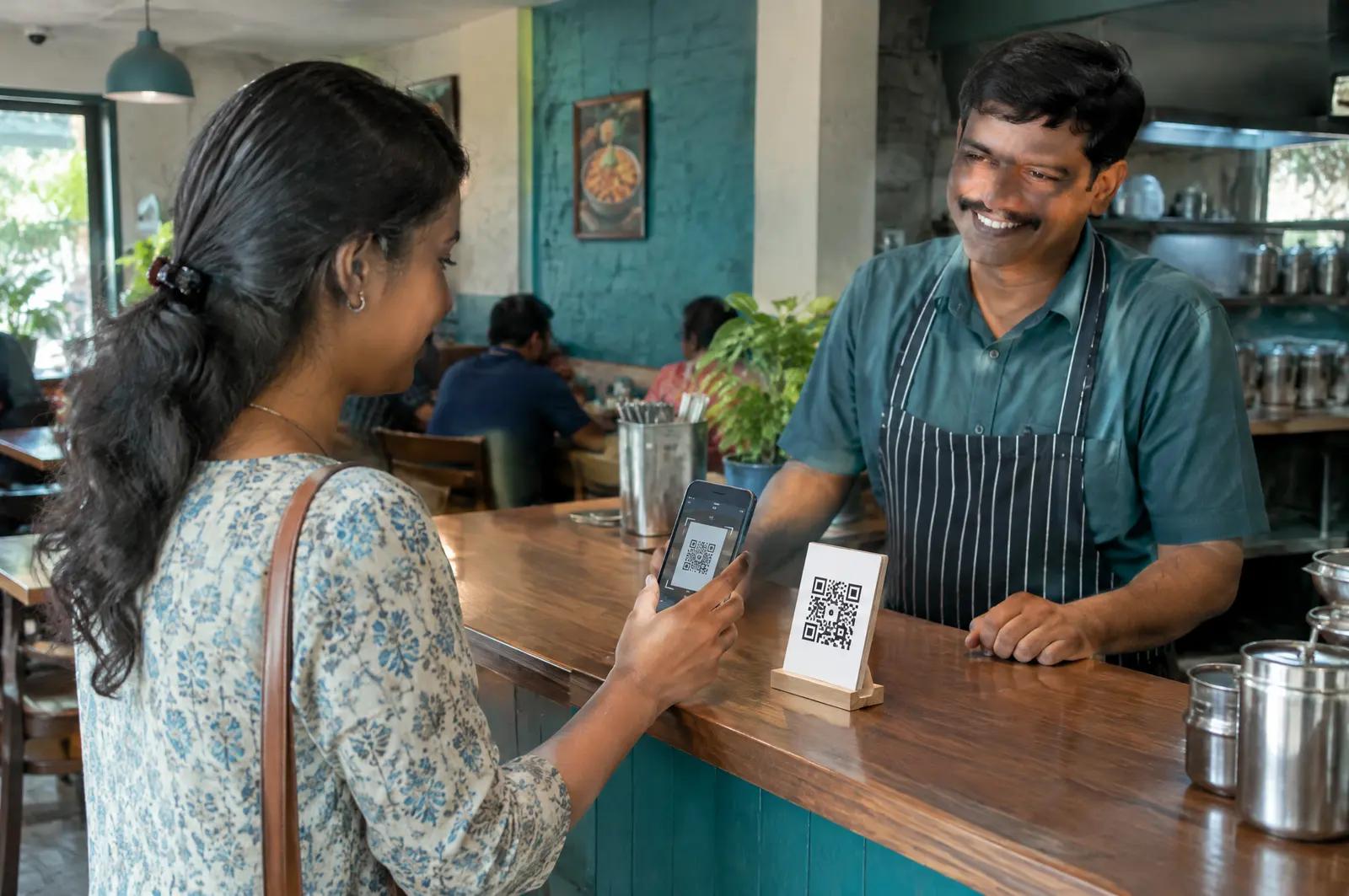
    A QR code at the counter. Customers pick a suggested highlight, make it their own and post it from their Google account.

  4. Replies Google rewards

    One-click or automatic replies in the reviewer’s language, paced so the profile never looks automated.

  5. Posts and a live website

    Keyword-aware captions for your real photos, published to Google and to a website that updates itself every night.

  6. Rank map and protection

    Your Google Maps position street by street, the competitors beating you, and an alert when someone edits your profile.

Other businesses in Surat

Local SEO guides for other industries in Surat.

Be one of the three businesses Google shows first.

Start with a free audit of your Google profile: where you rank on a map around your business, the competitors Google shows above you, and what your profile is missing, so you know exactly what to fix first. Then sign up, pick an onboarding slot, and our experts set your profile up with you on Google Meet. After that, about ten minutes a day.

No credit card Expert setup on Google Meet, then your 7-day free trial

Read the Restaurant SEO guide