Restaurant SEO in Mumbai: the short version
Where restaurant demand concentrates in Mumbai
In short: In Mumbai, the areas that matter most for restaurant businesses are Mohammed Ali Road and Bhendi Bazaar, Dadar and Shivaji Park, Fort and Kala Ghoda and 4 more below. Rank in each one separately; a single search from your own counter tells you nothing about them.
Mumbai · 7 areas to check one by one
How people in Mumbai search for a restaurant
In short: People in Mumbai search in Marathi, Hindi, English, and they name the area, not just the service. Your profile has to match the words they actually type.
What makes Mumbai different
In short: What changes in Mumbai: Late service is the main sitting · Monsoon sends orders to the apps · Three vocabularies on one street.
The Mumbai restaurant calendar
In short: Demand in Mumbai moves with Ramzan (Feb–Mar), Monsoon (Jun–Sep), Ganeshotsav (Aug–Sep). Prepare your profile two to three weeks before each one.
RamzanFeb–Mar
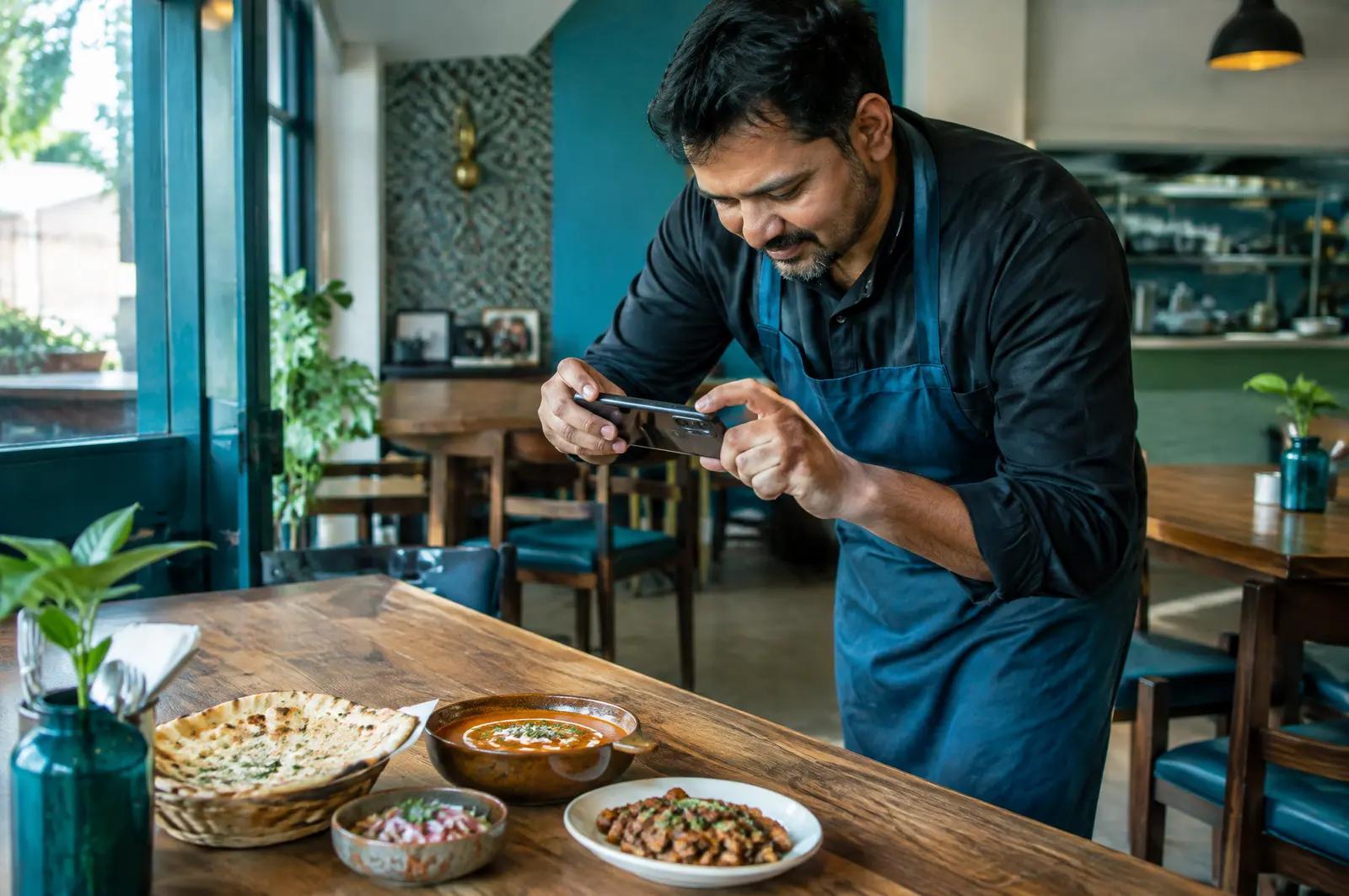
Mohammed Ali Road, Bhendi Bazaar and Mahim run late into the night. Enter Ramzan special hours two weeks ahead, post the iftar and late menu a week out, and photograph the counter after dark for first-time visitors.
MonsoonJun–Sep
Walk-ins fall on heavy-rain days. Keep short “open today” posts ready, keep delivery and takeaway status accurate, and use the quieter evenings to answer old reviews and add photographs of the room.
GaneshotsavAug–Sep
Modak orders, late pandal crowds and immersion processions that block roads. Post modak pre-order details a week ahead and enter special hours for immersion days when your street closes.
NavratriSep–Oct
Gujarati suburbs such as Ghatkopar, Borivali and Kandivali look for farali fasting food and late dinners after dandiya. Publish a named farali menu two weeks ahead and extend evening hours if you can staff them.
Christmas and New YearDec
New Year’s Eve fills Bandra, Lower Parel and Colaba weeks in advance. Put the set menu, booking route and closing time live by early December, then post the full room afterwards.
Measuring your reach across Mumbai
In short: Scan a 9×9 grid over 2 km around your location to see where you appear in the local pack and where a competitor beats you.
Example scan, Mumbai
Example9×9 grid, 2 km radius, points about 500 m apart
Mumbai restaurants compete in tight pockets, so 2 km at 9×9 puts points about half a kilometre apart. Centre it on the restaurant, scan a dish keyword such as misal as well as the cuisine, and look for visibility stopping at the railway line or a main road.
In the top three at 19 of 80 points
- Top 3, the local pack19 points
- Ranks 4 to 1027 points
- Ranks 11 to 3012 points
- Ranks 31 to 10012 points
- Not in the results10 points
- Your business, at the centre of the scan
Illustration. A real Web Sarathi scan plots your actual Google Maps position at every point, with the businesses ranking above you.
Find out which streets you are actually invisible on
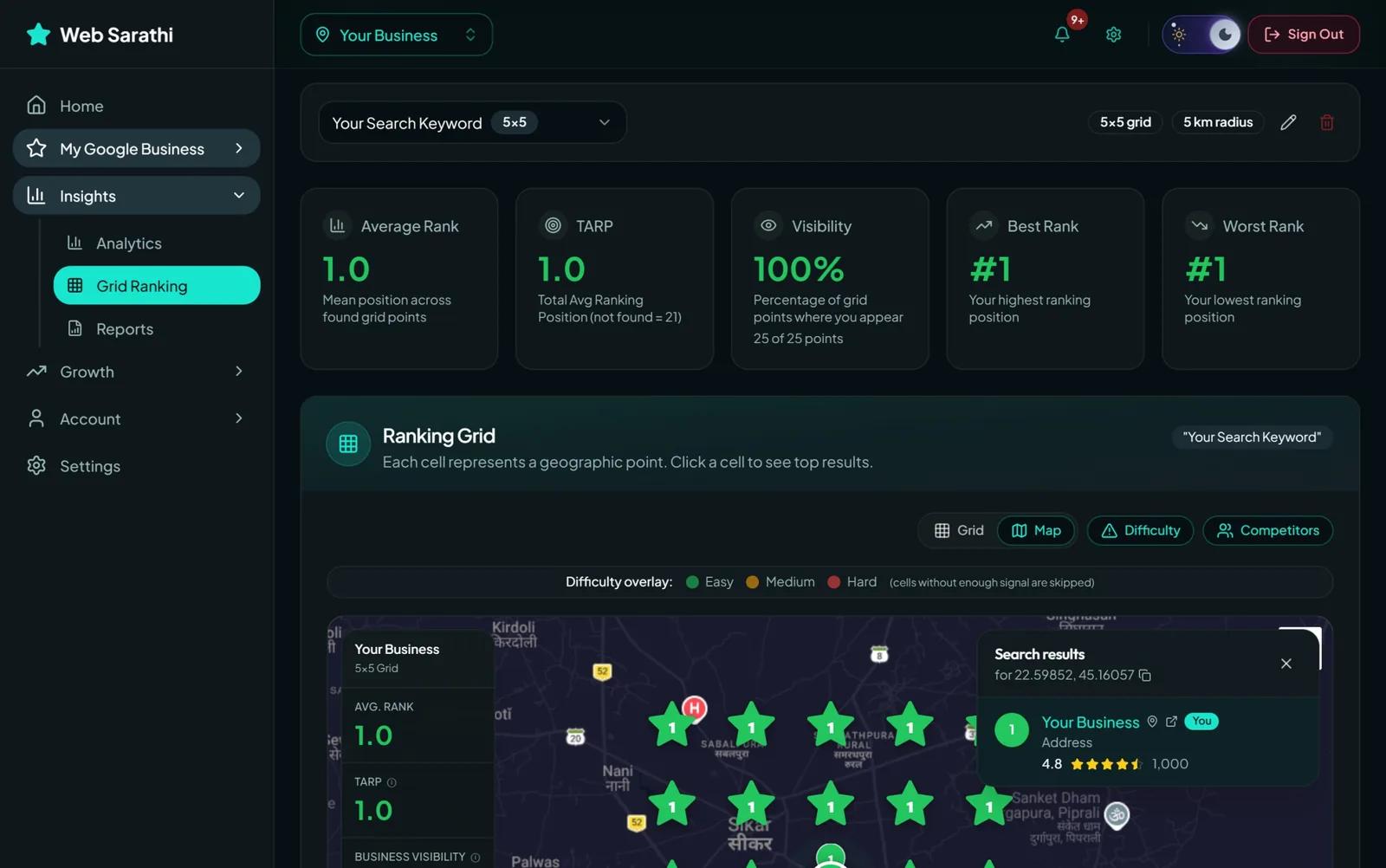
Searching from behind your own counter tells you nothing. Grid ranking measures your Maps position from dozens of points around the restaurant and returns a heat map of your real catchment.
- See how far your visibility actually reaches, street by street
- Track a dish or cuisine keyword over weeks instead of guessing
- Compare honestly against the neighbour you assume is beating you
The restaurant playbook behind this page
In short: Everything on this page applies the national Restaurant SEO guide to Mumbai. These are its core rules.
Mumbai at a glance
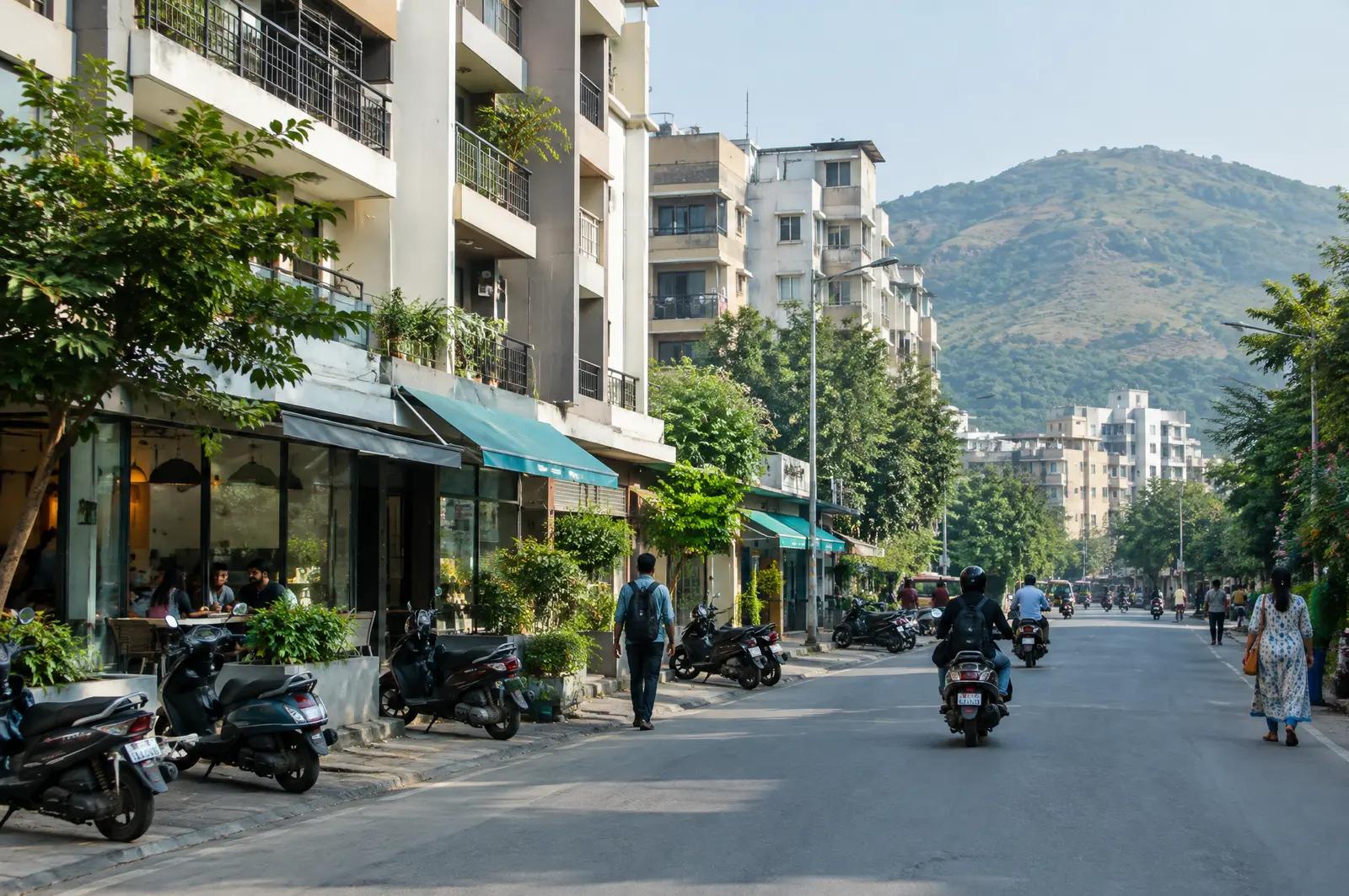
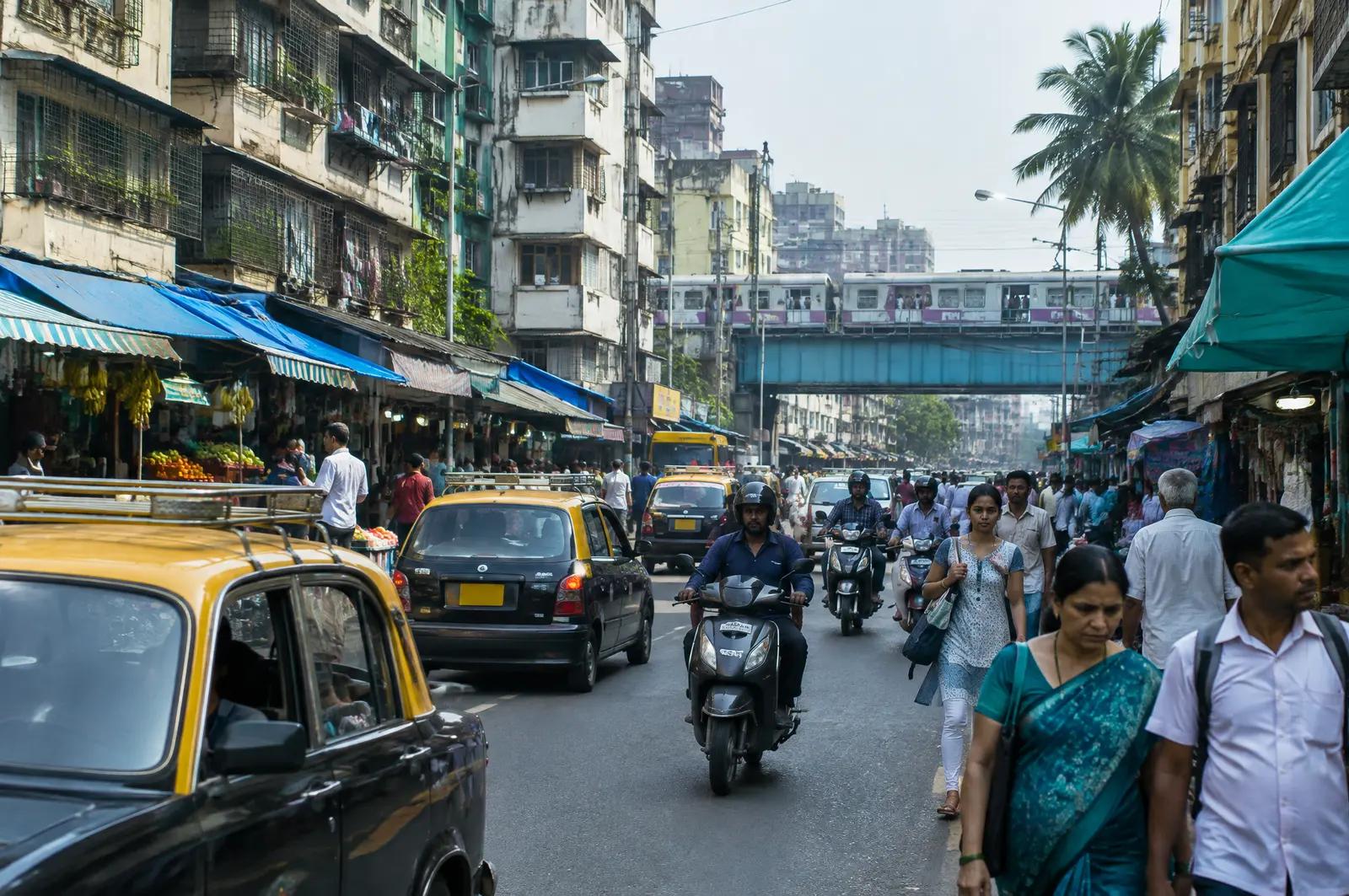
Mumbai’s local economy runs on density. Offices, wholesale markets, restaurants, clinics and service businesses are packed into a narrow island city and a long chain of suburbs, and each neighbourhood behaves like a town of its own. South Mumbai mixes old trading districts with high-end retail and dining; Lower Parel and Worli have turned former mill land into offices and restaurants; Bandra and Andheri draw a younger crowd for cafés, salons and fitness; and the eastern suburbs from Kurla to Mulund are dense residential markets where everyday services compete street by street.
Most people move along the Western, Central and Harbour rail lines, so customers rarely travel far for routine needs and tend to think in terms of their own station. A “near me” search in Andheri West returns a very different set of businesses from one in Ghatkopar, even though the two are not far apart on a map. Searchers often type a locality or station name instead of the city, so a profile that names its neighbourhood clearly is easier to match to those queries. Thane, Navi Mumbai and Mira-Bhayandar behave as separate markets.
Travel along a rail line is easy but crossing east–west between suburbs is slow, so most customers stick to businesses within a station or two of home or work.
Mumbai · 5 zones · 32 localities
South Mumbai
- Colaba
- Fort
- Churchgate
- Marine Lines
- Girgaon
- Malabar Hill
- Tardeo
Central Mumbai
- Dadar
- Parel
- Lower Parel
- Worli
- Prabhadevi
- Matunga
- Sion
Western Suburbs
- Bandra
- Khar
- Santacruz
- Vile Parle
- Juhu
- Andheri
- Goregaon
North Mumbai
- Malad
- Kandivali
- Borivali
- Dahisar
Eastern Suburbs
- Kurla
- Chembur
- Ghatkopar
- Vikhroli
- Powai
- Bhandup
- Mulund
Searched alongside the city
- Thane
- Navi Mumbai
- Mira-Bhayandar
- Vasai-Virar
- Kalyan-Dombivli
Restaurant SEO in Mumbai: questions owners ask
We serve until 1 am. Why do late-night diners not find us on Maps?
Most likely because your profile hours say you are shut. Google removes restaurants it believes are closed from open-now results rather than ranking them lower, so a closing time entered years ago hides you at your busiest hour. Check the hours for every day, Friday and Saturday especially, add special hours for exceptions, and state your last-order time in the description.
Should we list our Malvani dishes by name or just call ourselves a seafood restaurant?
By name. Someone typing bombil fry, sol kadhi or surmai thali has already decided what they want, and only a profile that names the dish can match that search. Add dish entries with prices, keep the category accurate, and mention the dishes in posts. It also separates you from the many neighbours who share your category and nothing else.
Ganpati processions close our road for a day. How should the profile handle it?
Enter special hours for the immersion days as soon as you know the route, not on the morning itself. If you stay open with restricted access, say so in a post and name the entrance or landmark that stays reachable. Diners who meet a blocked road and a closed shutter write the one-star reviews that outlast the festival.
Most of our Thane orders come through the apps. Is Google worth the effort?
Yes, for the dine-in and takeaway share. The families in the Ghodbunder Road complexes who drive out for Sunday lunch are exactly the full-margin covers Google can send you. Make dine-in obvious, photograph the room with families in it, fill parking and family-friendly attributes, and ask diners at the bill for a Google review. The app rating does nothing on Maps.
Which areas of Mumbai matter most for a restaurant business?
Start with Mohammed Ali Road and Bhendi Bazaar, Dadar and Shivaji Park and Fort and Kala Ghoda. In Mohammed Ali Road and Bhendi Bazaar: Ramzan nights draw crowds for malpua, nalli nihari and kebabs long after midnight, so special hours, a halal attribute and fresh photographs of the frontage at night decide who first-time visitors find. Check your Google Maps position in each area separately, because ranking in one does not carry over to the next.
How do people in Mumbai search for a restaurant on Google?
They name the area as well as the service, in Marathi, Hindi and English. Typical searches include “dadar madhe misal pav” and “malvani jevan andheri east”. To win “dadar madhe misal pav”, your profile has to show misal named as a dish with its price, the real opening time, Marathi replies.
When is the busiest season for restaurant businesses in Mumbai?
Demand in Mumbai moves with Ramzan (Feb–Mar), Monsoon (Jun–Sep) and Ganeshotsav (Aug–Sep). Mohammed Ali Road, Bhendi Bazaar and Mahim run late into the night. Enter Ramzan special hours two weeks ahead, post the iftar and late menu a week out, and photograph the counter after dark for first-time visitors.
How should a restaurant business in Mumbai measure its Google Maps ranking?
Scan a 9×9 grid over 2 km around your location rather than searching from your own premises. Mumbai restaurants compete in tight pockets, so 2 km at 9×9 puts points about half a kilometre apart. Centre it on the restaurant, scan a dish keyword such as misal as well as the cuisine, and look for visibility stopping at the railway line or a main road.
How does Web Sarathi help a restaurant business in Mumbai?
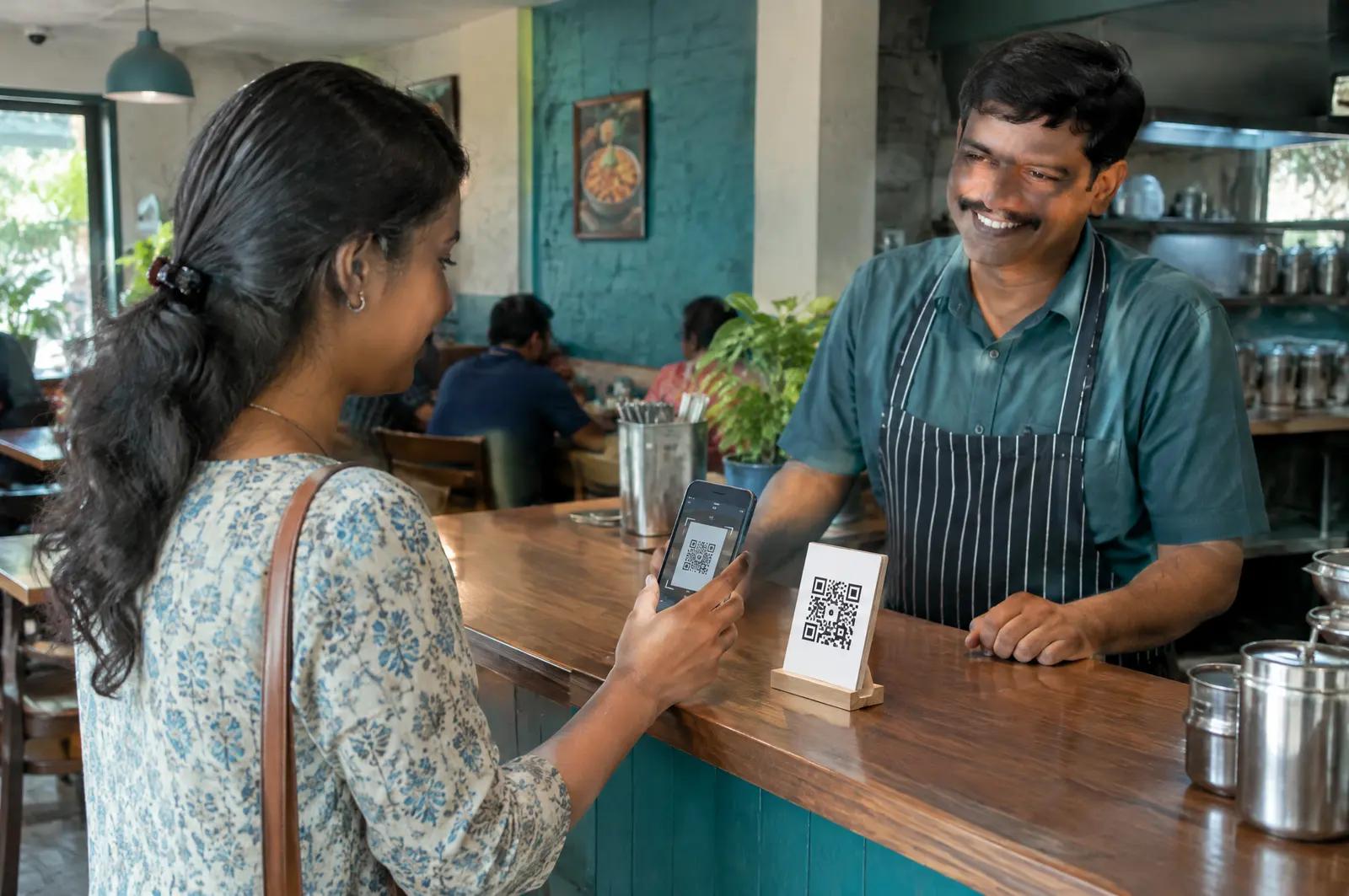
Web Sarathi audits your Google Business Profile on day one, gives you a short daily task list of about ten minutes, collects reviews through a QR code, drafts replies in the reviewer’s own language — including Marathi and Hindi — and maps your ranking across Mumbai so you can see which areas you are winning. You can start with a free audit.