Restaurant SEO · Agra

Restaurant SEO in Agra: serving visitors at the gates and locals in the colonies

Agra has two restaurant markets a few kilometres apart that almost never overlap. Around the Taj Mahal’s gates in Tajganj and along Fatehabad Road, visitors from across India and abroad choose a meal on their phones within minutes of leaving the monument, often in English. In Kamla Nagar, Sanjay Place, Sadar Bazaar and Dayal Bagh, residents eat the way they always have, searching in Hindi for bedai, chaat and a family dinner.

Written by
Web Sarathi Local SEO Team
Last updated
Updated
Reading time
6 min read
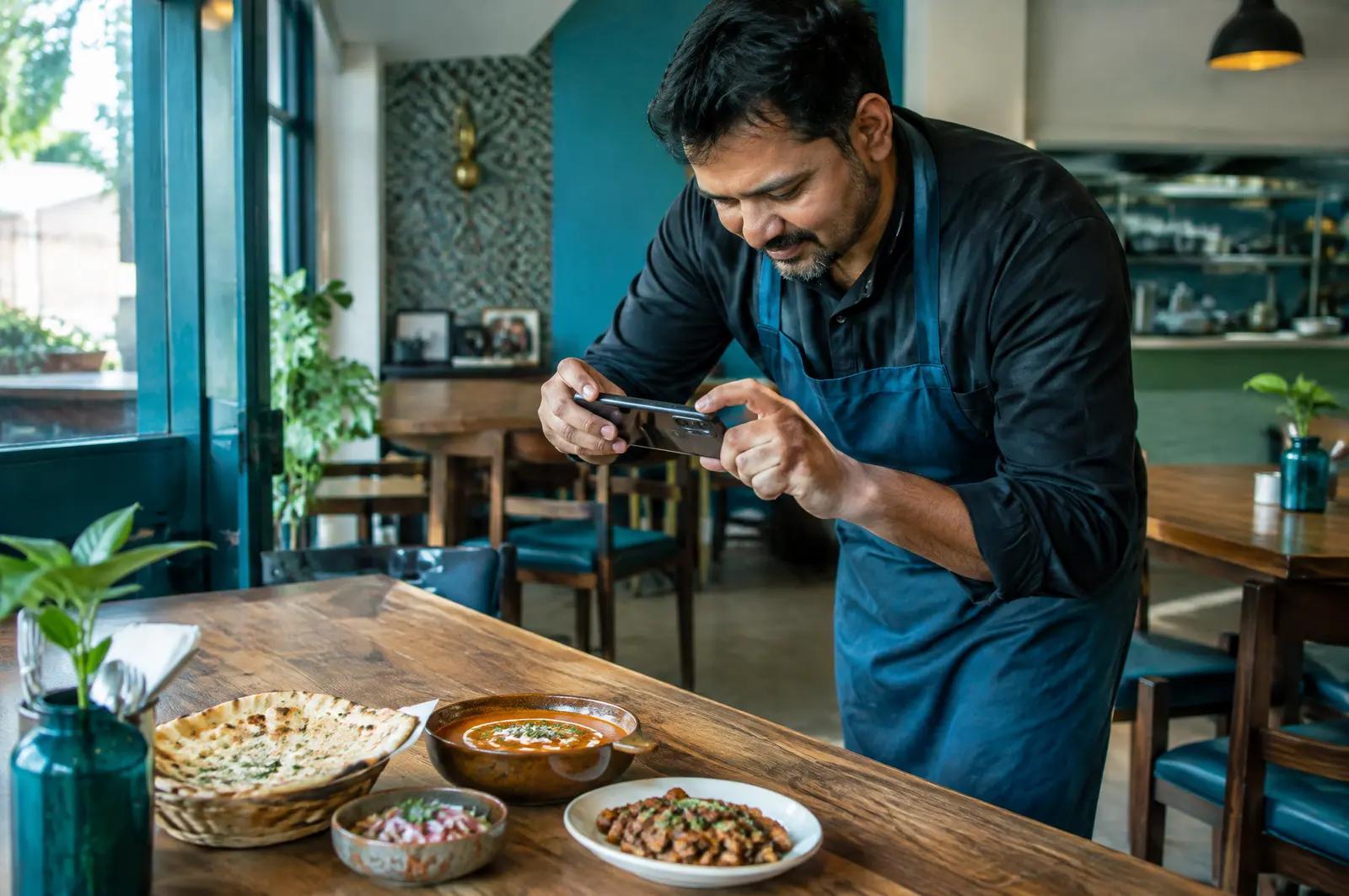
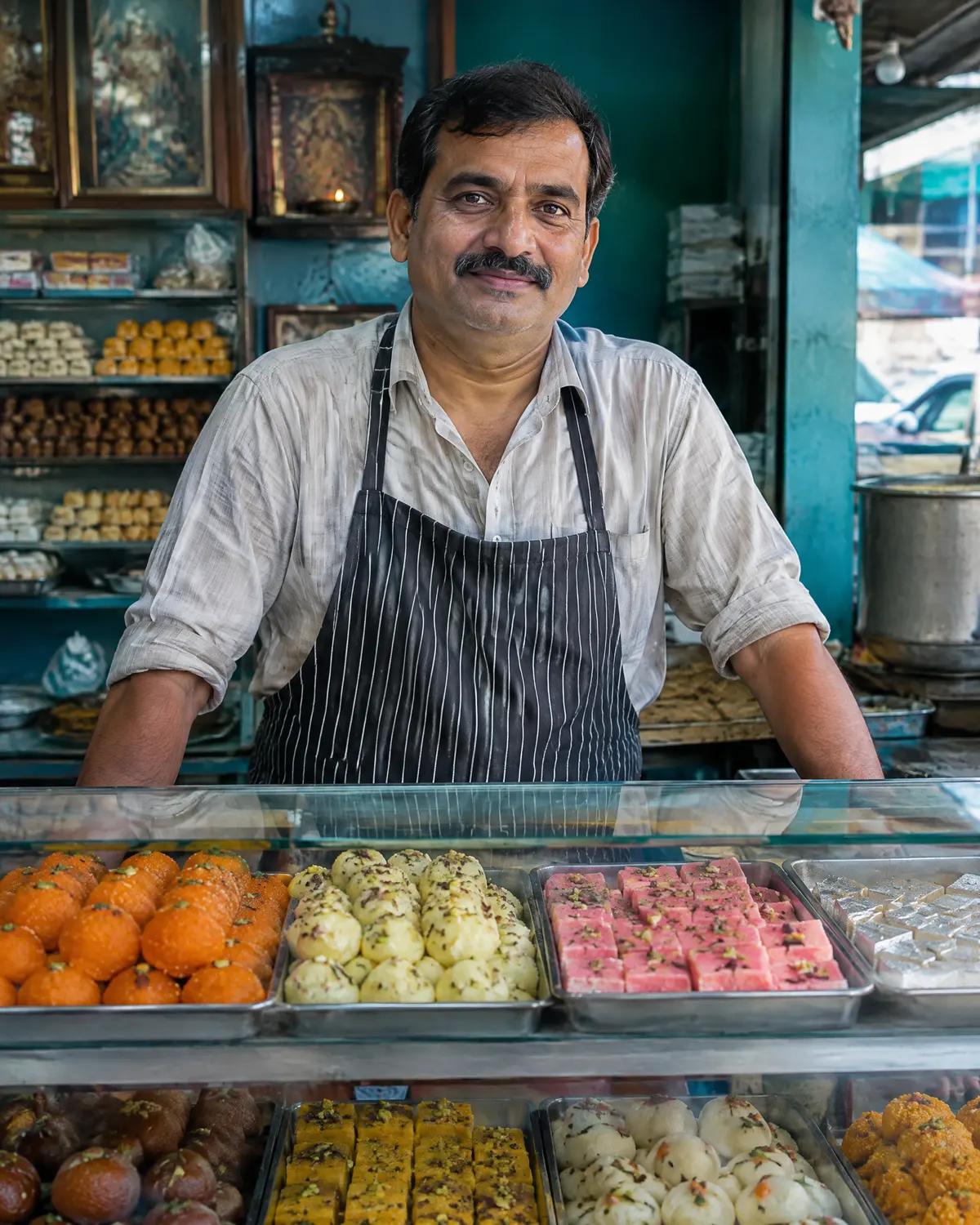
A restaurant business owner at work, looking at the camera
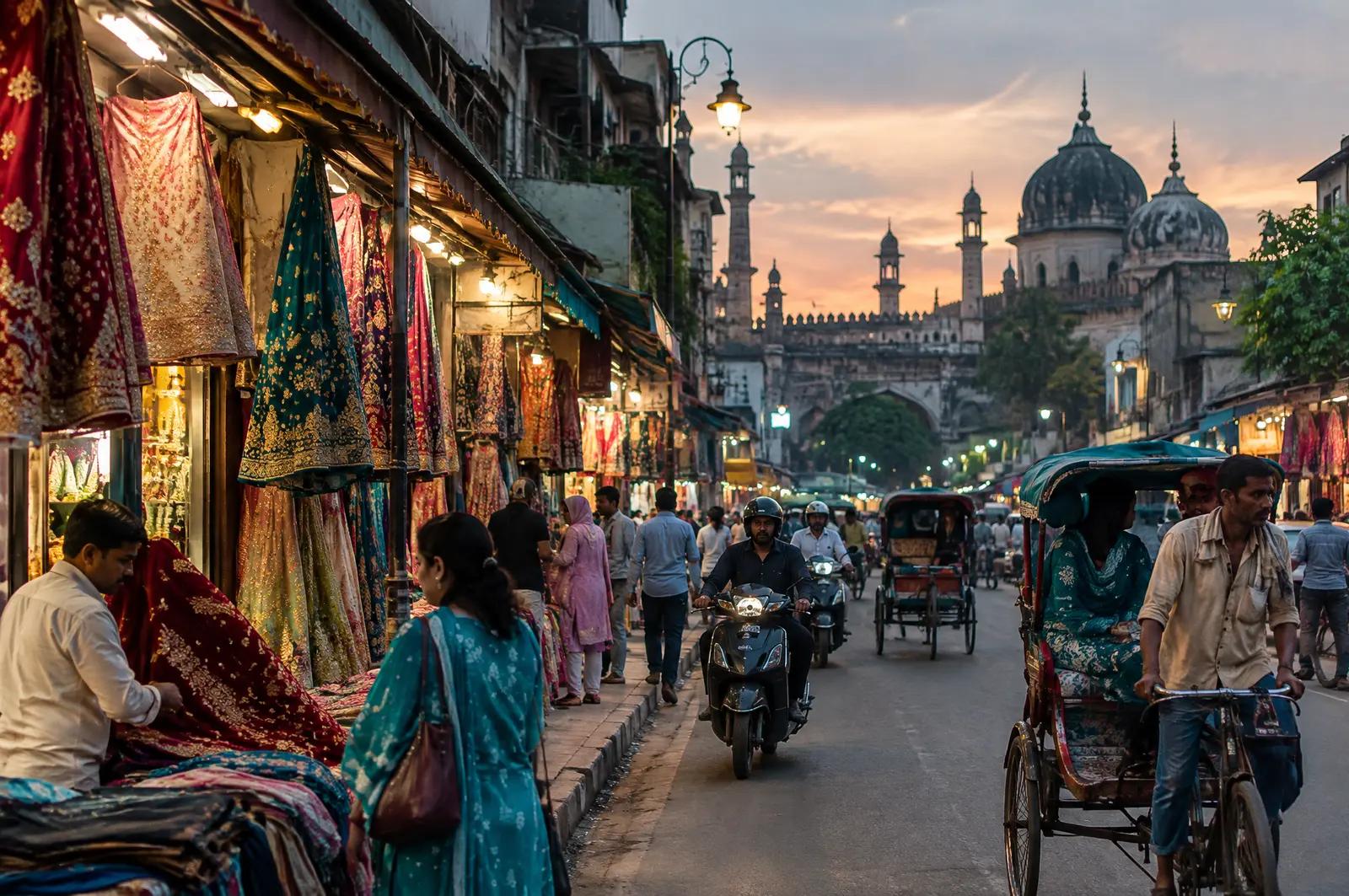
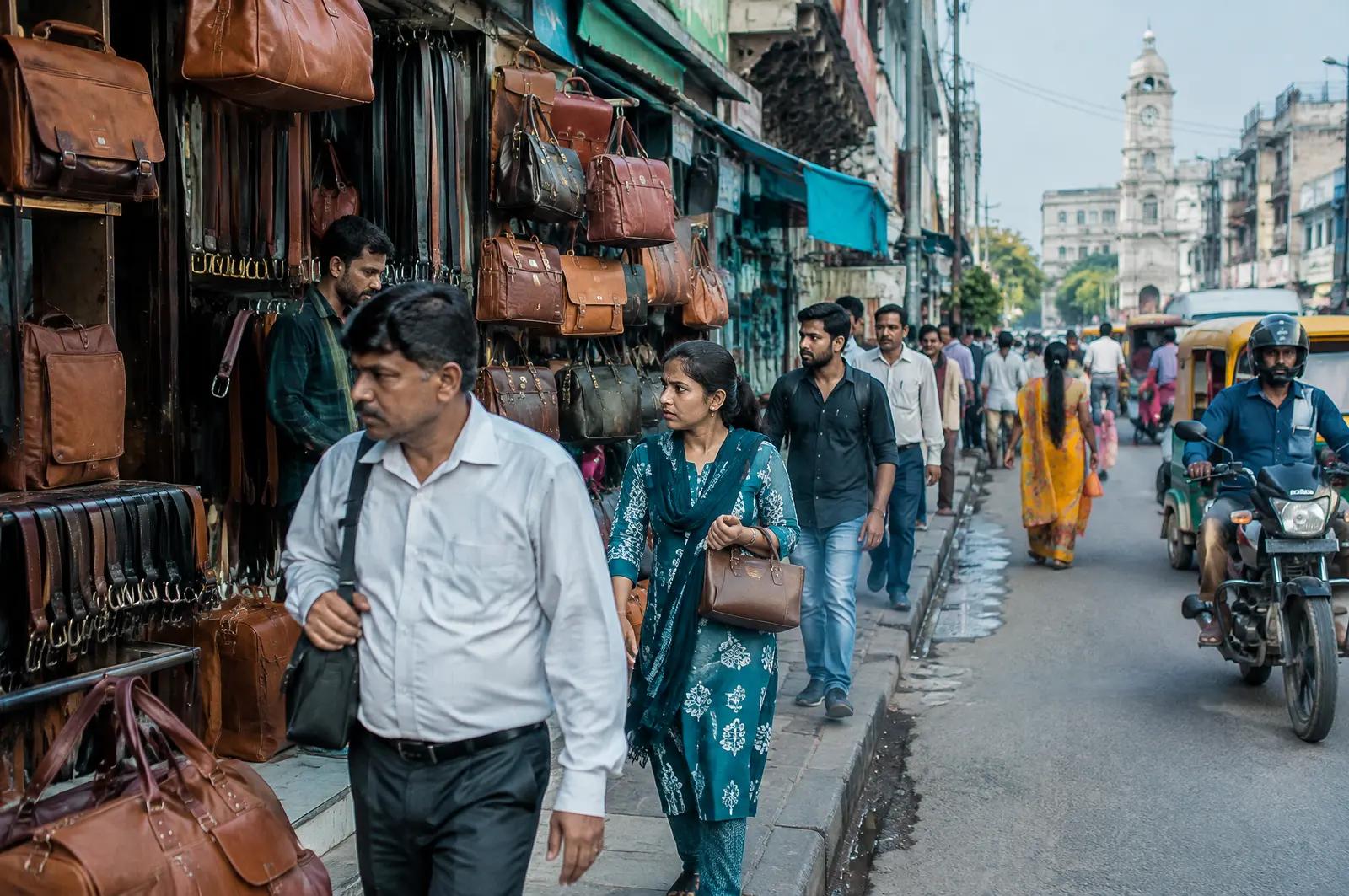
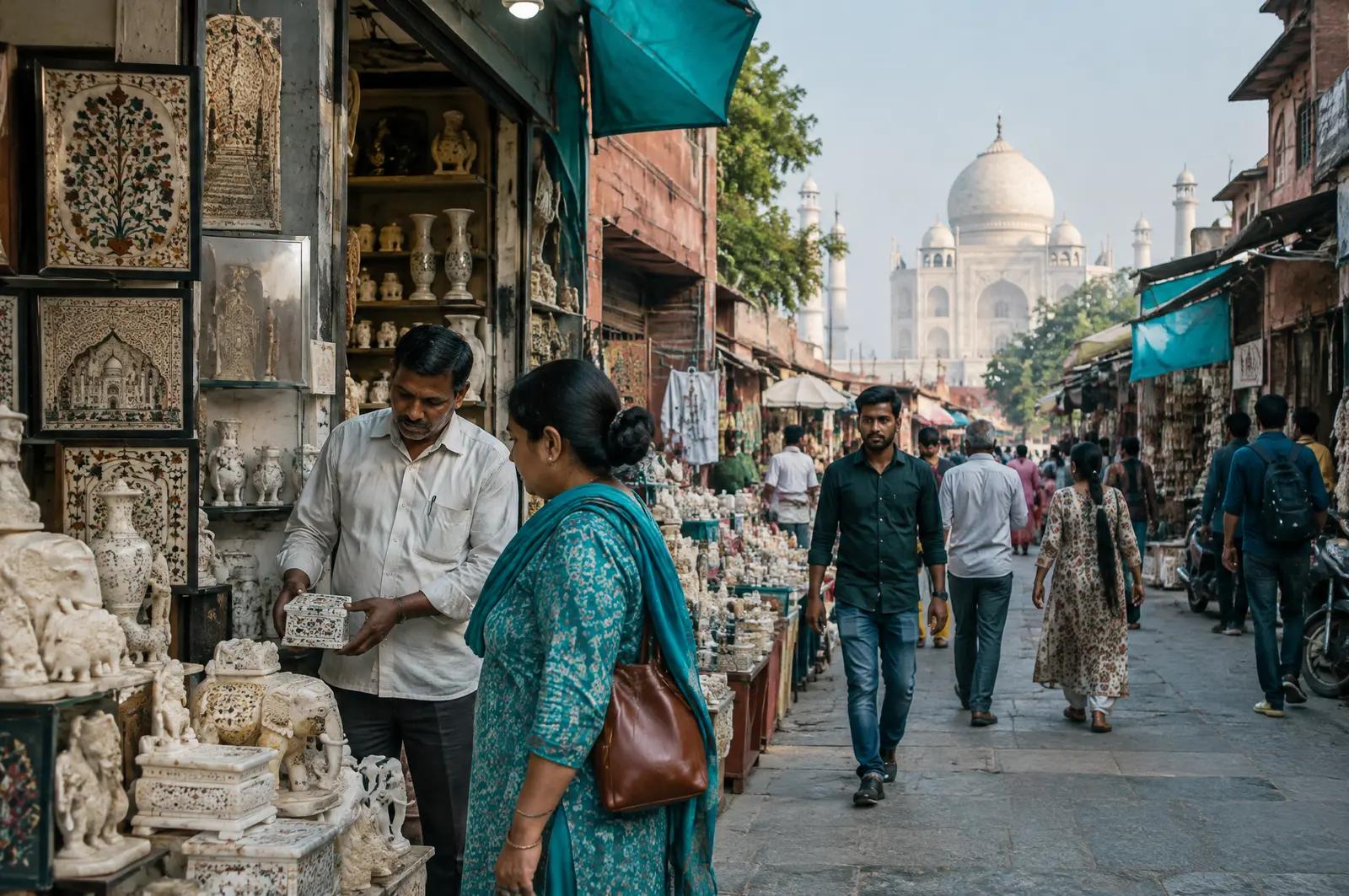
A commercial street in Agra, Uttar Pradesh, with local shops and traffic

Restaurant SEO · local report

Agra

Uttar Pradesh

Each market rewards different things. Visitors judge by photographs, the view, hygiene and whether a place is open after their visit; residents judge by taste, price and reviews from people they might know. Most Agra restaurants mainly serve one of the two. A profile written clearly for its real diners beats one trying to look like a tourist rooftop and a neighbourhood favourite at once.

Search languages
Hindi · English
Areas covered below
7 hotspots · 5 zones
Recommended scan
9×9 · 2 km
Key local dates
Taj Mahotsav · Holi · Summer

Restaurant SEO in Agra: the short version

  1. If you advertise a Taj view, photograph it honestly from your actual tables; disappointed visitors write the reviews that stay at the top.

  2. The Taj Mahal is closed to visitors on Fridays, so plan Friday hours and posts around thinner tourist footfall in Tajganj.

  3. Residents search bedai, jalebi and chaat by name in Hindi; list the dishes with prices and your true early-morning opening time.

  4. Reply to visitors’ reviews in clear English and to residents’ in Hindi; the next diner of each kind reads the replies meant for them.

Where restaurant demand concentrates in Agra

In short: In Agra, the areas that matter most for restaurant businesses are Tajganj and the East and West Gates, Fatehabad Road, Sadar Bazaar and 4 more below. Rank in each one separately; a single search from your own counter tells you nothing about them.

Agra · 7 areas to check one by one

  1. Tajganj and the East and West Gates

    Visitors leaving the monument choose a meal within walking distance; rooftop photographs, hygiene, English replies and hours that cover the late-afternoon visit decide most choices here.

  2. Fatehabad Road

    The hotel belt’s restaurants serve tour groups, families and foreign visitors in the evening; a booking route, parking for coaches and cars, and photographs of the dining room at night carry the decision.

  3. Sadar Bazaar

    The cantonment market draws residents and visitors for chaat, sweets and evening dining; dishes named with prices, evening hours and a photograph of the lane help diners pick one counter among many.

  4. Sanjay Place and Hari Parvat

    The commercial centre’s offices fill lunch tables on weekdays; a separate lunch window, quick dishes priced and an entrance photograph matter more than ambience.

  5. Kamla Nagar

    A large residential market where families eat out at weekends and celebrate birthdays; family seating, Sunday hours and Hindi replies win over tourist-style rooftop photographs.

  6. Belanganj, Kinari Bazaar and Rawatpara

    The old city’s breakfast lanes for bedai, jalebi and kachori, and its sweet shops for petha; early opening, dish names and directions through the lanes decide whether visitors find the counter.

  7. Dayal Bagh and Sikandra

    North Agra’s colonies and the road to Akbar’s Tomb mix residents and day visitors; vegetarian attributes, parking and accurate daytime hours suit both.

How people in Agra search for a restaurant

In short: People in Agra search in Hindi, English, and they name the area, not just the service. Your profile has to match the words they actually type.
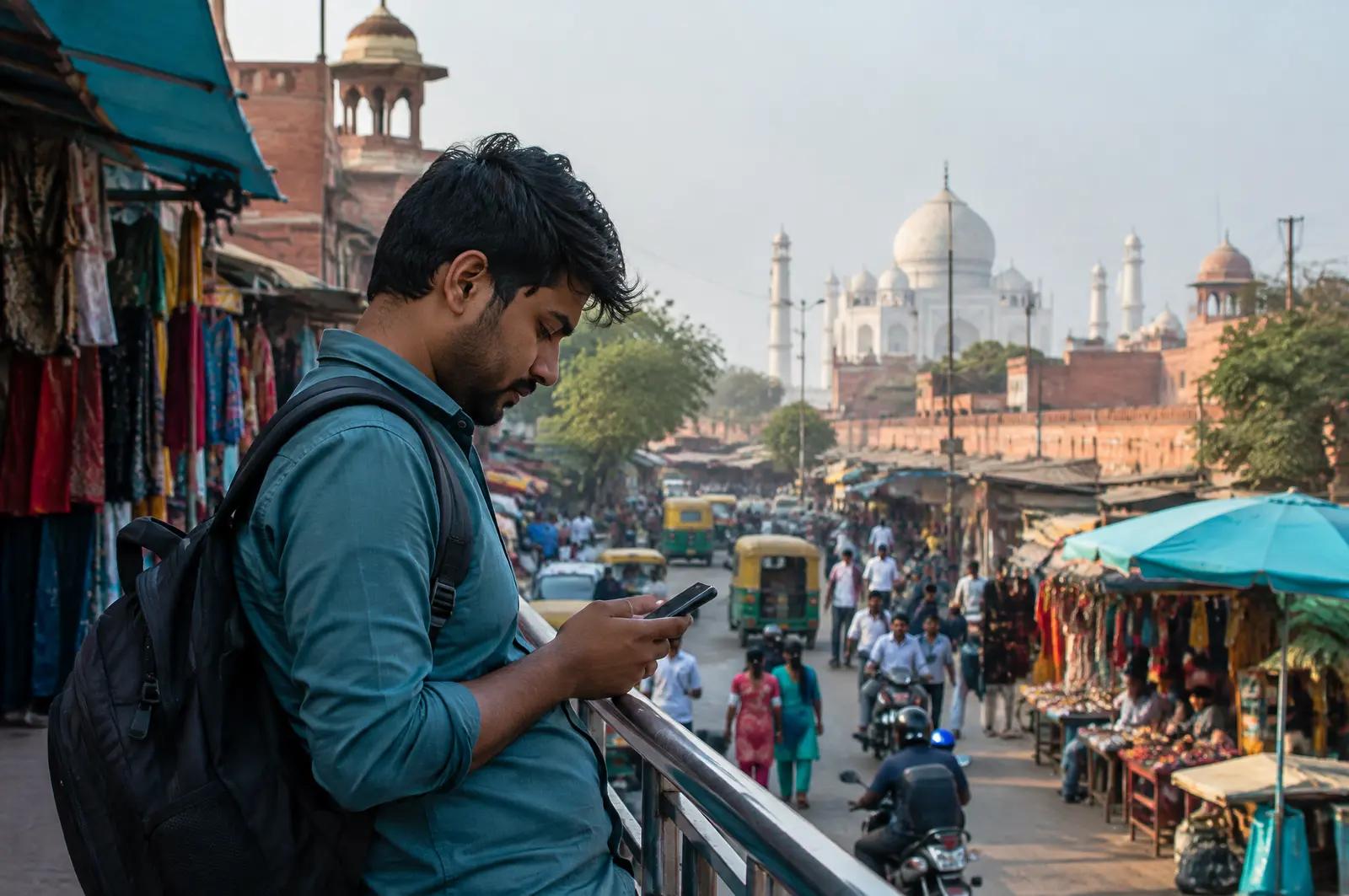
A customer in Agra looking up a nearby business on a phone
  • restaurant with taj mahal view
    What they mean
    A visitor wanting a meal with the monument in sight
    What your profile must show
    Honest photographs of the view from your tables, rooftop hours, prices
  • bedai jalebi subah kahan milegi
    What they mean
    Hindi: “where do I get bedai and jalebi in the morning?”
    What your profile must show
    The early opening time, bedai and jalebi named with prices
  • taj mahal ke paas shudh shakahari khana
    What they mean
    Hindi: “pure vegetarian food near the Taj Mahal”
    What your profile must show
    The vegetarian attribute, distance from the gate, hours
  • sadar bazaar mein chaat
    What they mean
    Hindi: “chaat in Sadar Bazaar”
    What your profile must show
    Chaat items named with prices, evening hours, a frontage photograph
  • kamla nagar birthday party restaurant
    What they mean
    A family booking a celebration for a child
    What your profile must show
    Party space photographed, a booking phone, the family-friendly attribute
  • dinner near fatehabad road hotels
    What they mean
    A visitor at a nearby hotel looking for an evening meal
    What your profile must show
    Dinner hours, walking distance from the hotel belt, English replies
  • mughlai food agra
    What they mean
    Visitors expecting the city’s Mughal-era cooking
    What your profile must show
    Mughlai dishes named precisely with prices, photographs of the plates

What makes Agra different

In short: What changes in Agra: The Friday gap · Views must be honest · Two seasons, two crowds.
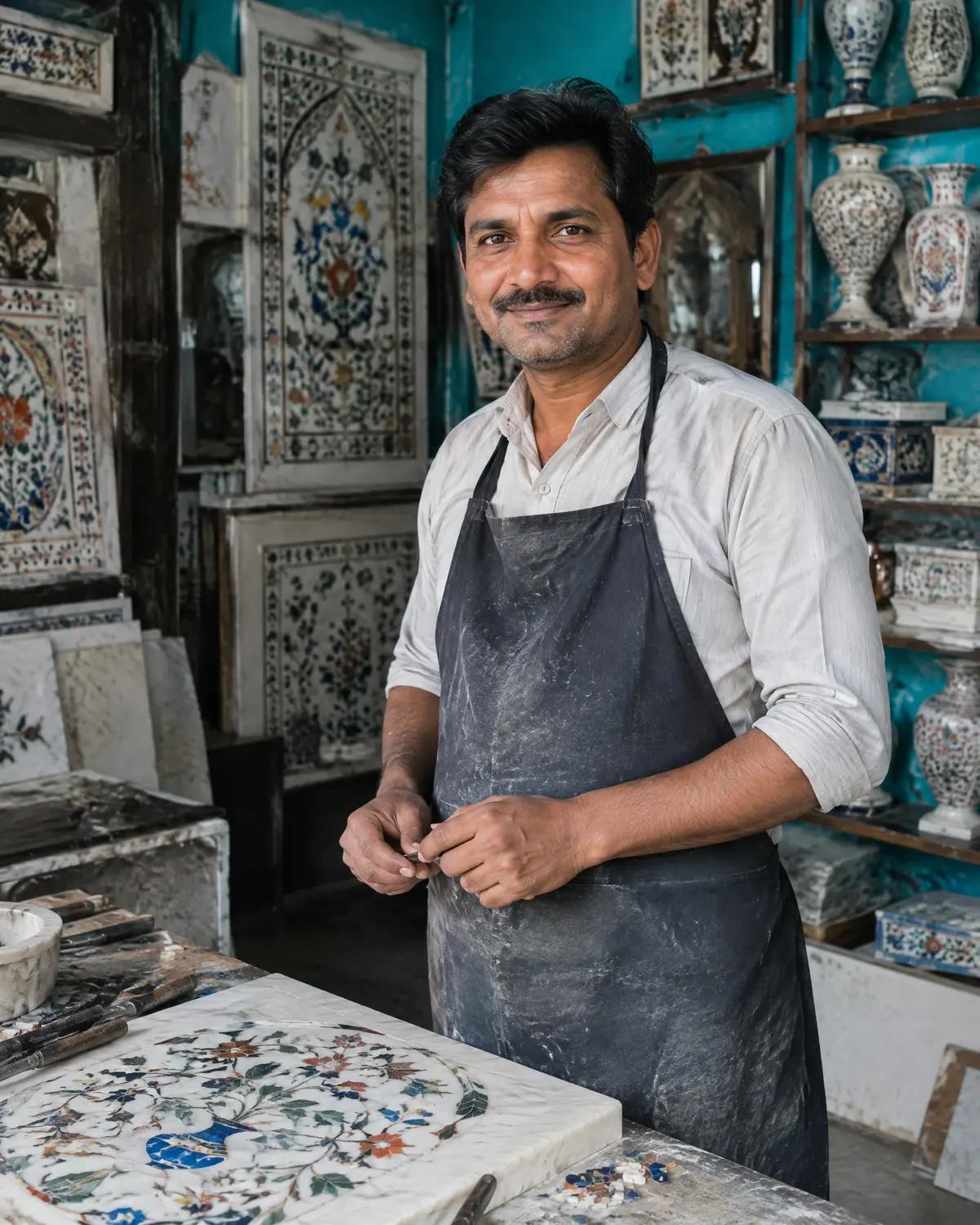
A local business owner in their shop in Agra

The Friday gap

The Taj Mahal closes to general visitors every Friday, and Tajganj’s footfall drops with it. Restaurants that depend on the monument should know which days they really earn on. Keep Friday hours accurate, use Thursday to post weekend plans for visitors, and turn quieter Fridays towards residents with a local offer. Agra Fort and Fatehpur Sikri stay open, which keeps some tour groups moving.

Views must be honest

Many restaurants near the gates promise a Taj view. Visitors check by looking at diners’ photographs, and a partial view past a water tank, described as a panorama, earns pointed reviews in several languages. Photograph what diners actually see from your best and your ordinary tables, say which floor has the view, and let the room’s other merits carry the rest.

Two seasons, two crowds

Visitor numbers peak from October to March, when Agra is cool and the wedding season also fills the banquet halls. In the summer heat tourism thins and residents eat out late in the evening. Tourist-facing restaurants should refresh posts and photographs before the autumn rush; resident-facing ones should strengthen evening hours and cold drinks for summer.

The Agra restaurant calendar

In short: Demand in Agra moves with Taj Mahotsav (Feb), Holi (Mar), Summer (Apr–Jun). Prepare your profile two to three weeks before each one.
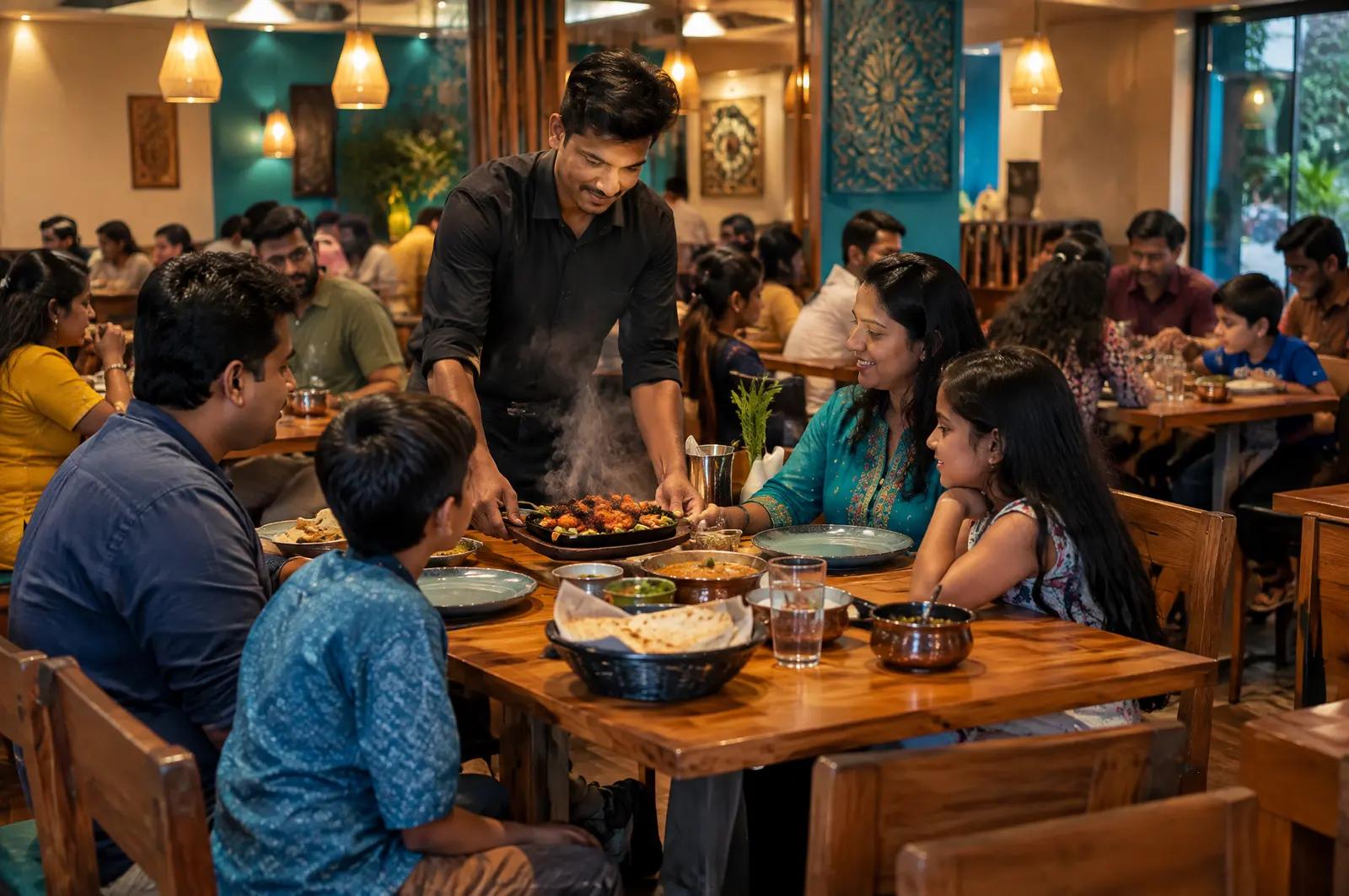
A busy family restaurant dining room in the evening, a waiter serving sizzling platters
  1. Taj MahotsavFeb

    The crafts and culture festival at Shilpgram brings visitors to the eastern side of the city for ten days. Post dinner hours and directions from the venue, and expect group bookings near Fatehabad Road.

  2. HoliMar

    Braj Holi brings visitors through Agra on their way to Mathura and Vrindavan, while residents close for the morning. Set the morning closure as special hours early, and mention gujiya and thandai in a post if they are on your menu.

  3. SummerApr–Jun

    Tourist numbers fall in the heat and residents eat late. Extend evening hours if you can, name cold drinks and lassi on the menu, and use quiet afternoons to refresh photographs.

  4. JanmashtamiAug–Sep

    Families fast through the day, and many visitors pass through on the way to Mathura. Post a vrat menu a week ahead with the dishes named, and enter any change in hours for the day.

  5. Peak visitor season and weddingsOct–Mar

    Visitors arrive in large numbers as the weather cools and wedding dates fill the calendar. Refresh photographs and English replies before October, keep fog-season hours accurate, and answer every review the same day.

Measuring your reach across Agra

In short: Scan a 9×9 grid over 2 km around your location to see where you appear in the local pack and where a competitor beats you.

Example scan, Agra

Example

9×9 grid, 2 km radius, points about 500 m apart

Visitors in Tajganj choose within walking distance, so a 2 km radius at 9×9, about 500 metres between points, shows which gate your visibility favours. Centre it on the restaurant and scan “restaurant near Taj Mahal” as well as your cuisine. A resident-facing restaurant in Kamla Nagar should widen to 4 km instead.

In the top three at 19 of 80 points

  • Top 3, the local pack19 points
  • Ranks 4 to 1027 points
  • Ranks 11 to 3012 points
  • Ranks 31 to 10012 points
  • Not in the results10 points
  • Your business, at the centre of the scan

Illustration. A real Web Sarathi scan plots your actual Google Maps position at every point, with the businesses ranking above you.

Grid ranking

Find out which streets you are actually invisible on

Searching from behind your own counter tells you nothing. Grid ranking measures your Maps position from dozens of points around the restaurant and returns a heat map of your real catchment.

  • See how far your visibility actually reaches, street by street
  • Track a dish or cuisine keyword over weeks instead of guessing
  • Compare honestly against the neighbour you assume is beating you
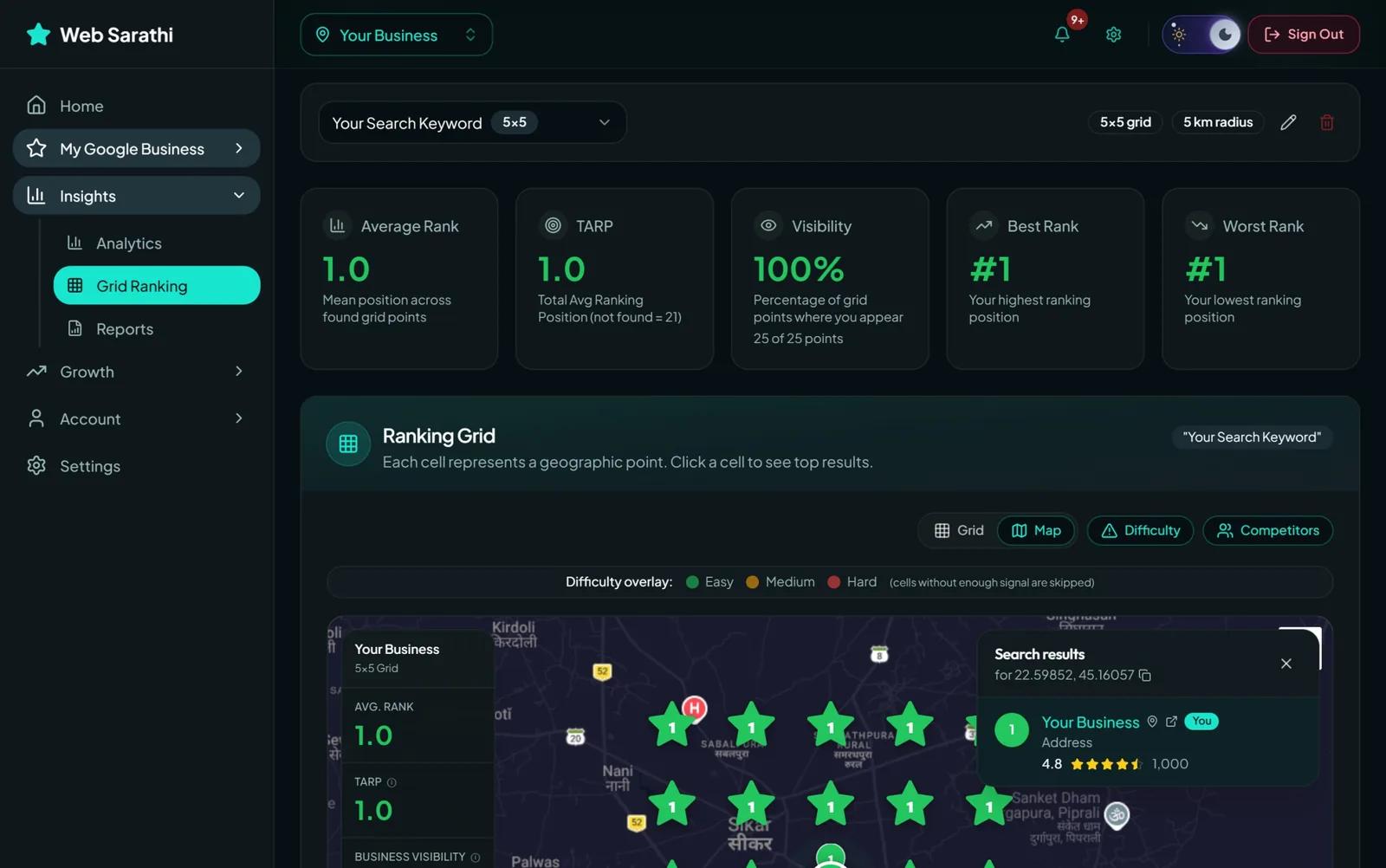
Grid ranking heat map showing Google Maps position across a neighbourhood

The restaurant playbook behind this page

In short: Everything on this page applies the national Restaurant SEO guide to Agra. These are its core rules.
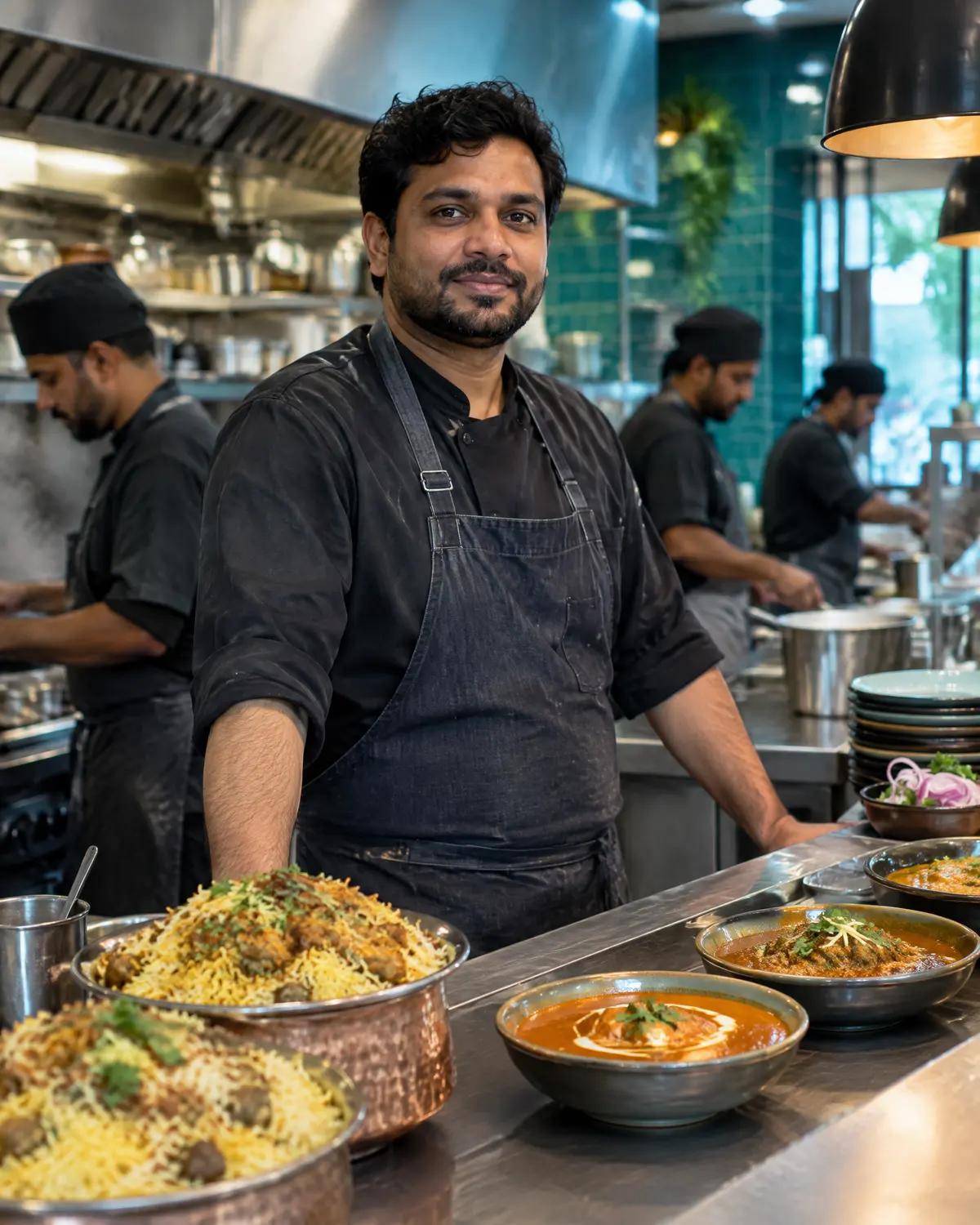
A chef-owner in a dark apron at the pass of a busy open restaurant kitchen
  1. An Indian restaurant’s real competitor is the aggregator app; a diner who walks in from Google Maps pays no commission, while an aggregator order commonly loses a quarter to a third of its value.

  2. Hours work as a filter, not a ranking factor: a restaurant shown as closed is removed from open-now results, so split lunch and dinner windows and enter festival closures as soon as they are decided.

  3. Put dishes, prices and diet attributes on the profile; a search for a specific dish such as thali, kothu parotta or filter coffee cannot match a restaurant that has never named it.

  4. Restaurants have a review-handling problem, not a collection problem: answer every review within hours, in the language it was written in, for the next fifty readers rather than the reviewer.

  5. A delivery-only brand can hold its own Google profile only with distinct branded packaging and its own website, and it must hide the kitchen address and set service areas instead.

Agra at a glance

Agra’s economy combines tourism with long-established industries. The Taj Mahal, Agra Fort and Fatehpur Sikri bring visitors throughout the year, supporting hotels, guides, taxis, restaurants and shops selling marble inlay, leather goods and petha around Tajganj and Fatehabad Road. The city is also a major centre of footwear manufacturing, and the old markets around Kinari Bazaar, Raja Ki Mandi and Belanganj carry wholesale and everyday trade, while Sanjay Place, Kamla Nagar and Sadar Bazaar serve residents for retail, dining and services.

Tourists and residents rarely use the same businesses. Visitors search on mobile, in English and many other languages, around the Taj Mahal’s gates and the hotel belt on Fatehabad Road, while residents of Kamla Nagar, Dayal Bagh or Sikandra shop near home. The Yamuna separates the trans-Yamuna areas from the main city, and its bridges are bottlenecks. Restrictions on polluting industry around the Taj have shaped where factories and workshops sit. Searches and reviews are mostly in Hindi and English, and the winter months bring both peak tourist traffic and the wedding season.

The Yamuna bridges, congestion around the old markets and traffic restrictions near the Taj Mahal mean most residents shop within their own part of Agra.

Agra · 5 zones · 26 localities

Old City and Markets

  • Kinari Bazaar
  • Raja Ki Mandi
  • Belanganj
  • Loha Mandi
  • Rawatpara

Central Agra

  • Sanjay Place
  • Hari Parvat
  • Civil Lines
  • Sadar Bazaar
  • Pratap Pura

Tajganj and Fatehabad Road

  • Tajganj
  • Fatehabad Road
  • Taj Nagari
  • Basai
  • Shamshabad Road

North and West Agra

  • Kamla Nagar
  • Dayal Bagh
  • Sikandra
  • Khandari
  • Bodla
  • Shastripuram
  • Awas Vikas Colony

Trans-Yamuna

  • Trans Yamuna Colony
  • Rambagh
  • Nunhai
  • Foundry Nagar

Searched alongside the city

  • Fatehpur Sikri
  • Etmadpur
  • Shamshabad
  • Kirawali

Restaurant SEO in Agra: questions owners ask

We have a partial Taj view. How should we present it?

Exactly as it is. Photograph the view from the tables that have it, at the time of day most diners see it, and say in the description which floor or corner it is from. Overclaiming a view brings reviews calling it misleading, and those sit at the top for months. A modest, accurate view still sells a table; a disappointed visitor never returns.

Should our Tajganj restaurant reply to foreign visitors in their language?

Reply in the language they wrote in if you can do it accurately; otherwise reply in clear English. A short, specific reply thanking them and naming their dish beats a long translated one full of errors. For Indian visitors writing in Hindi, Bengali or Marathi, reply in that language: it reads as personal and helps the next family from that state.

Most of our diners are locals. Should we still chase Taj searches?

Only if visitors can reach you easily and you want them. Kamla Nagar or Dayal Bagh restaurants will rarely beat Tajganj for near-the-Taj searches, and the attempt dilutes a profile that should speak to residents. Concentrate on the dishes, family seating and prices locals search for, and reply in Hindi. A strong neighbourhood profile fills tables more reliably.

We sell petha alongside our restaurant. Should that be a separate listing?

Only when the petha shop runs as its own business, with a separate counter, its own signboard and its own hours. If the petha is sold from the same counter, add it to the menu, photograph it, and mention it in the description. Two listings for one operation risk both being suspended, and visitors find one clear profile easier to trust anyway.

Which areas of Agra matter most for a restaurant business?

Start with Tajganj and the East and West Gates, Fatehabad Road and Sadar Bazaar. In Tajganj and the East and West Gates: Visitors leaving the monument choose a meal within walking distance; rooftop photographs, hygiene, English replies and hours that cover the late-afternoon visit decide most choices here. Check your Google Maps position in each area separately, because ranking in one does not carry over to the next.

How do people in Agra search for a restaurant on Google?

They name the area as well as the service, in Hindi and English. Typical searches include “restaurant with taj mahal view” and “bedai jalebi subah kahan milegi”. To win “restaurant with taj mahal view”, your profile has to show honest photographs of the view from your tables, rooftop hours, prices.

When is the busiest season for restaurant businesses in Agra?

Demand in Agra moves with Taj Mahotsav (Feb), Holi (Mar) and Summer (Apr–Jun). The crafts and culture festival at Shilpgram brings visitors to the eastern side of the city for ten days. Post dinner hours and directions from the venue, and expect group bookings near Fatehabad Road.

How should a restaurant business in Agra measure its Google Maps ranking?

Scan a 9×9 grid over 2 km around your location rather than searching from your own premises. Visitors in Tajganj choose within walking distance, so a 2 km radius at 9×9, about 500 metres between points, shows which gate your visibility favours. Centre it on the restaurant and scan “restaurant near Taj Mahal” as well as your cuisine. A resident-facing restaurant in Kamla Nagar should widen to 4 km instead.

How does Web Sarathi help a restaurant business in Agra?

Web Sarathi audits your Google Business Profile on day one, gives you a short daily task list of about ten minutes, collects reviews through a QR code, drafts replies in the reviewer’s own language — including Hindi and English — and maps your ranking across Agra so you can see which areas you are winning. You can start with a free audit.
How Web Sarathi helps

Everything above, done in about ten minutes a day

Ranking across Agra comes down to a few things done steadily. Web Sarathi tells you which ones to do today, does the slow parts for you, and maps your position across Agra so you can see it working.

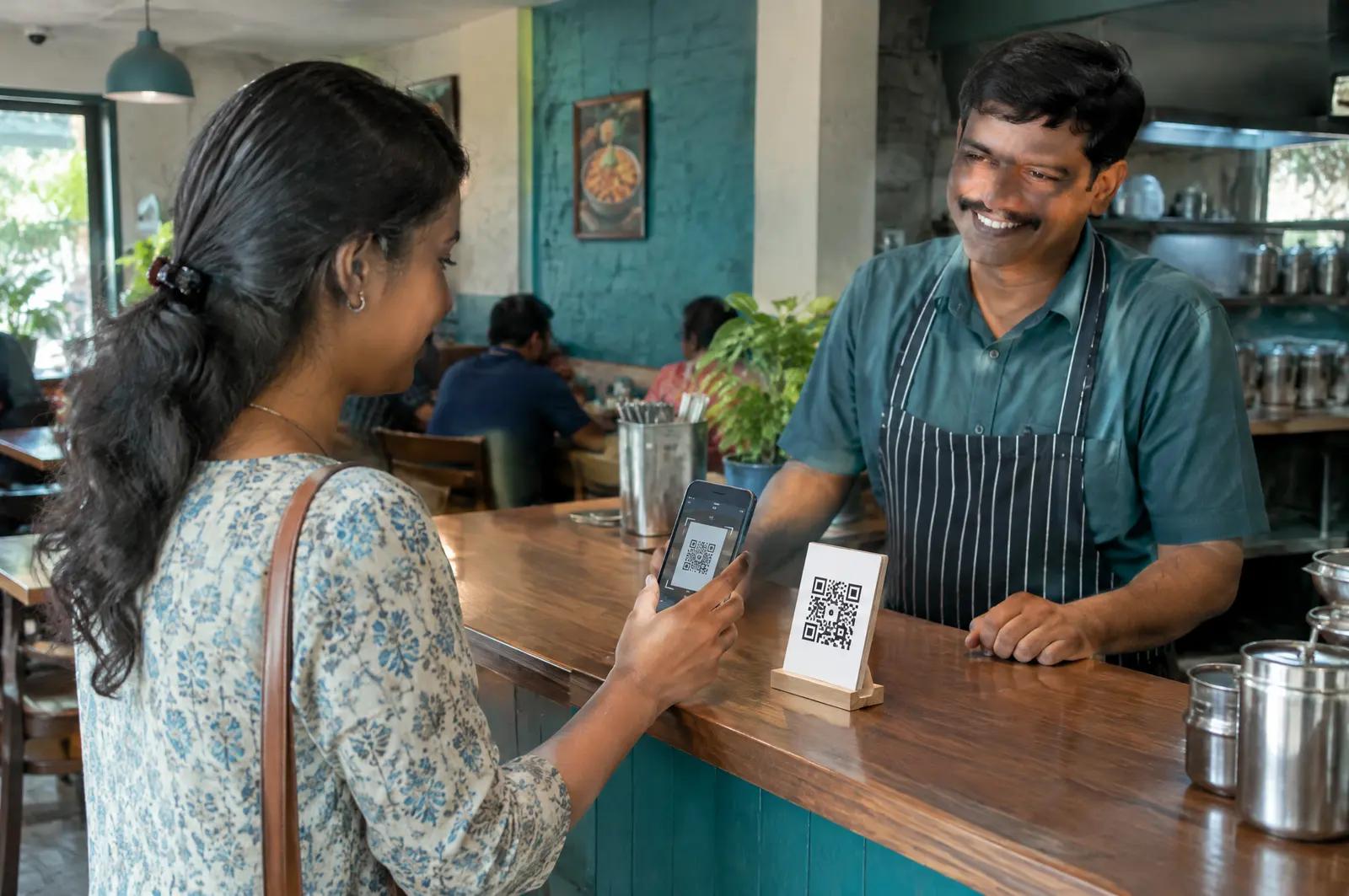
  • A customer scanning the review QR code at a restaurant counterReviews in seconds
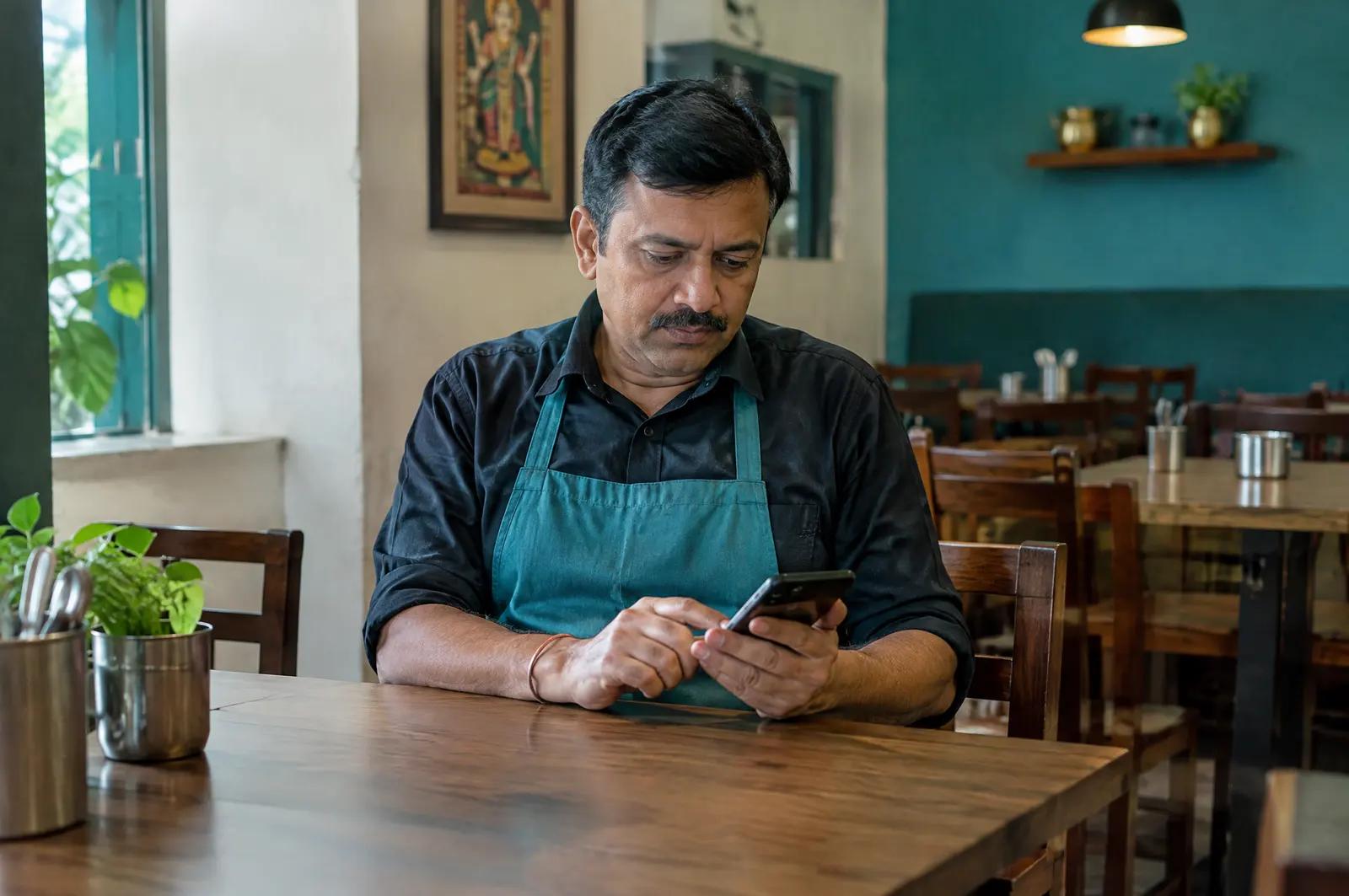
  • A restaurant business owner replying to reviews on a phoneReplies, steadily
  • A restaurant business owner photographing their work for a postReal photos, posted
  1. Audit and score

    Day one: more than 50 checks on your profile and a score out of 100, so you know exactly what is missing.

  2. Ten minutes a day

    A short daily task list — complete the profile first, then photos, posts, reviews and replies, in the right amounts.

  3. Reviews in seconds

    A QR code at the counter. Customers pick a suggested highlight, make it their own and post it from their Google account.

  4. Replies Google rewards

    One-click or automatic replies in the reviewer’s language, paced so the profile never looks automated.

  5. Posts and a live website

    Keyword-aware captions for your real photos, published to Google and to a website that updates itself every night.

  6. Rank map and protection

    Your Google Maps position street by street, the competitors beating you, and an alert when someone edits your profile.

Be one of the three businesses Google shows first.

Start with a free audit of your Google profile: where you rank on a map around your business, the competitors Google shows above you, and what your profile is missing, so you know exactly what to fix first. Then sign up, pick an onboarding slot, and our experts set your profile up with you on Google Meet. After that, about ten minutes a day.

No credit card Expert setup on Google Meet, then your 7-day free trial

Read the Restaurant SEO guide