Restaurant SEO · Delhi

Restaurant SEO in Delhi: getting chosen inside a market full of kitchens

In Delhi the restaurant decision is usually made inside a market. Khan Market, Hauz Khas Village, Rajouri Garden, Kamla Nagar and Connaught Place each pack dozens of kitchens into a few lanes, and the diner standing in the car park is choosing between the listings Google shows, not between Delhi restaurants. Distance is equal for everyone there, so hours, dish names, prices and recent photographs do the separating.

Written by
Web Sarathi Local SEO Team
Last updated
Updated
Reading time
7 min read
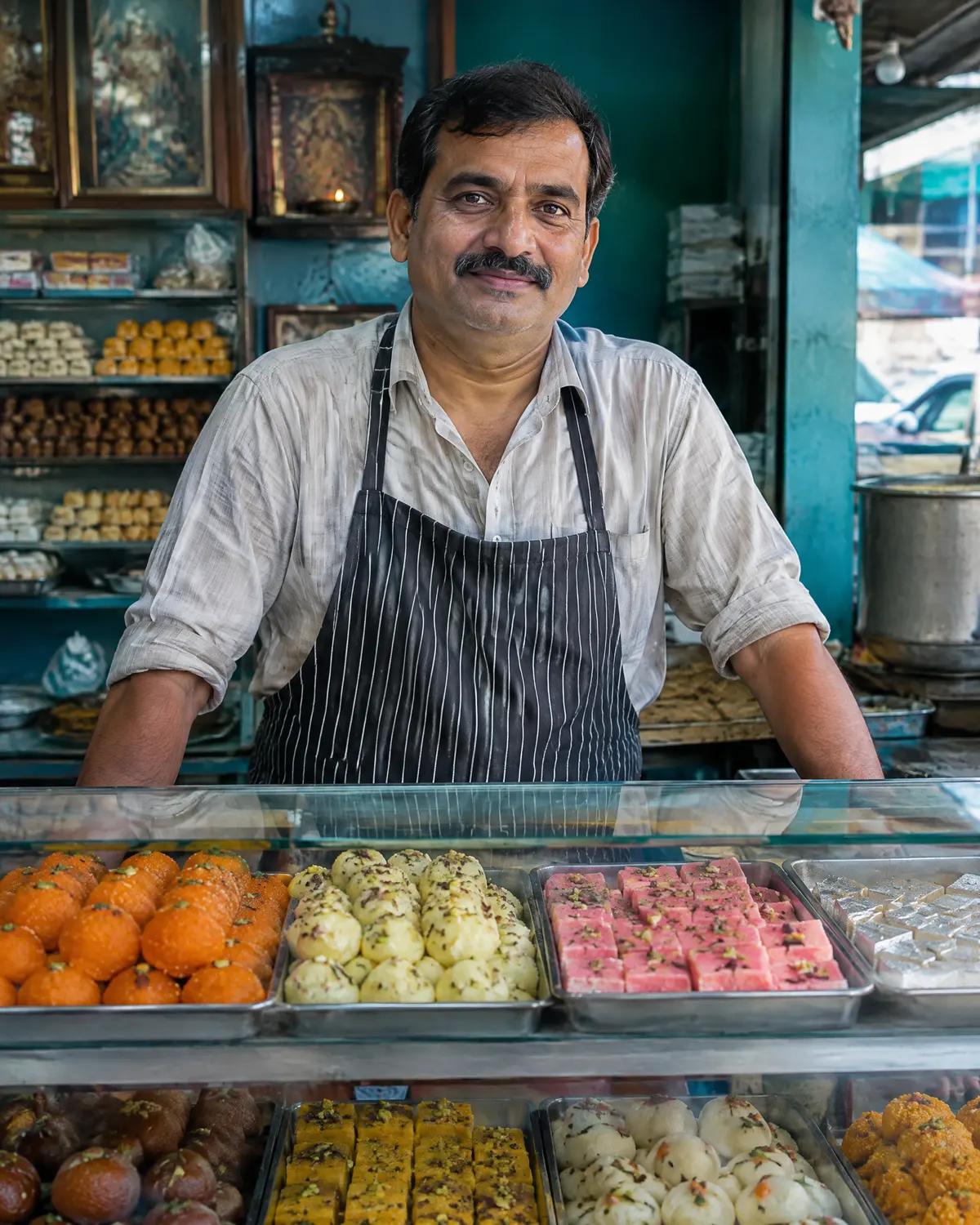
A restaurant business owner at work, looking at the camera
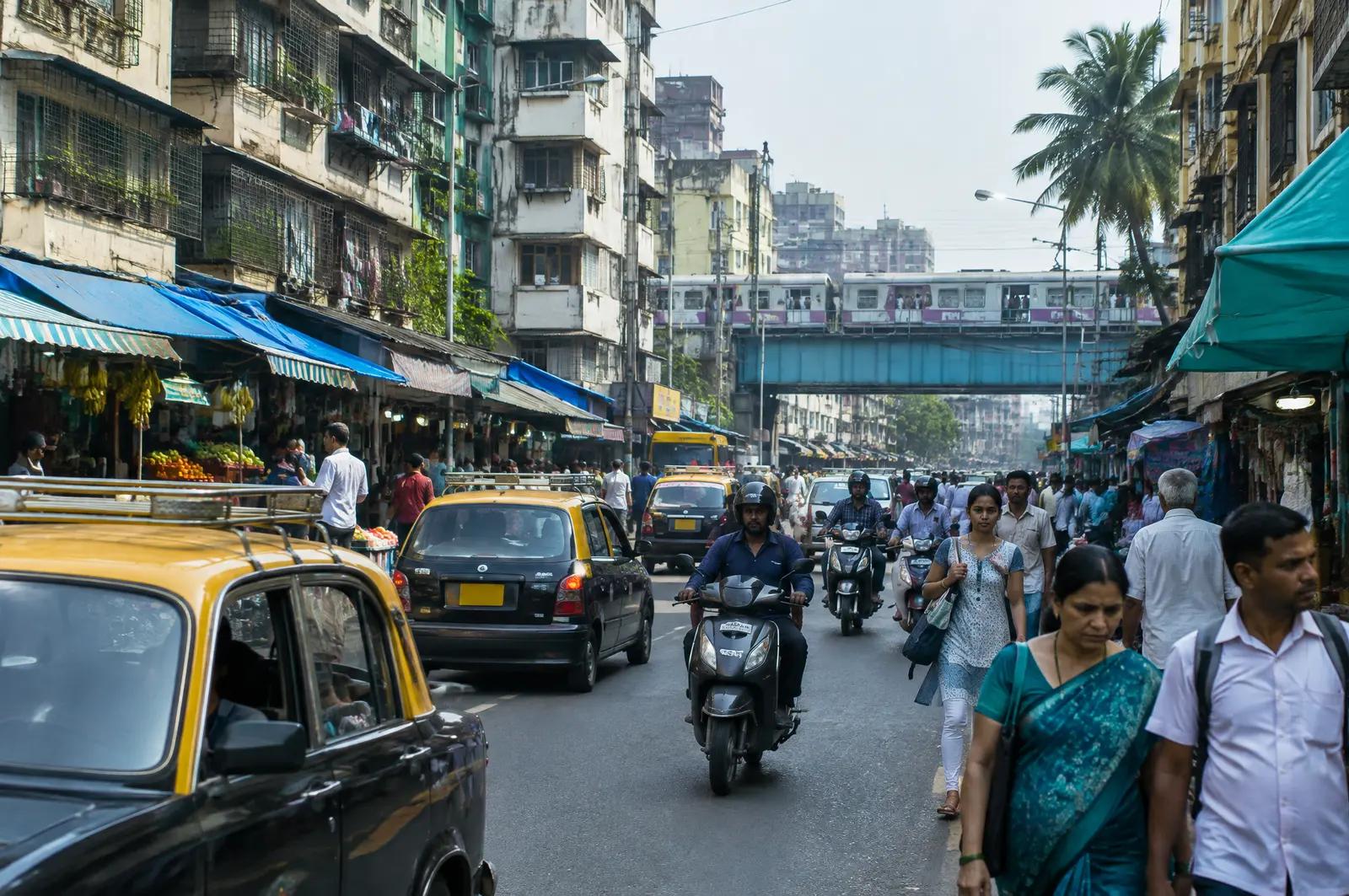
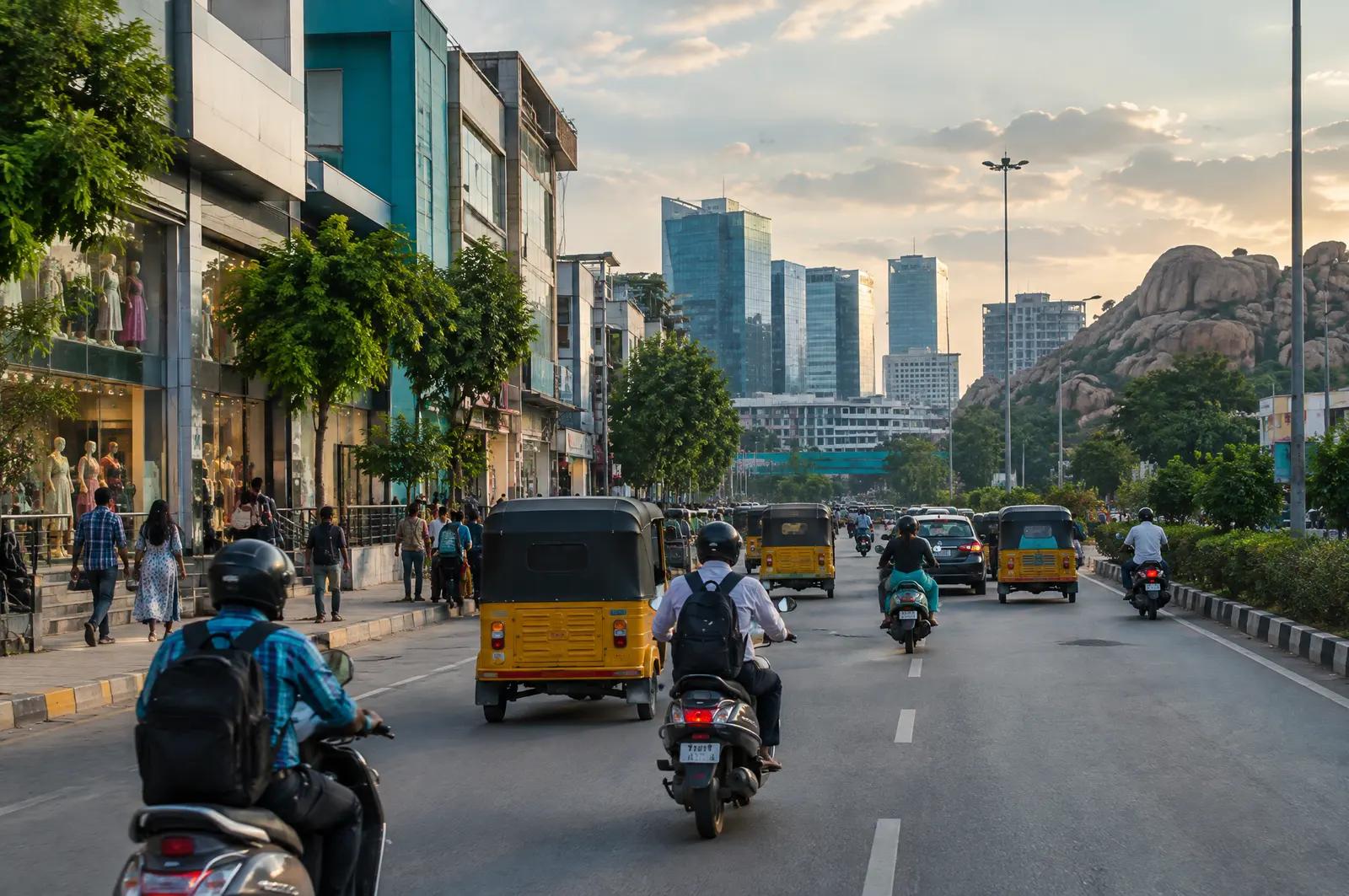
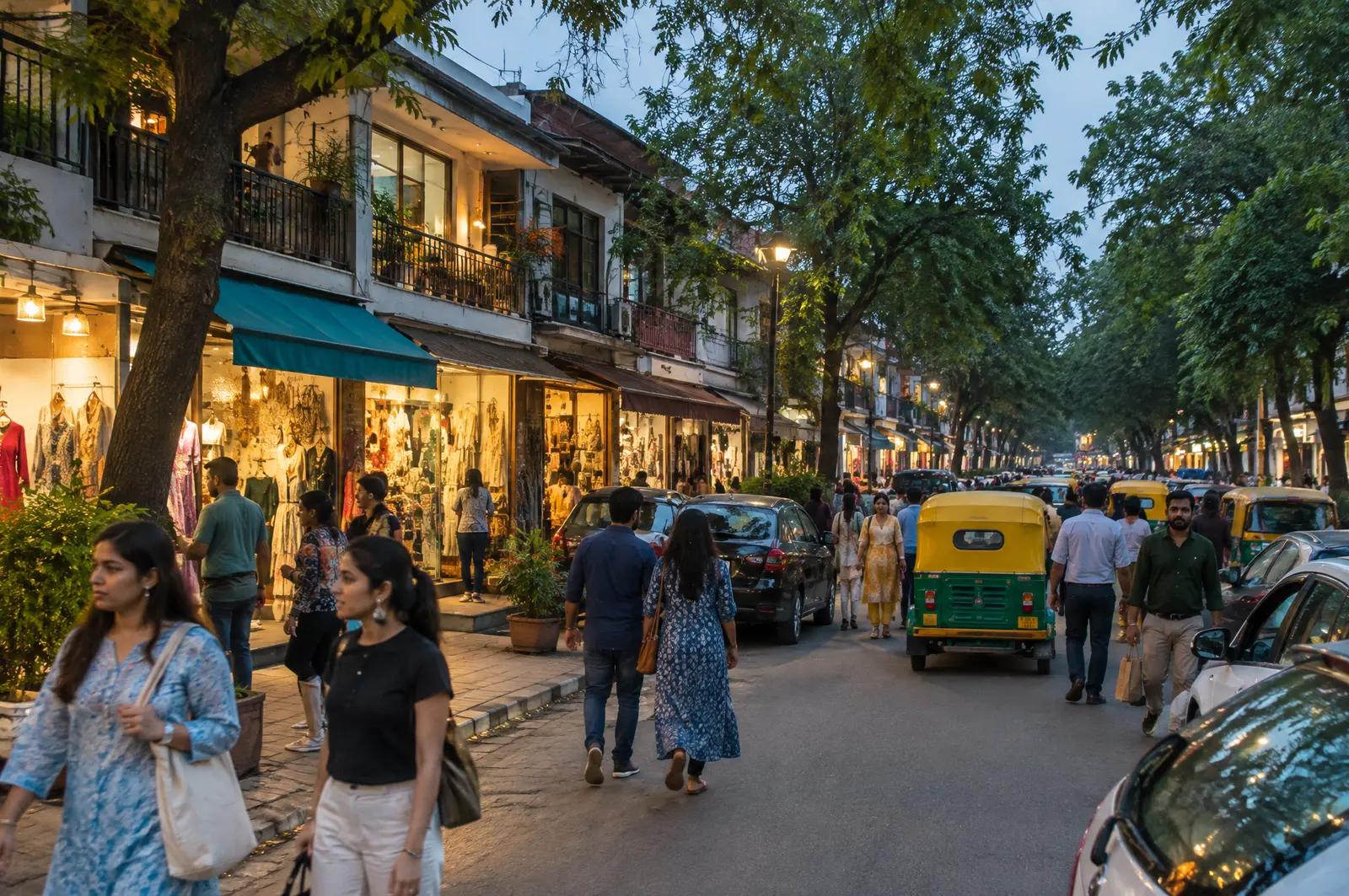
A commercial street in Delhi, Delhi, with local shops and traffic

Restaurant SEO · local report

Delhi

Delhi · also searched as New Delhi

The calendar does the rest. Navratri sends families looking for vrat thalis that most menus never mention, Ramzan fills the lanes around Jama Masjid long after dark, and the winter wedding run fills banquet kitchens while emptying casual dining rooms on the same nights. Profiles that publish ahead of each shift take the searches; the rest watch the same diners order in through an app that keeps a quarter to a third of the bill.

Search languages
Hindi · English · Punjabi
Areas covered below
7 hotspots · 6 zones
Recommended scan
7×7 · 3 km
Key local dates
Ramzan · Holi · Navratri and Dussehra

Restaurant SEO in Delhi: the short version

  1. Inside a market cluster distance is equal for every restaurant, so compare your hours, prices and photographs with the listings Google shows beside yours.

  2. Publish a Navratri vrat thali as a named dish with a price two weeks before the festival; the searches arrive early and few menus answer them.

  3. Name Delhi dishes the way people type them — chhole bhature, nihari, butter chicken, momos — rather than listing North Indian and Chinese.

  4. Big wedding nights from November to February empty casual dining rooms; plan weekday lunch and small-group posts for those weeks rather than waiting for Saturday.

Where restaurant demand concentrates in Delhi

In short: In Delhi, the areas that matter most for restaurant businesses are Chandni Chowk and Jama Masjid, Connaught Place, Hauz Khas Village and Green Park and 4 more below. Rank in each one separately; a single search from your own counter tells you nothing about them.

Delhi · 7 areas to check one by one

  1. Chandni Chowk and Jama Masjid

    Paranthe Wali Gali, Matia Mahal and the lanes off Jama Masjid draw diners who search by dish — nihari, kebabs, paranthas — and arrive on foot from the Metro, so accurate hours and a findable frontage photograph matter.

  2. Connaught Place

    Office lunches in the week and evening groups at weekends across the inner and outer circles; the block letter in your address and bar or rooftop attributes decide who finds the door.

  3. Hauz Khas Village and Green Park

    Young diners and groups compare rooftop views, alcohol and live music before booking, so attributes and recent photographs of the room at night count for more than the cuisine label.

  4. Khan Market

    Many restaurants here sit up a staircase above the shops, so the profile has to persuade before the diner climbs it; dish-level menus with prices and photographs of the room win that comparison.

  5. Rajouri Garden

    West Delhi’s Punjabi family dining belt, where butter chicken, tandoori platters and big-table weekends dominate; parking, family-friendly attributes and photographs of large tables decide where a party of ten goes.

  6. Kamla Nagar and North Campus

    Students hunt for cheap momos, rolls and cafés, typed in Hinglish with a college or Metro name; published prices and late hours beat polish, and exam weeks visibly empty the tables.

  7. Majnu ka Tilla

    The Tibetan colony by the Yamuna is the city’s reference point for momos, thukpa and laphing, so dish names on the menu and photographs that help people find a lane entrance do most of the work.

How people in Delhi search for a restaurant

In short: People in Delhi search in Hindi, English, Punjabi, and they name the area, not just the service. Your profile has to match the words they actually type.
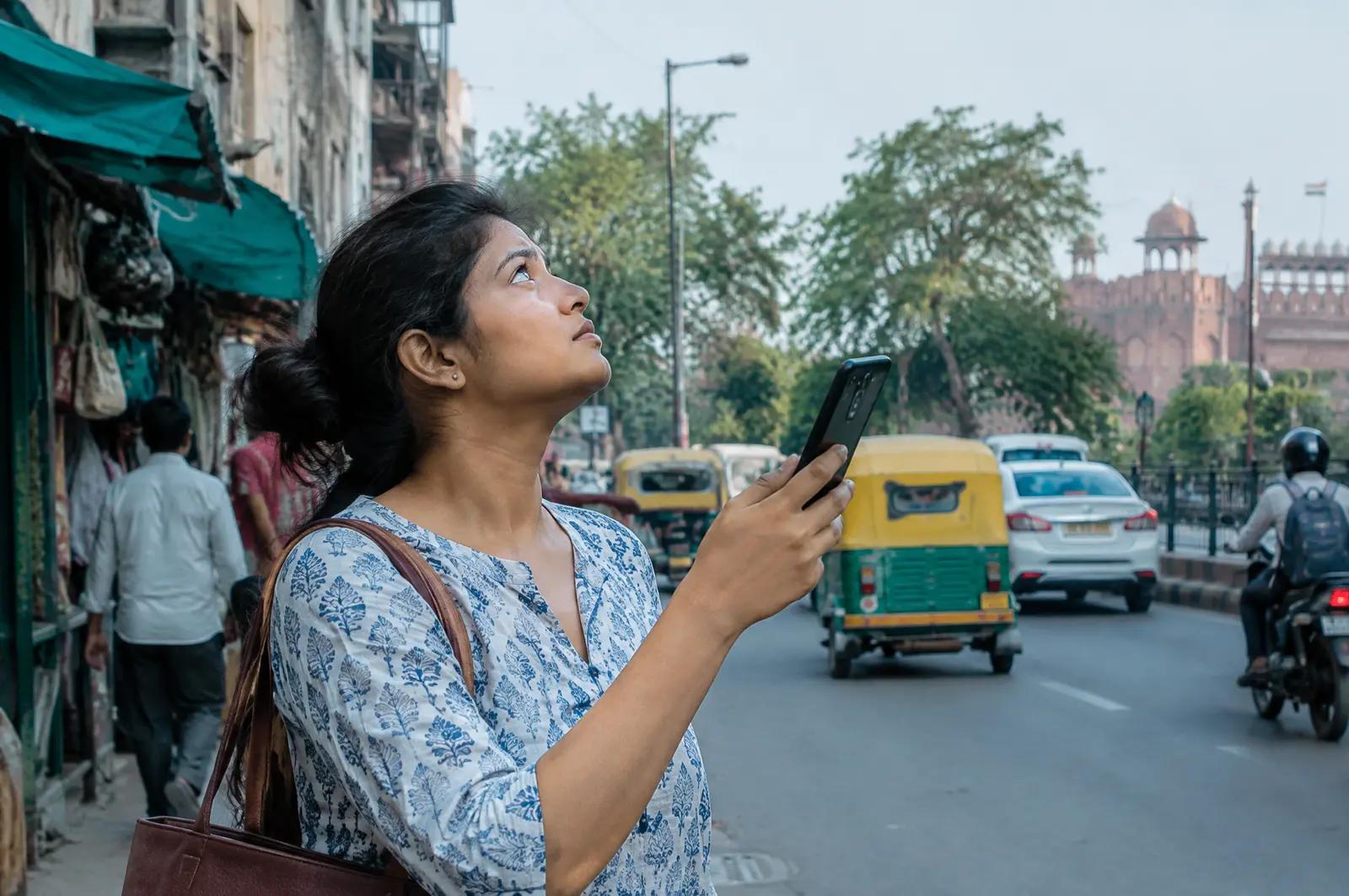
A customer in Delhi looking up a nearby business on a phone
  • chandni chowk mein nihari kahan milegi
    What they mean
    Hindi: “where can I get nihari in Chandni Chowk?”
    What your profile must show
    Nihari as a named dish, the real early-morning opening time, a frontage photograph
  • navratri vrat thali near rajouri garden
    What they mean
    A fasting family planning a meal out during the nine days
    What your profile must show
    A named vrat thali with its price and the dates it runs
  • momos near north campus sasta
    What they mean
    Hinglish: “cheap momos near North Campus”
    What your profile must show
    Prices against each dish and the nearest Metro exit in the description
  • rooftop restaurant hauz khas village with live music
    What they mean
    A group planning the evening
    What your profile must show
    Rooftop, live music and alcohol attributes, and night photographs
  • cp mein lunch buffet
    What they mean
    Hindi mix: “lunch buffet in Connaught Place”
    What your profile must show
    A lunch window separate from dinner, the buffet price, the CP block in the address
  • karwa chauth dinner near me
    What they mean
    A family booking for after moonrise
    What your profile must show
    A Karwa Chauth post with timings and a booking route
  • laphing majnu ka tilla timing
    What they mean
    Wants to know when the counter is open before making the trip
    What your profile must show
    Correct opening hours and laphing named on the menu

What makes Delhi different

In short: What changes in Delhi: Upper floors and hidden entrances · Navratri and vrat menus · Old Delhi runs on its own clock.
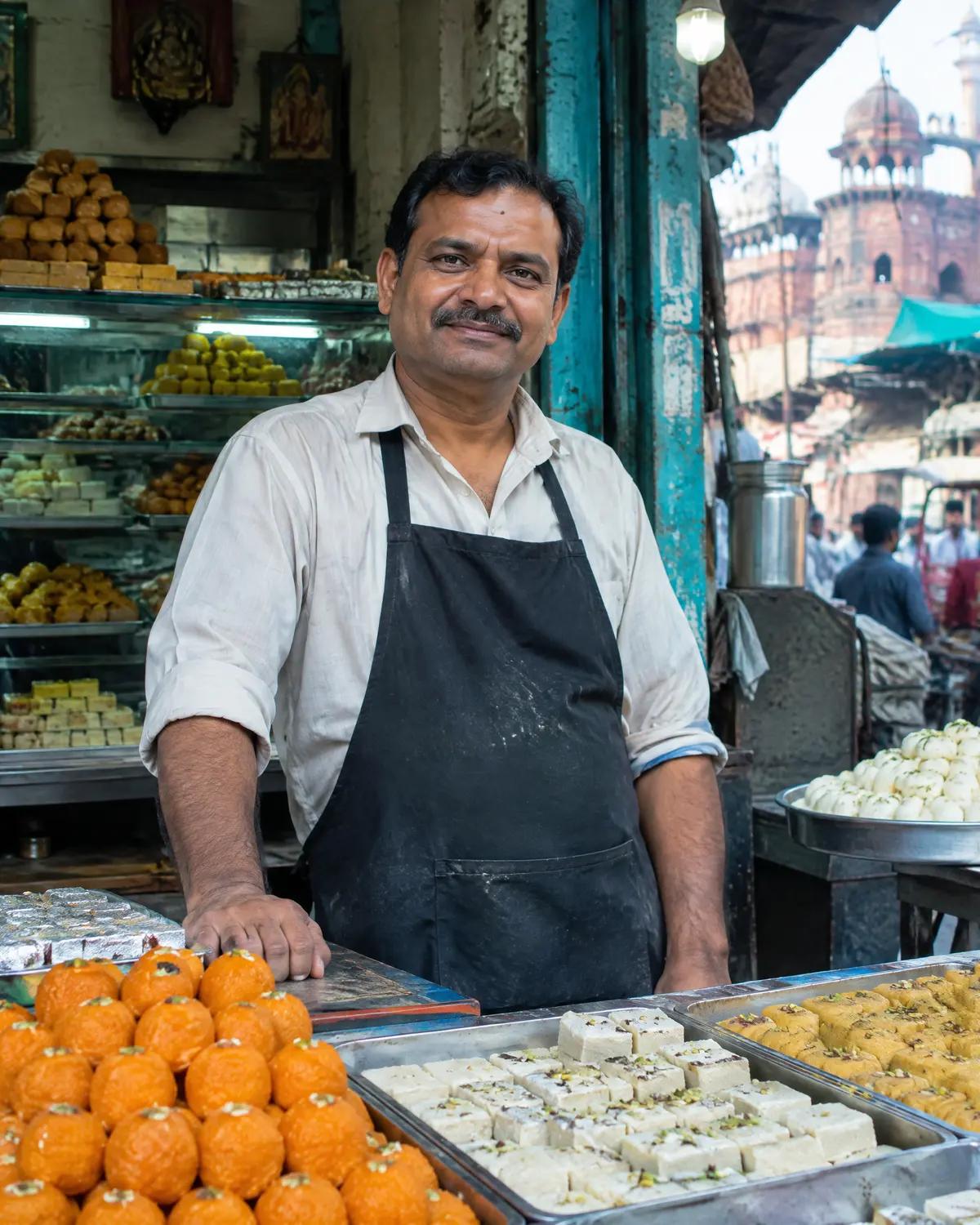
A local business owner in their shop in Delhi

Upper floors and hidden entrances

Many Delhi restaurants sit up a staircase in a market block or down a lane in Old Delhi, and first-time diners give up when they cannot find the door. Photograph the street-level entrance and the staircase, put the block or shop number in the address, and place the pin on the entrance rather than the middle of the building.

Navratri and vrat menus

For nine days many Delhi families eat only vrat food — kuttu, singhara, sabudana, sendha namak — and most restaurant profiles say nothing about it. A named vrat thali with a price, posted two weeks before the festival and listed on the menu, answers a search most competitors leave empty. Remove it afterwards so the menu stays accurate.

Old Delhi runs on its own clock

The lanes around Jama Masjid start early with nihari and run late in Ramzan, while Connaught Place offices empty in the evening and Hauz Khas Village fills after ten. One set of timings cannot describe any of these well. Enter hours that match the service you actually run, add Ramzan special hours, and state a last-order time when the kitchen closes before the shutter.

The Delhi restaurant calendar

In short: Demand in Delhi moves with Ramzan (Feb–Mar), Holi (Mar), Navratri and Dussehra (Sep–Oct). Prepare your profile two to three weeks before each one.
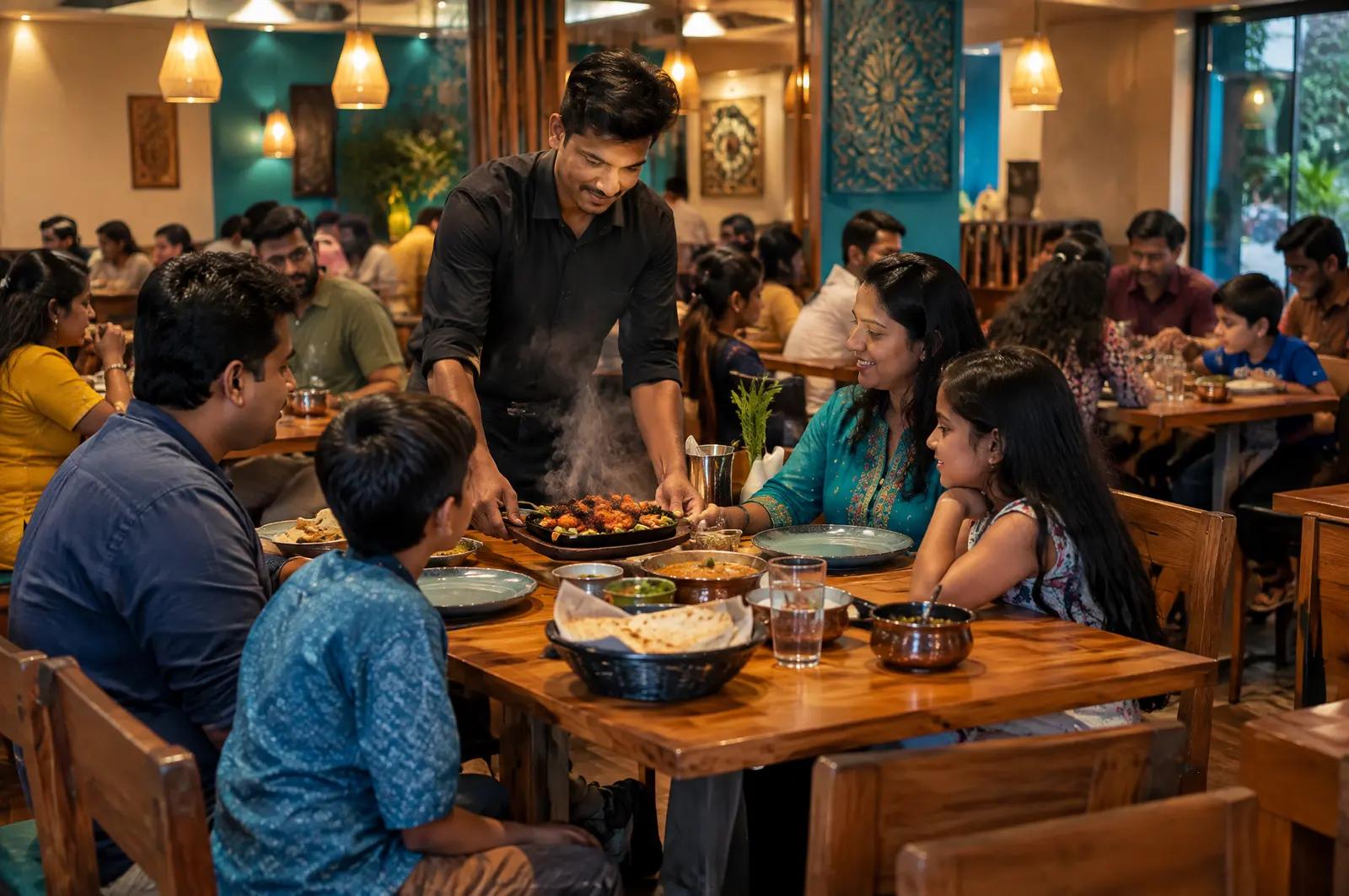
A busy family restaurant dining room in the evening, a waiter serving sizzling platters
  1. RamzanFeb–Mar

    Old Delhi’s lanes stay busy past midnight. Enter Ramzan special hours two weeks ahead, post the iftar menu and late timings, and refresh night photographs of the frontage so newcomers can find you.

  2. HoliMar

    Many kitchens close on Holi morning and open late. Enter special hours a week ahead, post thandai or gujiya if you make them, and post again when you reopen, as families look for a meal out that evening.

  3. Navratri and DussehraSep–Oct

    Publish the vrat thali two weeks out and a second post with timings two days before. Dussehra evenings near Ramlila grounds bring crowds and road closures; enter special hours if your access changes.

  4. Karwa Chauth and DiwaliOct–Nov

    Karwa Chauth dinners after moonrise fill family restaurants, then Diwali brings office parties and closures. Put both menus, booking routes and holiday hours live by early October.

  5. Wedding seasonNov–Feb

    Casual dining thins on big wedding nights. Push weekday lunch and small-group posts, answer every review within the day, and photograph the room on the nights it is full.

Measuring your reach across Delhi

In short: Scan a 7×7 grid over 3 km around your location to see where you appear in the local pack and where a competitor beats you.

Example scan, Delhi

Example

7×7 grid, 3 km radius, points about 1 km apart

Delhi diners drive between markets, so 3 km at 7×7, with points a kilometre apart, shows whether your pull reaches the next market or stops at the arterial road in between. Centre it on the restaurant, scan a dish such as nihari or momos alongside the cuisine, and note which listings take the edge points.

In the top three at 14 of 48 points

  • Top 3, the local pack14 points
  • Ranks 4 to 1014 points
  • Ranks 11 to 308 points
  • Ranks 31 to 1004 points
  • Not in the results8 points
  • Your business, at the centre of the scan

Illustration. A real Web Sarathi scan plots your actual Google Maps position at every point, with the businesses ranking above you.

Grid ranking

Find out which streets you are actually invisible on

Searching from behind your own counter tells you nothing. Grid ranking measures your Maps position from dozens of points around the restaurant and returns a heat map of your real catchment.

  • See how far your visibility actually reaches, street by street
  • Track a dish or cuisine keyword over weeks instead of guessing
  • Compare honestly against the neighbour you assume is beating you
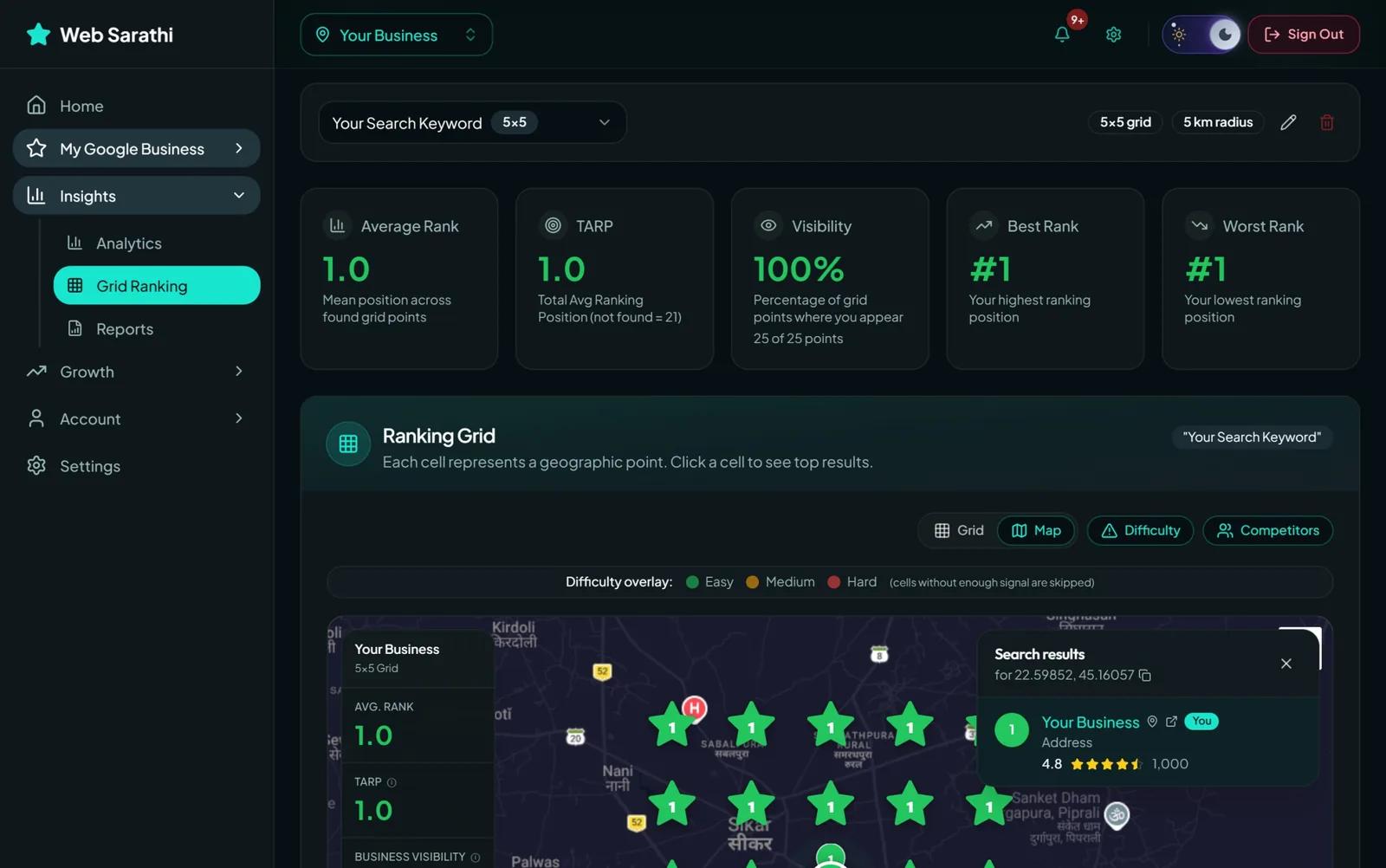
Grid ranking heat map showing Google Maps position across a neighbourhood

The restaurant playbook behind this page

In short: Everything on this page applies the national Restaurant SEO guide to Delhi. These are its core rules.
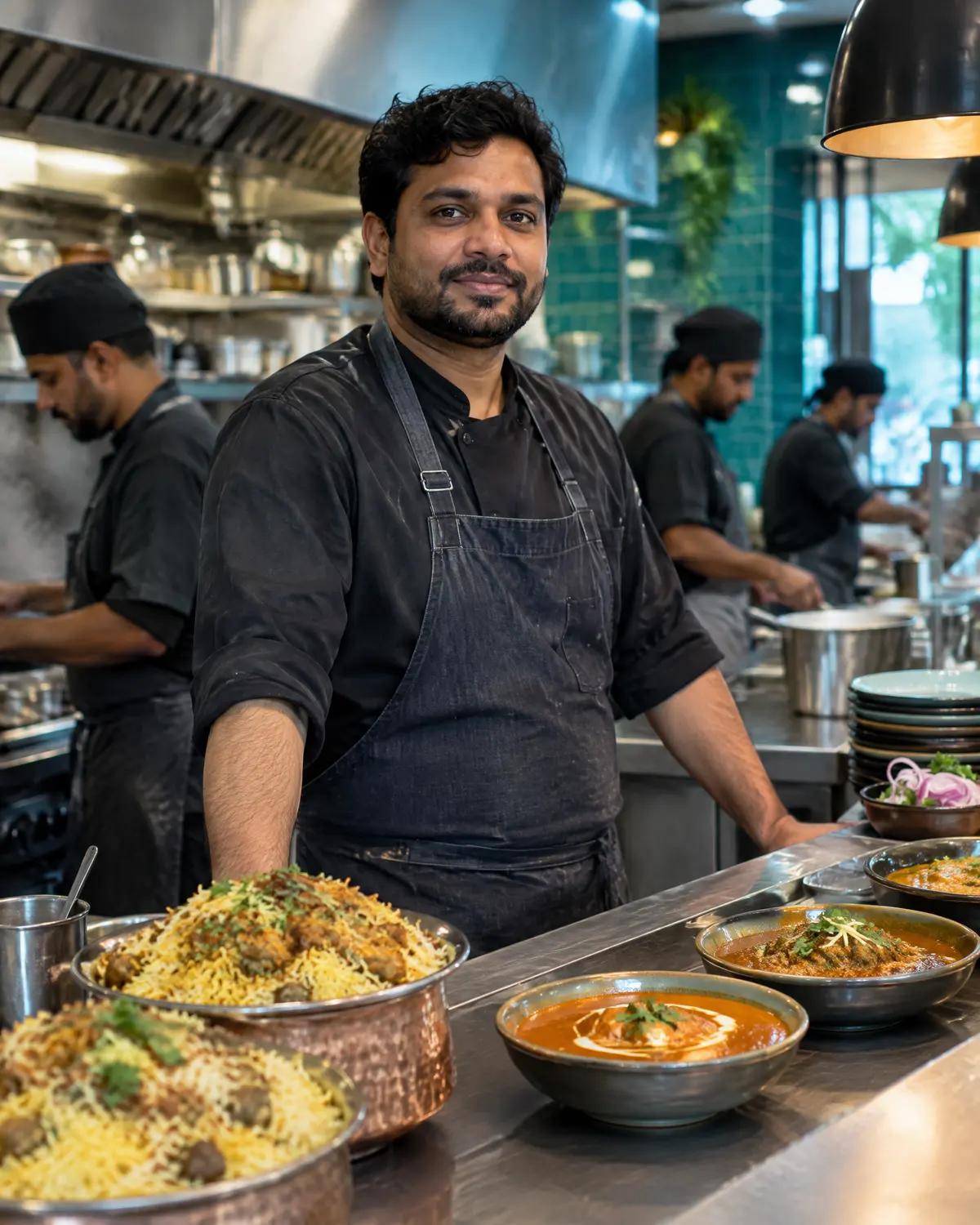
A chef-owner in a dark apron at the pass of a busy open restaurant kitchen
  1. An Indian restaurant’s real competitor is the aggregator app; a diner who walks in from Google Maps pays no commission, while an aggregator order commonly loses a quarter to a third of its value.

  2. Hours work as a filter, not a ranking factor: a restaurant shown as closed is removed from open-now results, so split lunch and dinner windows and enter festival closures as soon as they are decided.

  3. Put dishes, prices and diet attributes on the profile; a search for a specific dish such as thali, kothu parotta or filter coffee cannot match a restaurant that has never named it.

  4. Restaurants have a review-handling problem, not a collection problem: answer every review within hours, in the language it was written in, for the next fifty readers rather than the reviewer.

  5. A delivery-only brand can hold its own Google profile only with distinct branded packaging and its own website, and it must hide the kitchen address and set service areas instead.

Delhi at a glance

Delhi is a city of markets. Most residential colonies have a market of their own, and the bigger shopping hubs range from the wholesale lanes of Chandni Chowk, Sadar Bazaar and Karol Bagh to Lajpat Nagar, Kamla Nagar and Rajouri Garden, and the more upmarket centres of South Delhi such as Khan Market, Greater Kailash and Hauz Khas. Local businesses depend heavily on the families living close to their market, and clinics, salons, coaching centres, gyms and restaurants tend to cluster in the same market blocks, so competition is often visible on a single street.

The city is spread out, split by the Yamuna and crossed by heavy arterial roads, and that shapes who appears in a “near me” search. East Delhi residents rarely cross the river for routine services, and people in Dwarka or Rohini usually look close to home. The Metro has widened the catchment of businesses near major stations, which is why many customers add a station, block or market name to their search. Gurugram and Noida behave as separate markets even though many residents commute between them and Delhi every day.

The Yamuna splits East Delhi from the rest of the city, and congestion on the Ring Road and Outer Ring Road keeps most customers within their own part of town, with Metro stations stretching that range for businesses close to them.

Delhi · 6 zones · 35 localities

Central and Old Delhi

  • Connaught Place
  • Karol Bagh
  • Chandni Chowk
  • Paharganj
  • Daryaganj

North and North-West Delhi

  • Civil Lines
  • Kamla Nagar
  • Model Town
  • Pitampura
  • Rohini
  • Shalimar Bagh
  • Ashok Vihar

South Delhi

  • Greater Kailash
  • Hauz Khas
  • Saket
  • Malviya Nagar
  • Lajpat Nagar
  • Defence Colony
  • Green Park

West Delhi

  • Rajouri Garden
  • Janakpuri
  • Punjabi Bagh
  • Tilak Nagar
  • Vikaspuri
  • Paschim Vihar

South-West Delhi

  • Dwarka
  • Palam
  • Mahipalpur
  • Najafgarh

East Delhi

  • Laxmi Nagar
  • Preet Vihar
  • Mayur Vihar
  • Patparganj
  • Shahdara
  • Krishna Nagar

Searched alongside the city

  • Ghaziabad
  • Faridabad
  • Sonipat

Restaurant SEO in Delhi: questions owners ask

Our restaurant is on the first floor of a market block. How do we stop people missing the entrance?

Make the profile do the walking. Pin the street-level entrance rather than the middle of the building, include the shop or block number in the address, and upload a photograph of the staircase or door taken from the pavement. Mention a visible landmark in the description. First-time diners who cannot find a door within a minute pick the next listing.

Is it worth adding a Navratri vrat thali to our Google menu?

Yes, if you serve it properly. Families keeping the fast search for vrat food by name, and very few restaurant profiles answer them. Add it as a dish with a price and the dates, post about it two weeks ahead, and take it off when the festival ends. Make sure the kitchen gets it right, because a careless vrat plate earns pointed reviews.

Diners keep praising us on the delivery app. Does that help on Google?

No. Google ranks on its own reviews, so a strong rating inside the app does nothing on Maps. Ask the people eating in the room, where the whole bill is yours anyway: a QR code on the table or the bill folder that opens your Google review page makes it a ten-second job. The app rating still matters inside the app, so give both attention.

Our rooftop and indoor dining room keep different hours. How do we show that?

Keep one profile with the main kitchen’s hours, and explain the rooftop timings in the description and in posts, updating them as the season changes: after sunset only in May and June, earlier closing in the coldest weeks. A second listing for the rooftop at the same address is only allowed if it is a genuinely separate business with its own signage.

Which areas of Delhi matter most for a restaurant business?

Start with Chandni Chowk and Jama Masjid, Connaught Place and Hauz Khas Village and Green Park. In Chandni Chowk and Jama Masjid: Paranthe Wali Gali, Matia Mahal and the lanes off Jama Masjid draw diners who search by dish — nihari, kebabs, paranthas — and arrive on foot from the Metro, so accurate hours and a findable frontage photograph matter. Check your Google Maps position in each area separately, because ranking in one does not carry over to the next.

How do people in Delhi search for a restaurant on Google?

They name the area as well as the service, in Hindi, English and Punjabi. Typical searches include “chandni chowk mein nihari kahan milegi” and “navratri vrat thali near rajouri garden”. To win “chandni chowk mein nihari kahan milegi”, your profile has to show nihari as a named dish, the real early-morning opening time, a frontage photograph.

When is the busiest season for restaurant businesses in Delhi?

Demand in Delhi moves with Ramzan (Feb–Mar), Holi (Mar) and Navratri and Dussehra (Sep–Oct). Old Delhi’s lanes stay busy past midnight. Enter Ramzan special hours two weeks ahead, post the iftar menu and late timings, and refresh night photographs of the frontage so newcomers can find you.

How should a restaurant business in Delhi measure its Google Maps ranking?

Scan a 7×7 grid over 3 km around your location rather than searching from your own premises. Delhi diners drive between markets, so 3 km at 7×7, with points a kilometre apart, shows whether your pull reaches the next market or stops at the arterial road in between. Centre it on the restaurant, scan a dish such as nihari or momos alongside the cuisine, and note which listings take the edge points.

How does Web Sarathi help a restaurant business in Delhi?

Web Sarathi audits your Google Business Profile on day one, gives you a short daily task list of about ten minutes, collects reviews through a QR code, drafts replies in the reviewer’s own language — including Hindi and English — and maps your ranking across Delhi so you can see which areas you are winning. You can start with a free audit.
How Web Sarathi helps

Everything above, done in about ten minutes a day

Ranking across Delhi comes down to a few things done steadily. Web Sarathi tells you which ones to do today, does the slow parts for you, and maps your position across Delhi so you can see it working.

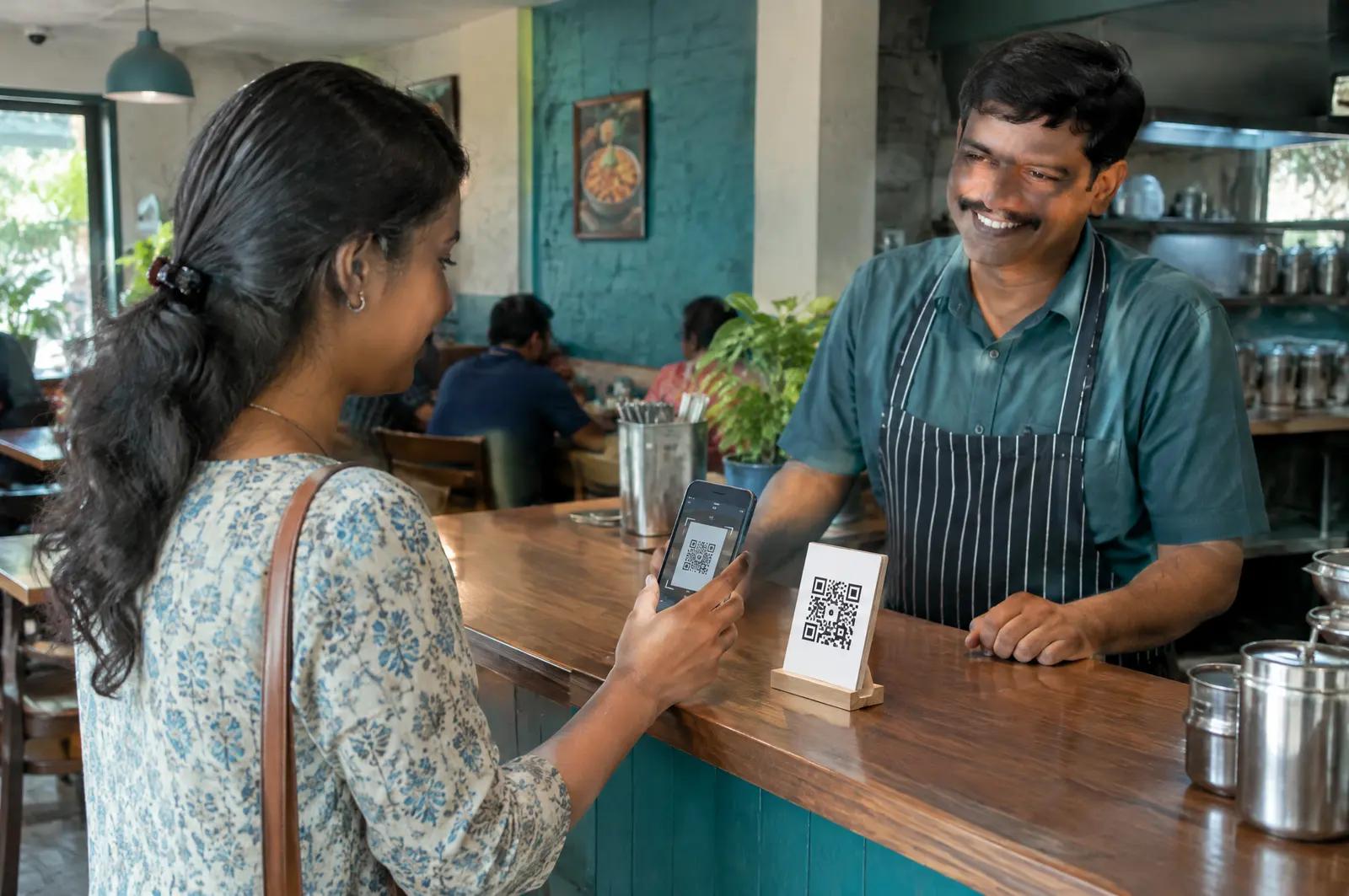
  • A customer scanning the review QR code at a restaurant counterReviews in seconds
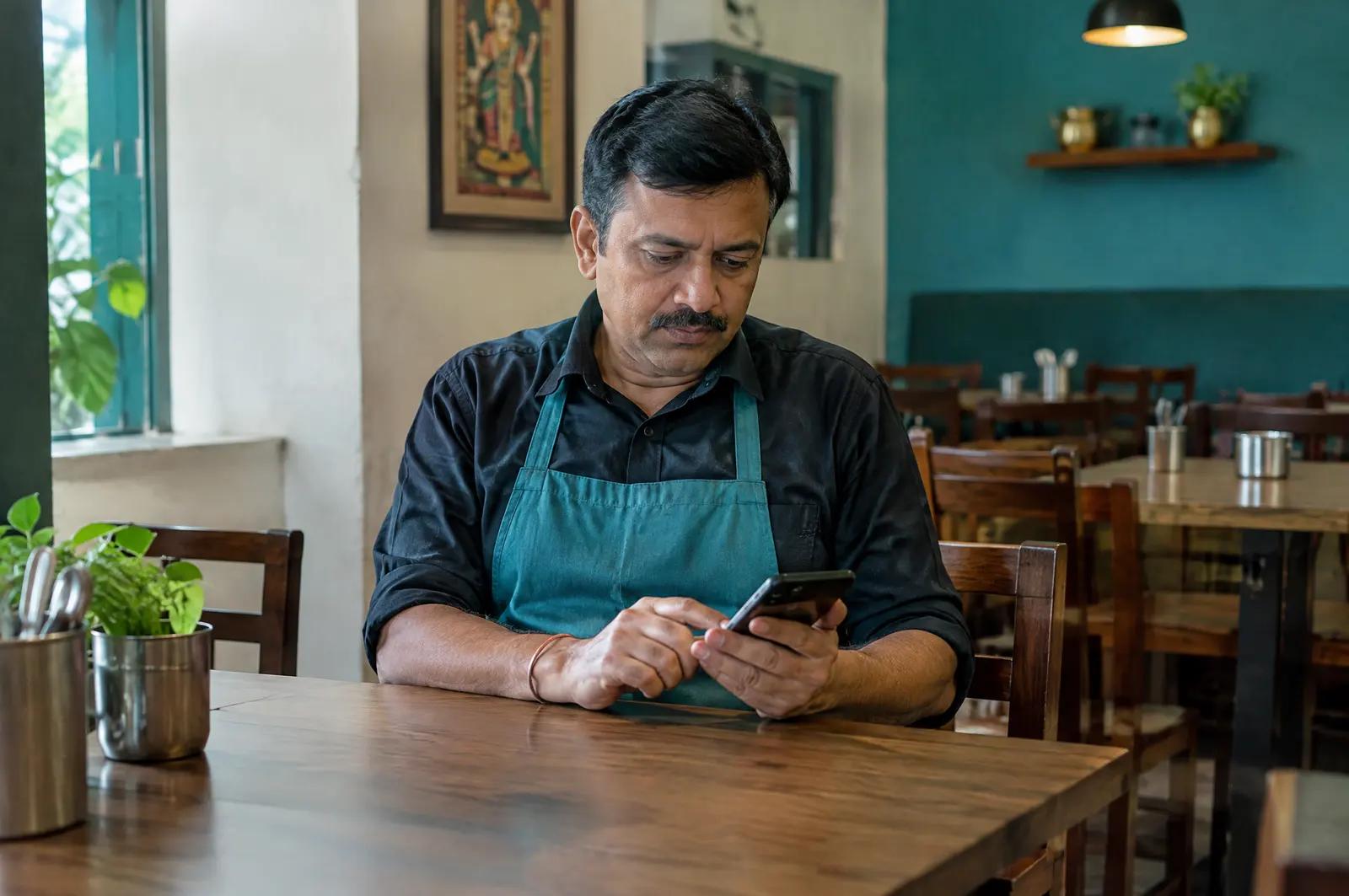
  • A restaurant business owner replying to reviews on a phoneReplies, steadily
  • A restaurant business owner photographing their work for a postReal photos, posted
  1. Audit and score

    Day one: more than 50 checks on your profile and a score out of 100, so you know exactly what is missing.

  2. Ten minutes a day

    A short daily task list — complete the profile first, then photos, posts, reviews and replies, in the right amounts.

  3. Reviews in seconds

    A QR code at the counter. Customers pick a suggested highlight, make it their own and post it from their Google account.

  4. Replies Google rewards

    One-click or automatic replies in the reviewer’s language, paced so the profile never looks automated.

  5. Posts and a live website

    Keyword-aware captions for your real photos, published to Google and to a website that updates itself every night.

  6. Rank map and protection

    Your Google Maps position street by street, the competitors beating you, and an alert when someone edits your profile.

Other businesses in Delhi

Local SEO guides for other industries in Delhi.

Be one of the three businesses Google shows first.

Start with a free audit of your Google profile: where you rank on a map around your business, the competitors Google shows above you, and what your profile is missing, so you know exactly what to fix first. Then sign up, pick an onboarding slot, and our experts set your profile up with you on Google Meet. After that, about ten minutes a day.

No credit card Expert setup on Google Meet, then your 7-day free trial

Read the Restaurant SEO guide