Restaurant SEO · Navi Mumbai

Restaurant SEO in Navi Mumbai: getting chosen inside your own node

Navi Mumbai was planned as separate nodes, and its diners still eat that way. Vashi, Nerul, Belapur and Kharghar each have their own station, market and restaurant streets, and a family in Kharghar has little reason to drive to Vashi for an ordinary dinner. People describe where they are by node and sector, so a profile that states both plainly is matched to searches a vague “Navi Mumbai” address misses.

Written by
Web Sarathi Local SEO Team
Last updated
Updated
Reading time
7 min read
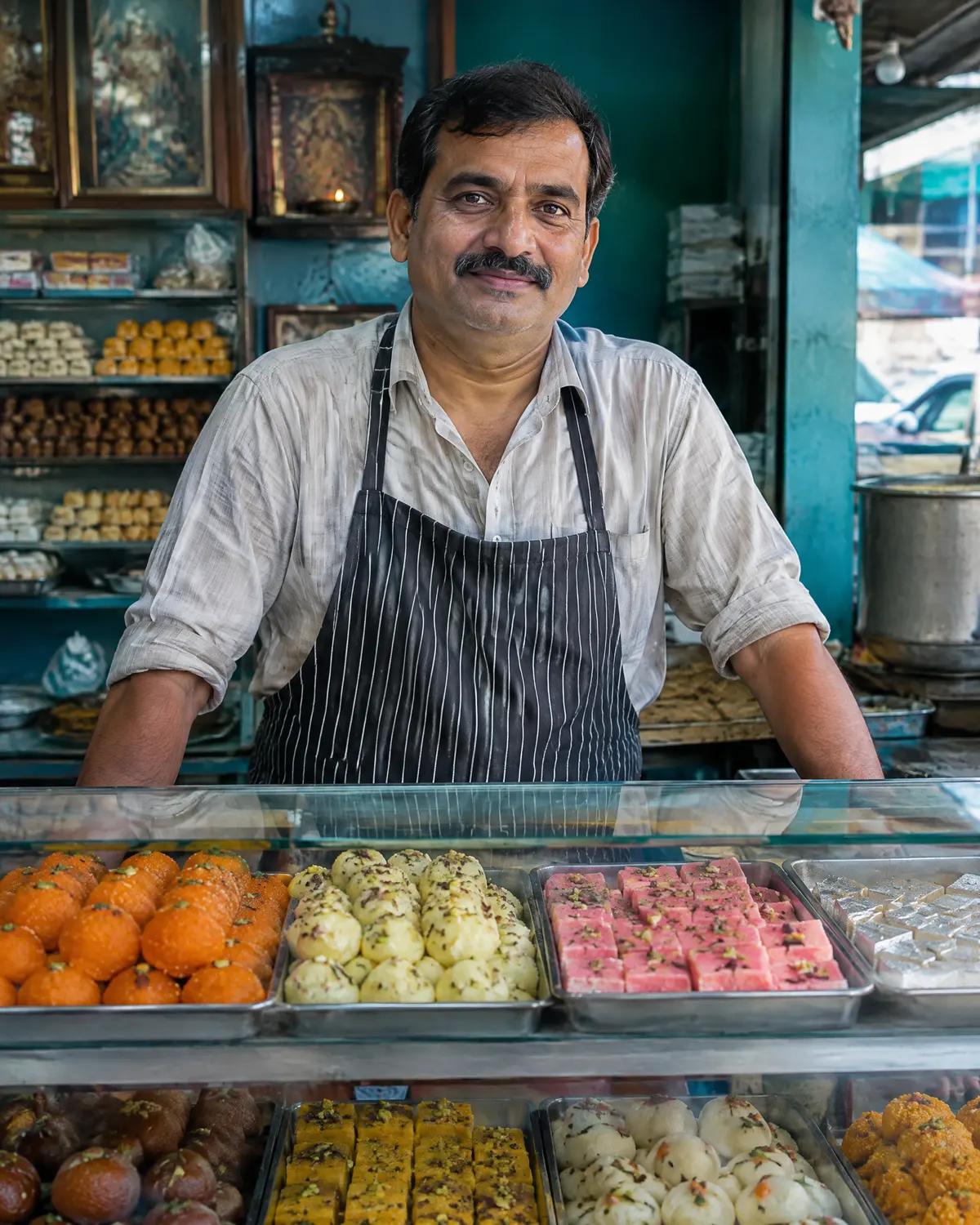
A restaurant business owner at work, looking at the camera
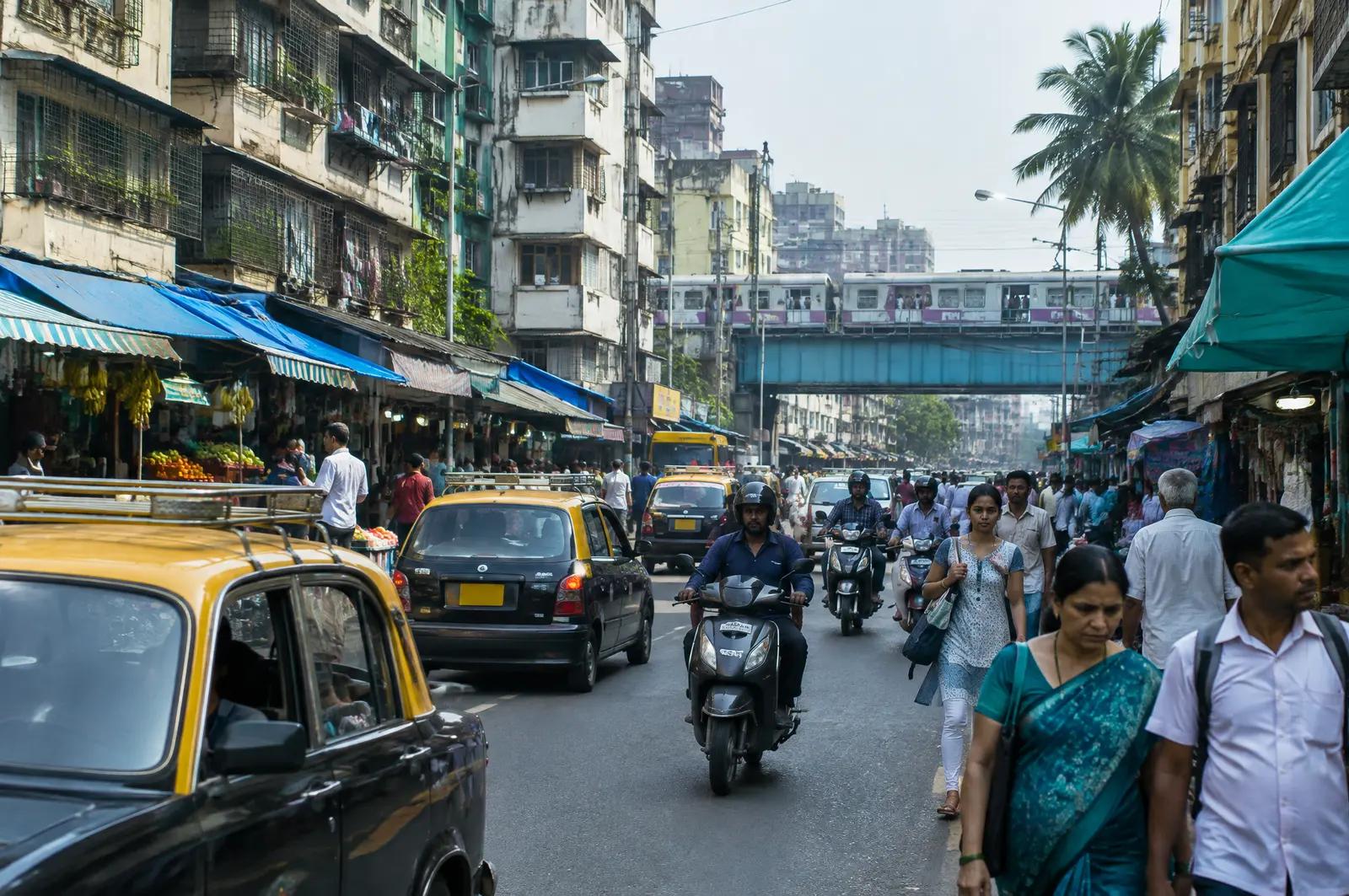
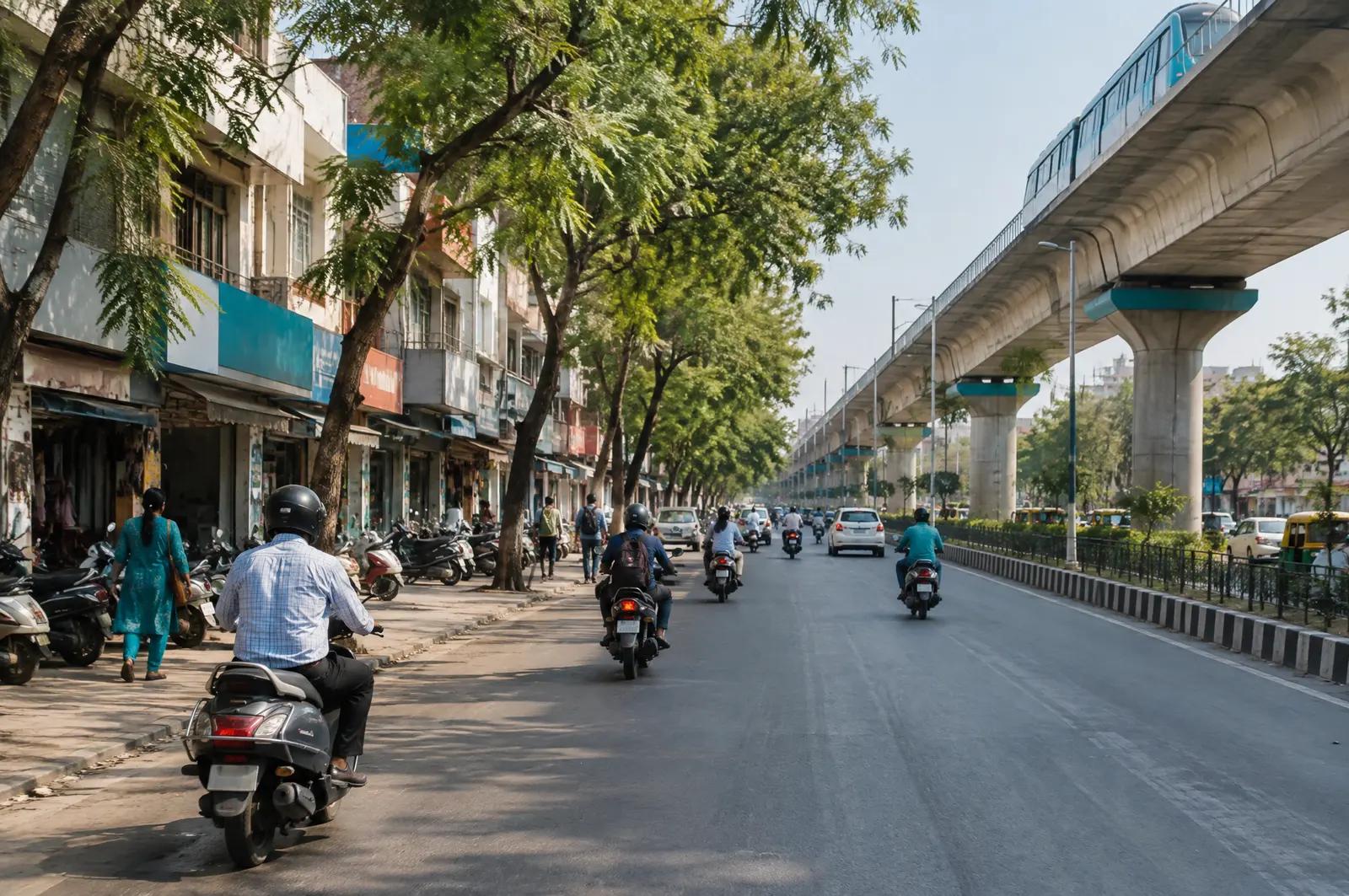
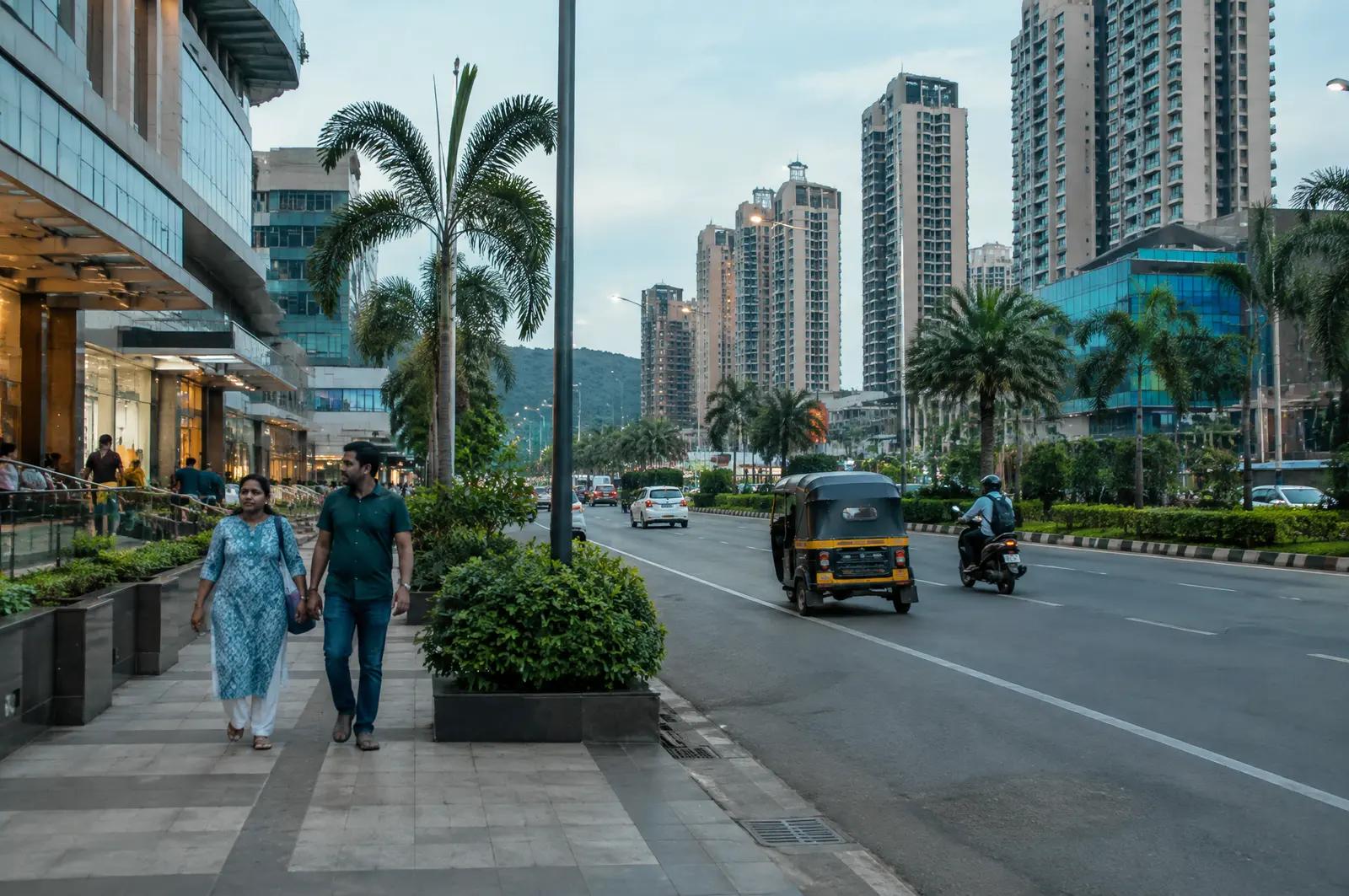
A commercial street in Navi Mumbai, Maharashtra, with local shops and traffic

Restaurant SEO · local report

Navi Mumbai

Maharashtra · also searched as New Bombay

The other split is between old and new. The gaothan villages tucked between the nodes keep the Agri and Koli kitchens that cook fresh fish the way local families do, while the towers of Kharghar, Kamothe and Ulwe are full of newcomers with no neighbourhood history, choosing from reviews and photographs alone. A restaurant that knows which of these diners it serves writes a very different profile from one that tries to please both.

Search languages
Marathi · Hindi · English
Areas covered below
8 hotspots · 5 zones
Recommended scan
9×9 · 4 km
Key local dates
Gudi Padwa · Fishing ban · Ganeshotsav

Restaurant SEO in Navi Mumbai: the short version

  1. State your node and sector in the address and description, such as Sector 17, Vashi, because Navi Mumbai diners search and give directions that way.

  2. Newer nodes such as Ulwe and Kamothe choose almost entirely from reviews; a steady flow of recent ones matters more than an old high average.

  3. If you cook Agri or Koli seafood, name the fish and the dishes; a generic seafood label loses to a kitchen that lists bombil, surmai and prawns.

  4. Office lunches along the Thane–Belapur Road and in CBD Belapur need a separate weekday lunch window and a menu that shows prices.

Where restaurant demand concentrates in Navi Mumbai

In short: In Navi Mumbai, the areas that matter most for restaurant businesses are Vashi Sector 17, APMC Market, Vashi, Palm Beach Road and 5 more below. Rank in each one separately; a single search from your own counter tells you nothing about them.

Navi Mumbai · 8 areas to check one by one

  1. Vashi Sector 17

    The oldest node’s commercial heart, with restaurants, sweet shops and late cafés packed within a few blocks; with distance equal for everyone, prices, dish names and evening photographs decide the choice.

  2. APMC Market, Vashi

    Wholesale traders and market workers start before dawn, so eateries nearby do their best trade at hours most profiles never show; an early opening time and a priced breakfast menu win that crowd.

  3. Palm Beach Road

    Restaurants along the drive from Sanpada towards Seawoods serve evening outings and celebration dinners for several nodes at once; parking, a booking route and photographs of the room at night count most.

  4. Nerul and Seawoods

    Established sectors with families, colleges and a busy station-side complex; lunch and dinner windows, the vegetarian attribute where true and student-friendly prices answer very different searches from one listing.

  5. CBD Belapur

    Government and corporate offices fill weekday lunches, then the node quietens at night; split hours, a short weekday menu and accurate weekend timings stop Saturday diners finding a shutter.

  6. Kharghar

    A large, young node around Central Park and the station, with colleges and new families; cafés and family restaurants compete on recent photographs and reviews, and monsoon weekends bring visitors heading for the hills.

  7. Airoli and Ghansoli

    Closer to Thane than to Vashi, with IT parks along the Thane–Belapur Road; team lunches on weekdays and tower families at weekends need both a lunch window and a parking attribute.

  8. Ulwe and Kamothe

    Fast-growing nodes where most residents arrived recently, many drawn by the new airport; with no word of mouth to lean on, they choose from reviews, so asking every diner for one pays off here.

How people in Navi Mumbai search for a restaurant

In short: People in Navi Mumbai search in Marathi, Hindi, English, and they name the area, not just the service. Your profile has to match the words they actually type.
A customer in Navi Mumbai looking up a nearby business on a phone
  • vashi sector 17 restaurant open now
    What they mean
    Someone already in the market, deciding within minutes
    What your profile must show
    Accurate closing times for that day and the sector in the address
  • kharghar madhye koli jevan
    What they mean
    Marathi: “Koli-style meal in Kharghar”
    What your profile must show
    Koli and Agri dishes named with prices, the day’s catch in a post
  • bombil fry near nerul station
    What they mean
    A diner after one particular fish
    What your profile must show
    Bombil named on the menu, lunch and dinner windows, a pin on the correct side of the tracks
  • cbd belapur lunch for team
    What they mean
    An office booking lunch for colleagues before noon
    What your profile must show
    Weekday lunch hours, group seating details, a phone that is answered
  • ulwe mein family restaurant
    What they mean
    Hindi mix: “family restaurant in Ulwe”
    What your profile must show
    Family-friendly and parking attributes, a steady run of recent reviews
  • apmc vashi nashta subah
    What they mean
    Hindi: “breakfast at APMC Vashi in the morning”, often before six
    What your profile must show
    The real opening time and breakfast dishes with prices
  • palm beach road dinner with view
    What they mean
    A couple or family planning a special evening
    What your profile must show
    Photographs of the view and the room at night, a booking route, parking

What makes Navi Mumbai different

In short: What changes in Navi Mumbai: The node is the market · Gaothan kitchens and fresh fish · Monsoon weekends in the hills.
A local business owner in their shop in Navi Mumbai

The node is the market

Navi Mumbai’s nodes were planned to be self-contained, and on an ordinary evening residents treat them that way. Creeks, rail lines and the Sion–Panvel highway separate them, and nobody crosses three nodes for a weeknight dinner. Compete hard inside your own node, name it with the sector everywhere on the profile, and treat diners from further away as a bonus earned by a dish or an occasion.

Gaothan kitchens and fresh fish

The original villages inside the nodes are home to Agri and Koli families whose seafood is a reason to visit. If you cook that food, the fish names are your keywords: bombil, surmai, pomfret, prawns, crab. List them with prices, say which arrive fresh on which days, and photograph the thali as served. A pin in a narrow village lane also needs a landmark in the description.

Monsoon weekends in the hills

From June to September Kharghar’s hills and waterfalls draw visitors from across the region, and the roads to them pass restaurants that are otherwise purely local. A post on wet weekends saying you are open, with hot snacks named and parking shown in photographs, catches that traffic. The same weeks keep many residents indoors, so delivery status must stay accurate.

The Navi Mumbai restaurant calendar

In short: Demand in Navi Mumbai moves with Gudi Padwa (Mar–Apr), Fishing ban (Jun–Jul), Ganeshotsav (Aug–Sep). Prepare your profile two to three weeks before each one.
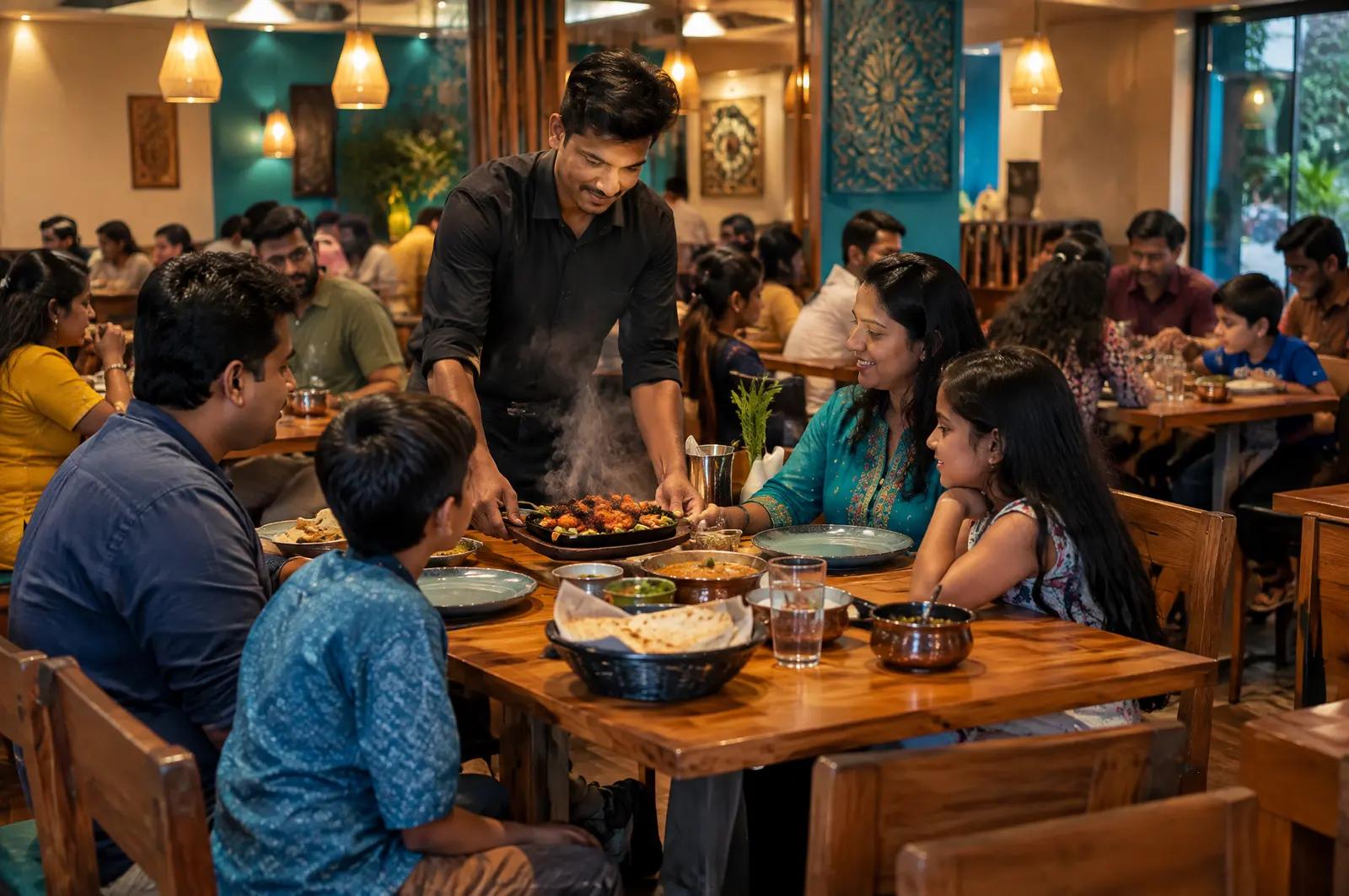
A busy family restaurant dining room in the evening, a waiter serving sizzling platters
  1. Gudi PadwaMar–Apr

    Marathi families mark the New Year with a festive lunch, at home or out. Post a Padwa thali with puran poli a week ahead, name it on the menu, and photograph it on the day.

  2. Fishing banJun–Jul

    The west-coast monsoon fishing ban limits fresh catch. Say plainly in posts and on the menu which dishes change or pause, so nobody arrives for a fresh bombil fry you cannot serve.

  3. GaneshotsavAug–Sep

    Sector pandals draw families out in the evenings for ten days. Post the festive menu a week before, add later evening hours where you have the staff, and enter special hours for immersion days.

  4. NavratriSep–Oct

    Garba nights in the sector grounds push dinners late. Publish an upvas menu two weeks ahead and post later closing times for the nine nights.

  5. Christmas and New YearDec

    Palm Beach Road and Vashi restaurants fill for year-end parties. Put set menus, booking routes and New Year’s Eve closing times live by early December.

Measuring your reach across Navi Mumbai

In short: Scan a 9×9 grid over 4 km around your location to see where you appear in the local pack and where a competitor beats you.

Example scan, Navi Mumbai

Example

9×9 grid, 4 km radius, points about 1 km apart

With 4 km at 9×9 the points fall a kilometre apart, which roughly covers your own node and the edges of the next. Keep the restaurant at the centre, scan a dish or fish name as well as the cuisine, and see whether visibility stops at the creek or rail line marking the node boundary.

In the top three at 19 of 80 points

  • Top 3, the local pack19 points
  • Ranks 4 to 1027 points
  • Ranks 11 to 3012 points
  • Ranks 31 to 10012 points
  • Not in the results10 points
  • Your business, at the centre of the scan

Illustration. A real Web Sarathi scan plots your actual Google Maps position at every point, with the businesses ranking above you.

Grid ranking

Find out which streets you are actually invisible on

Searching from behind your own counter tells you nothing. Grid ranking measures your Maps position from dozens of points around the restaurant and returns a heat map of your real catchment.

  • See how far your visibility actually reaches, street by street
  • Track a dish or cuisine keyword over weeks instead of guessing
  • Compare honestly against the neighbour you assume is beating you
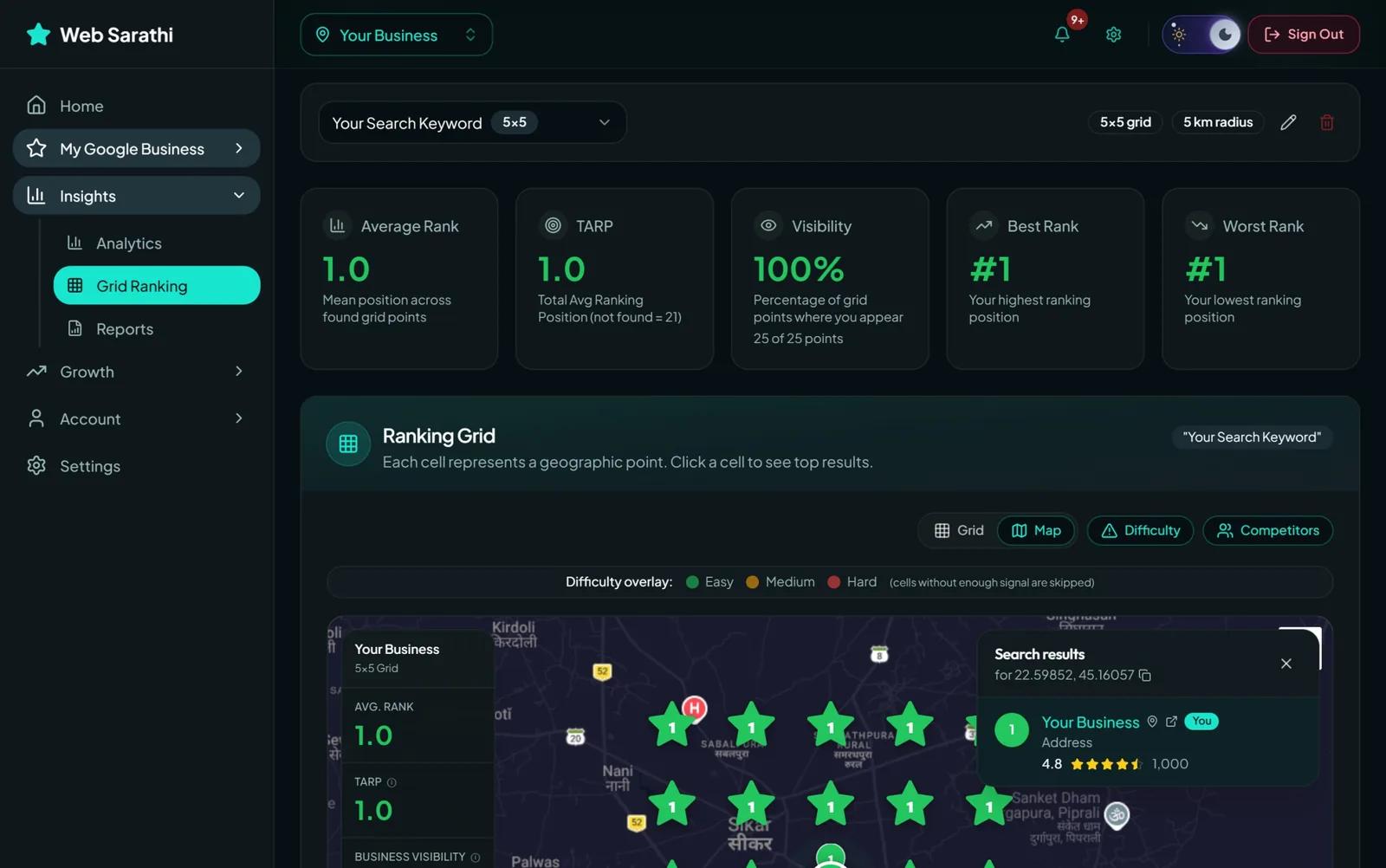
Grid ranking heat map showing Google Maps position across a neighbourhood

The restaurant playbook behind this page

In short: Everything on this page applies the national Restaurant SEO guide to Navi Mumbai. These are its core rules.
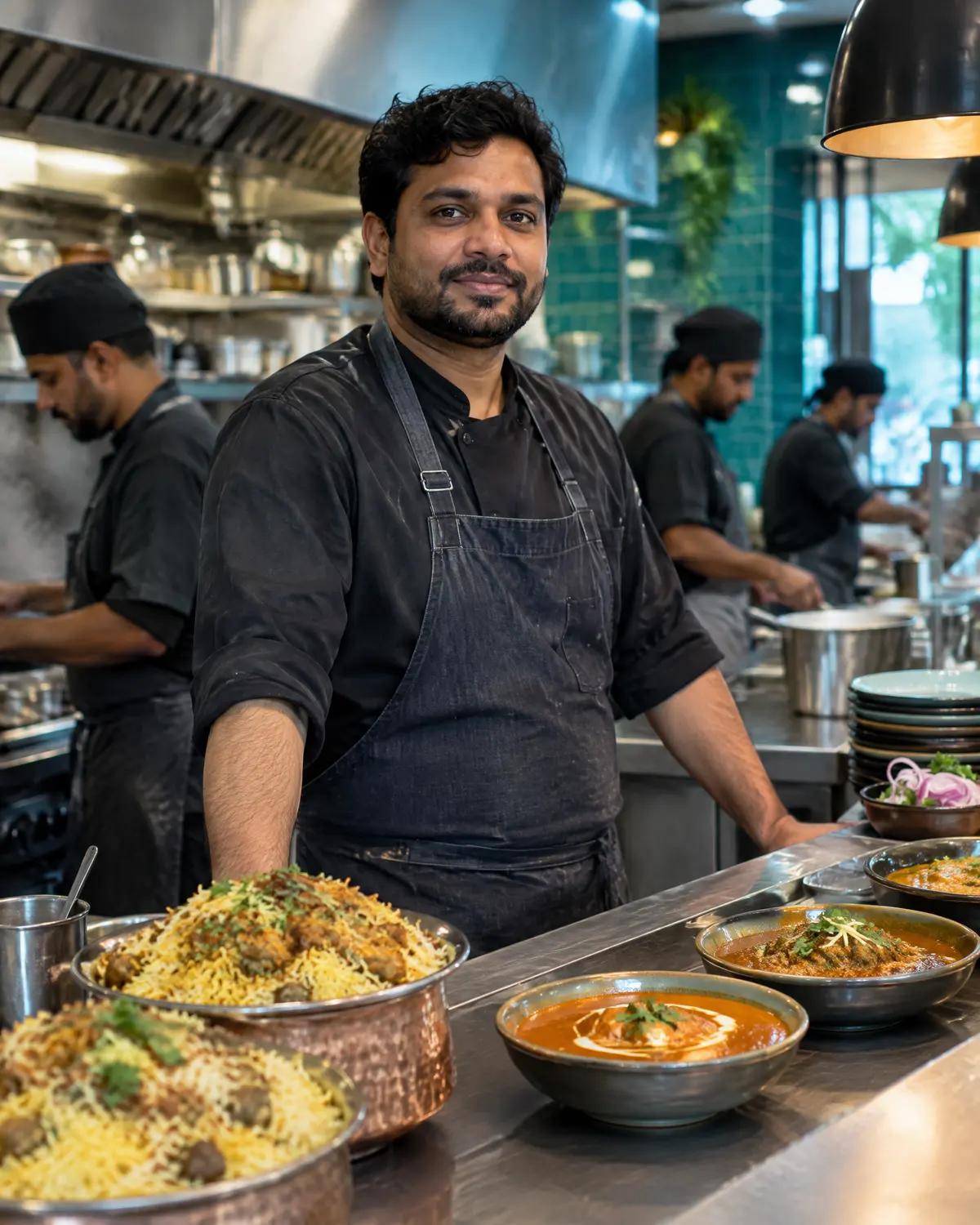
A chef-owner in a dark apron at the pass of a busy open restaurant kitchen
  1. An Indian restaurant’s real competitor is the aggregator app; a diner who walks in from Google Maps pays no commission, while an aggregator order commonly loses a quarter to a third of its value.

  2. Hours work as a filter, not a ranking factor: a restaurant shown as closed is removed from open-now results, so split lunch and dinner windows and enter festival closures as soon as they are decided.

  3. Put dishes, prices and diet attributes on the profile; a search for a specific dish such as thali, kothu parotta or filter coffee cannot match a restaurant that has never named it.

  4. Restaurants have a review-handling problem, not a collection problem: answer every review within hours, in the language it was written in, for the next fifty readers rather than the reviewer.

  5. A delivery-only brand can hold its own Google profile only with distinct branded packaging and its own website, and it must hide the kitchen address and set service areas instead.

Navi Mumbai at a glance

Navi Mumbai is a planned city of separate nodes, each laid out with its own sectors, station and market, and its business landscape follows that pattern. Vashi, the oldest node, is the main commercial centre, with malls, restaurants, clinics and the large APMC wholesale markets for produce and groceries, while Nerul, Seawoods and CBD Belapur mix offices, colleges and established residential sectors. Kharghar, Kamothe, Ulwe and the newer nodes towards Panvel have filled with apartment complexes, creating demand for salons, gyms, preschools, clinics, cafés and home services, and the Thane–Belapur Road industrial belt holds offices and IT parks.

Residents think node by node and sector by sector. A family in Kharghar rarely travels to Vashi for a haircut or a pharmacy, and Airoli and Ghansoli, closer to Thane, behave as a separate market from Nerul or Belapur. Because addresses use sector numbers, many customers search with the node and sector, so a profile that states both clearly is easier to match. With the new airport near Ulwe drawing work and housing southwards, newer residents without local contacts lean heavily on reviews. Searches mix Marathi, Hindi and English.

Navi Mumbai’s nodes are strung along the Harbour and Trans-Harbour rail lines and the Sion–Panvel and Thane–Belapur roads, so customers think node by node and rarely cross from Airoli to Kharghar for routine services.

Navi Mumbai · 5 zones · 23 localities

Vashi and Surroundings

  • Vashi
  • Sanpada
  • Juinagar
  • Turbhe
  • APMC Market

Thane–Belapur Road Belt

  • Airoli
  • Rabale
  • Ghansoli
  • Kopar Khairane
  • Mahape

Nerul and Belapur

  • Nerul
  • Seawoods
  • Karave
  • CBD Belapur

Kharghar and Panvel Nodes

  • Kharghar
  • Kamothe
  • Kalamboli
  • Taloja
  • New Panvel

Ulwe and the Uran Line

  • Ulwe
  • Bamandongri
  • Kharkopar
  • Dronagiri

Searched alongside the city

  • Panvel
  • Uran
  • Thane
  • Chembur

Restaurant SEO in Navi Mumbai: questions owners ask

Our address says Navi Mumbai but diners still get lost. What should we change?

Add the node, the sector and a landmark. Navi Mumbai addresses only make sense by sector, and several nodes have similar-looking blocks. Write the sector and node into the address and a nearby landmark into the description, put the pin on your entrance rather than the building’s centre, and add a photograph of the frontage from the road most diners arrive on.

We serve Koli seafood in a gaothan lane. Is it worth listing every fish?

Yes. People who want Koli food usually want a particular fish, and they search by its name. List the fish and the dishes — bombil fry, surmai thali, prawn curry, crab — with prices, and post when a seasonal catch comes in. Be honest about what is fresh on which day, and during the June–July fishing ban say plainly which dishes change.

Kharghar has dozens of new cafés. How does a new one stand out?

With recent, honest evidence. Newcomers compare the latest reviews, the newest photographs and whether the owner replies. Add photographs of the actual room every week, list your menu with prices, and reply to every review. Pick one or two dishes to be known for and name them in posts, so diners have a reason to choose you over the next café.

Will the new airport change anything for restaurants in Ulwe?

It will bring travellers and staff who do not know the area, and they will choose from Maps. Make sure your hours suit early and late flights if you serve then, show takeaway clearly, state the sector and a landmark, and keep reviews flowing. Do not change your name or category to chase airport searches; Google treats that as keyword stuffing.

Which areas of Navi Mumbai matter most for a restaurant business?

Start with Vashi Sector 17, APMC Market, Vashi and Palm Beach Road. In Vashi Sector 17: The oldest node’s commercial heart, with restaurants, sweet shops and late cafés packed within a few blocks; with distance equal for everyone, prices, dish names and evening photographs decide the choice. Check your Google Maps position in each area separately, because ranking in one does not carry over to the next.

How do people in Navi Mumbai search for a restaurant on Google?

They name the area as well as the service, in Marathi, Hindi and English. Typical searches include “vashi sector 17 restaurant open now” and “kharghar madhye koli jevan”. To win “vashi sector 17 restaurant open now”, your profile has to show accurate closing times for that day and the sector in the address.

When is the busiest season for restaurant businesses in Navi Mumbai?

Demand in Navi Mumbai moves with Gudi Padwa (Mar–Apr), Fishing ban (Jun–Jul) and Ganeshotsav (Aug–Sep). Marathi families mark the New Year with a festive lunch, at home or out. Post a Padwa thali with puran poli a week ahead, name it on the menu, and photograph it on the day.

How should a restaurant business in Navi Mumbai measure its Google Maps ranking?

Scan a 9×9 grid over 4 km around your location rather than searching from your own premises. With 4 km at 9×9 the points fall a kilometre apart, which roughly covers your own node and the edges of the next. Keep the restaurant at the centre, scan a dish or fish name as well as the cuisine, and see whether visibility stops at the creek or rail line marking the node boundary.

How does Web Sarathi help a restaurant business in Navi Mumbai?

Web Sarathi audits your Google Business Profile on day one, gives you a short daily task list of about ten minutes, collects reviews through a QR code, drafts replies in the reviewer’s own language — including Marathi and Hindi — and maps your ranking across Navi Mumbai so you can see which areas you are winning. You can start with a free audit.
How Web Sarathi helps

Everything above, done in about ten minutes a day

Ranking across Navi Mumbai comes down to a few things done steadily. Web Sarathi tells you which ones to do today, does the slow parts for you, and maps your position across Navi Mumbai so you can see it working.

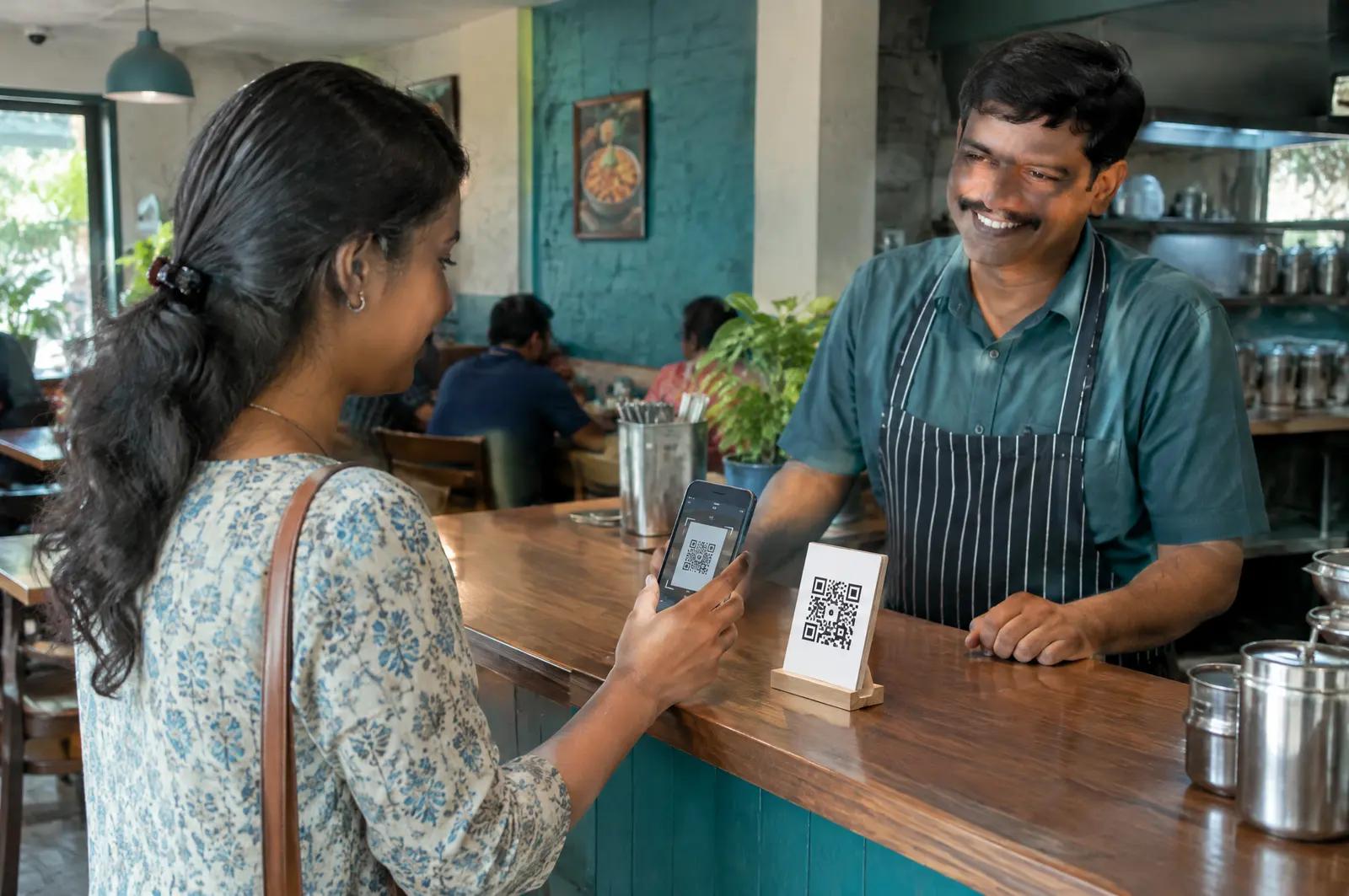
  • A customer scanning the review QR code at a restaurant counterReviews in seconds
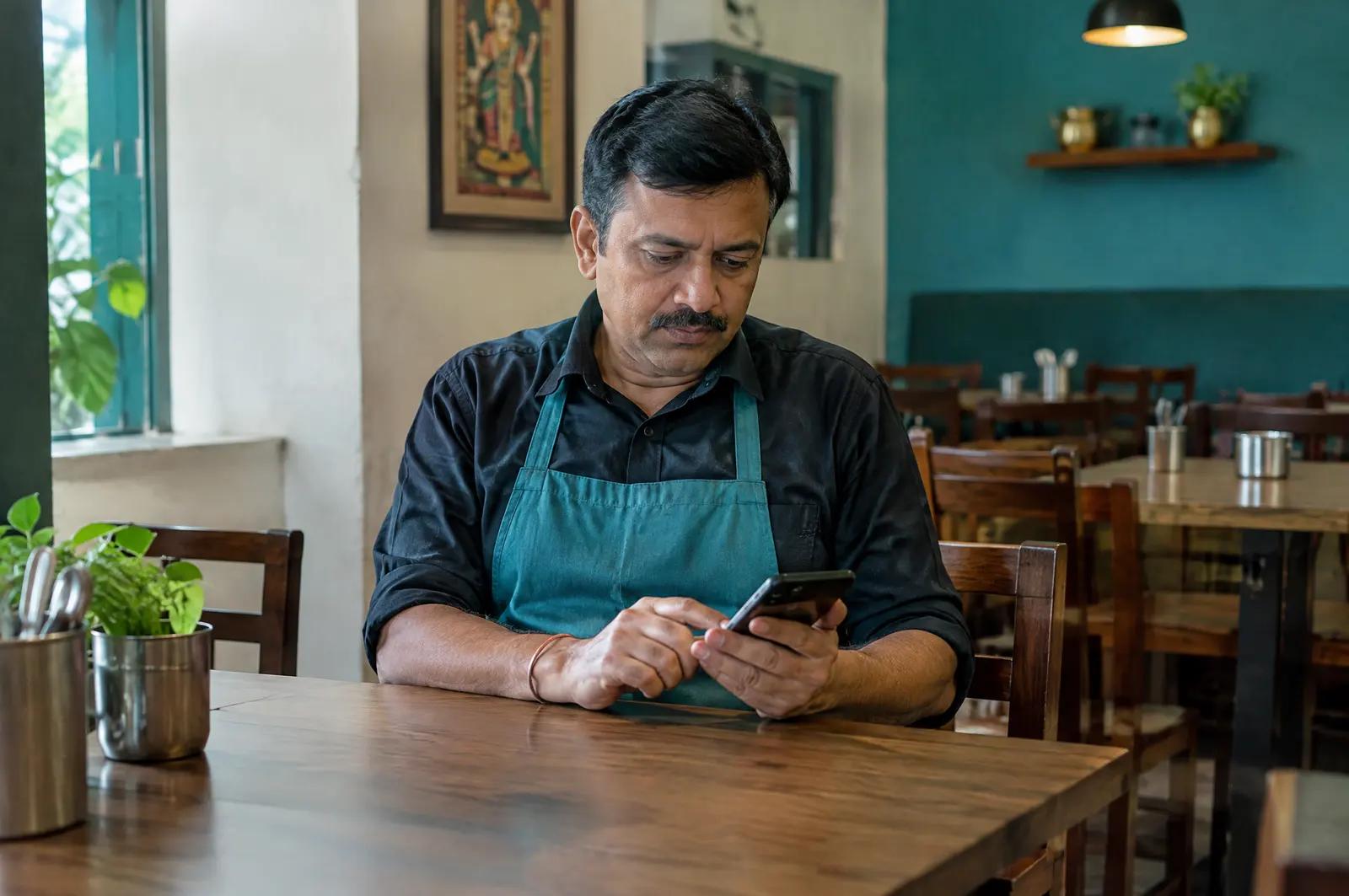
  • A restaurant business owner replying to reviews on a phoneReplies, steadily
  • A restaurant business owner photographing their work for a postReal photos, posted
  1. Audit and score

    Day one: more than 50 checks on your profile and a score out of 100, so you know exactly what is missing.

  2. Ten minutes a day

    A short daily task list — complete the profile first, then photos, posts, reviews and replies, in the right amounts.

  3. Reviews in seconds

    A QR code at the counter. Customers pick a suggested highlight, make it their own and post it from their Google account.

  4. Replies Google rewards

    One-click or automatic replies in the reviewer’s language, paced so the profile never looks automated.

  5. Posts and a live website

    Keyword-aware captions for your real photos, published to Google and to a website that updates itself every night.

  6. Rank map and protection

    Your Google Maps position street by street, the competitors beating you, and an alert when someone edits your profile.

Be one of the three businesses Google shows first.

Start with a free audit of your Google profile: where you rank on a map around your business, the competitors Google shows above you, and what your profile is missing, so you know exactly what to fix first. Then sign up, pick an onboarding slot, and our experts set your profile up with you on Google Meet. After that, about ten minutes a day.

No credit card Expert setup on Google Meet, then your 7-day free trial

Read the Restaurant SEO guide