Restaurant SEO in Varanasi: the short version
Where restaurant demand concentrates in Varanasi
In short: In Varanasi, the areas that matter most for restaurant businesses are Godowlia and Dashashwamedh, Vishwanath Gali and Kachori Gali, Assi and Bhadaini and 4 more below. Rank in each one separately; a single search from your own counter tells you nothing about them.
Varanasi · 7 areas to check one by one
How people in Varanasi search for a restaurant
In short: People in Varanasi search in Hindi, Bhojpuri, English, and they name the area, not just the service. Your profile has to match the words they actually type.
What makes Varanasi different
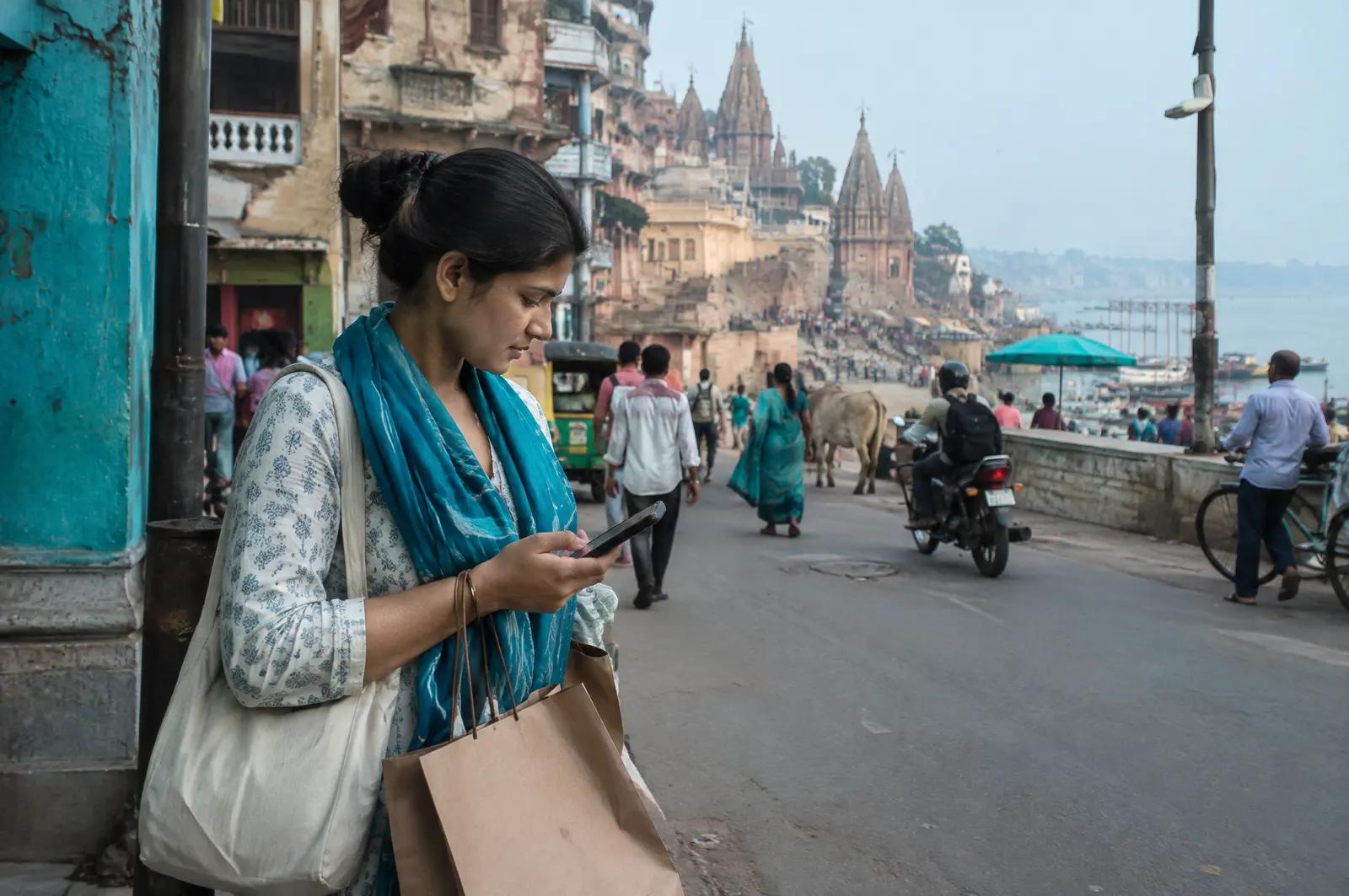
In short: What changes in Varanasi: Walking distance is everything · The sacred calendar sets demand · Crowd control changes the map.
The Varanasi restaurant calendar
In short: Demand in Varanasi moves with Mahashivratri (Feb–Mar), Holi (Mar), Sawan (Jul–Aug). Prepare your profile two to three weeks before each one.
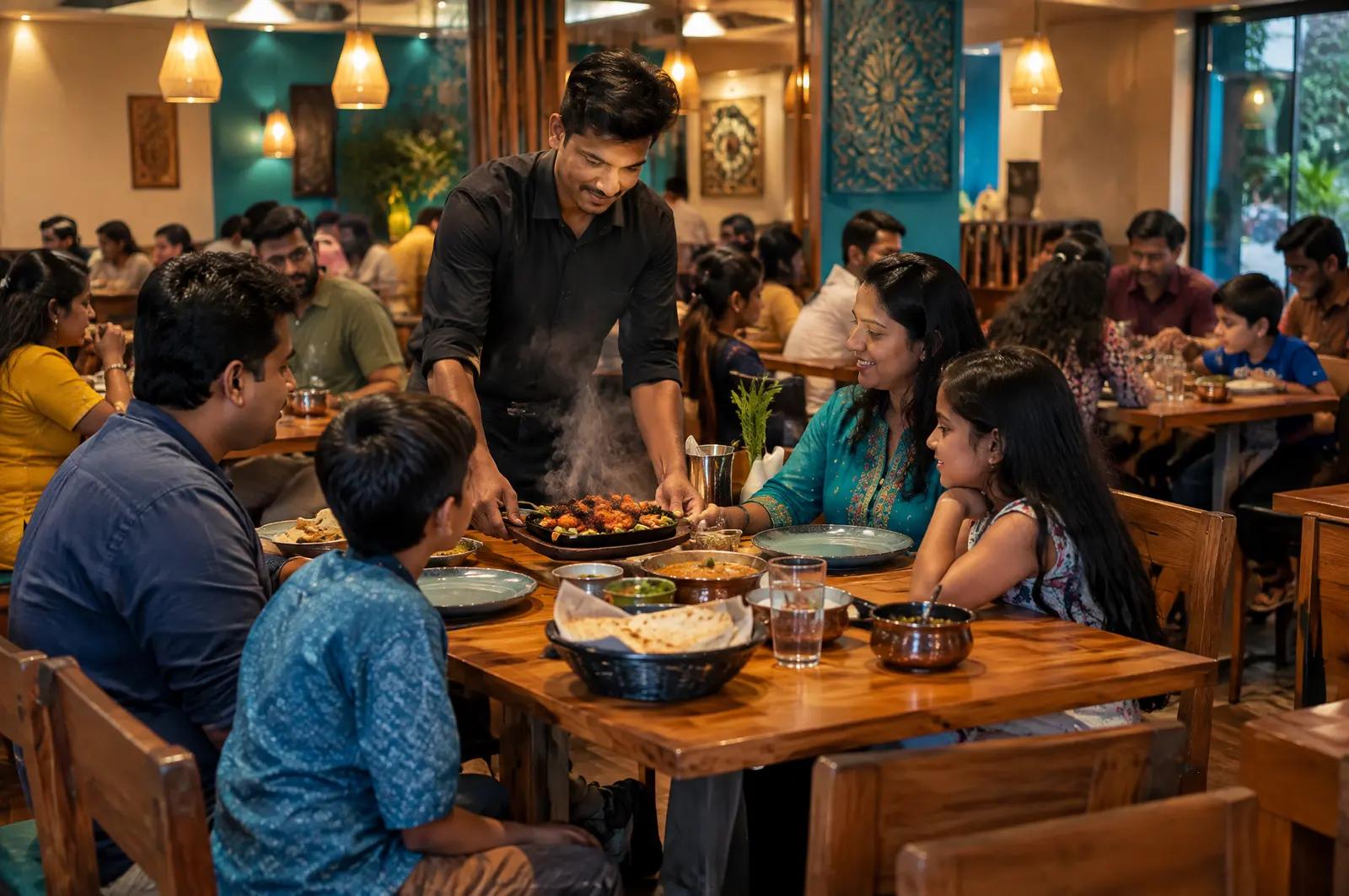
MahashivratriFeb–Mar
Pilgrim crowds fill the lanes around Vishwanath from before dawn. Post satvik and fasting dishes a week ahead, open early if you can, and enter special hours if barricades cut off your lane.
HoliMar
Thandai and gujiya are in demand, and much of the old city stays shut until the afternoon. Name thandai on the menu for the week, enter special hours for the morning, and post when you reopen.
SawanJul–Aug
Kanwariyas and pilgrims fill the city, especially on Mondays, and meat sales fall. Post vegetarian and satvik menus, enter special hours for Monday road closures, and keep the vegetarian attribute accurate.
Navratri and Ramnagar RamlilaSep–Oct
Fasting families look for vrat thalis, and the Ramlila across the river draws evening crowds for weeks. Put a vrat thali on the menu a fortnight before, and if you serve after the performances, post the later closing time.
Dev Deepawali and winterNov–Feb
Dev Deepawali brings the year’s biggest crowds to the ghats, then winter brings malaiyo and the tourist season. Enter special hours for the festival night early, add malaiyo when it starts, and keep English replies prompt for visitors.
Measuring your reach across Varanasi
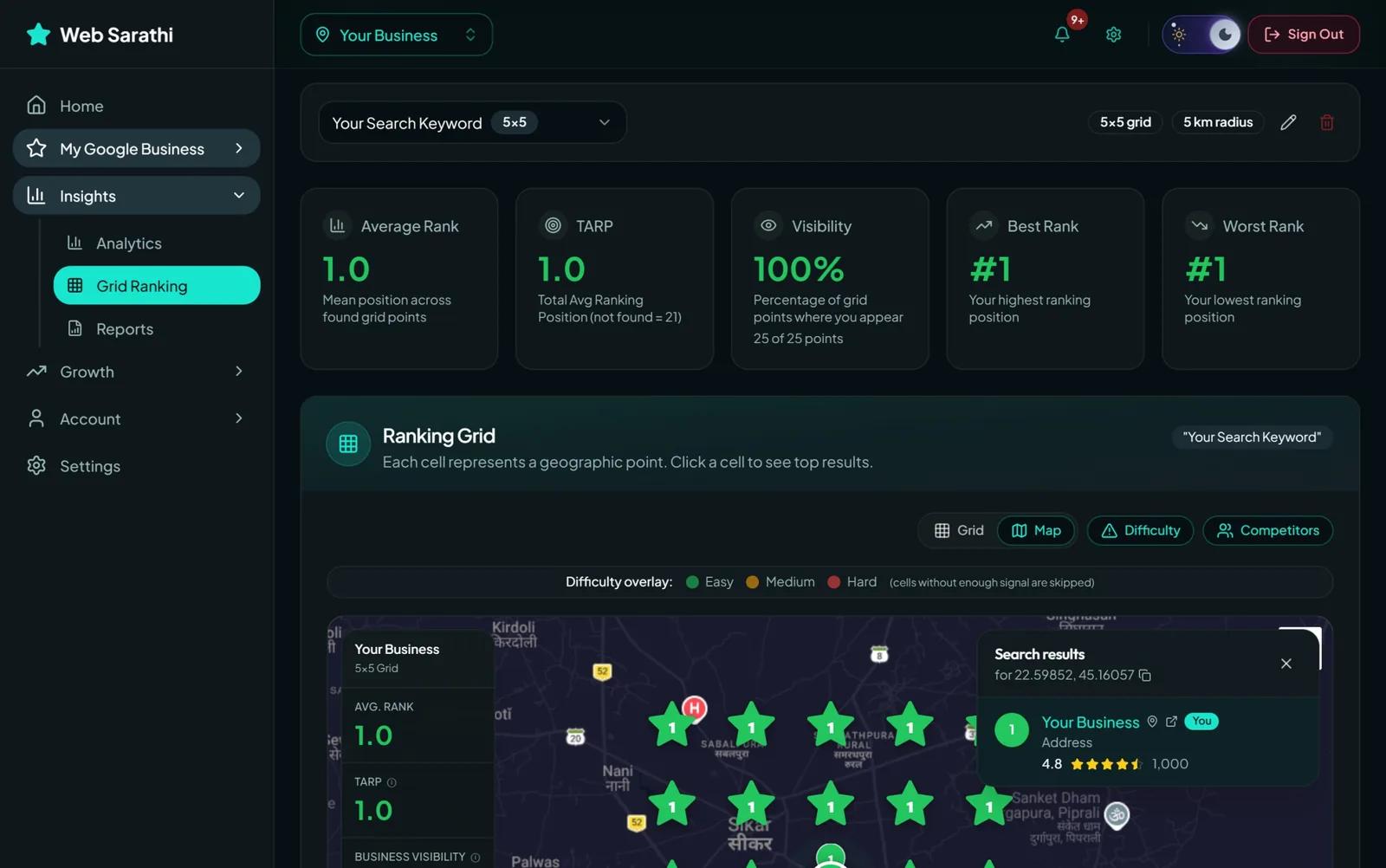
In short: Scan a 7×7 grid over 2 km around your location to see where you appear in the local pack and where a competitor beats you.
Example scan, Varanasi
Example7×7 grid, 2 km radius, points about 650 m apart
Old Varanasi diners walk, so a 2 km radius at 7×7 leaves about 670 metres between points, roughly the gap between neighbouring ghats, and shows how far a walker’s search reaches. Centre it on the restaurant, scan “restaurant near Dashashwamedh” or a dish such as kachori, and expect the eastern points to fall on the river.
In the top three at 14 of 48 points
- Top 3, the local pack14 points
- Ranks 4 to 1014 points
- Ranks 11 to 308 points
- Ranks 31 to 1004 points
- Not in the results8 points
- Your business, at the centre of the scan
Illustration. A real Web Sarathi scan plots your actual Google Maps position at every point, with the businesses ranking above you.
Find out which streets you are actually invisible on
Searching from behind your own counter tells you nothing. Grid ranking measures your Maps position from dozens of points around the restaurant and returns a heat map of your real catchment.
- See how far your visibility actually reaches, street by street
- Track a dish or cuisine keyword over weeks instead of guessing
- Compare honestly against the neighbour you assume is beating you
The restaurant playbook behind this page
In short: Everything on this page applies the national Restaurant SEO guide to Varanasi. These are its core rules.
Varanasi at a glance
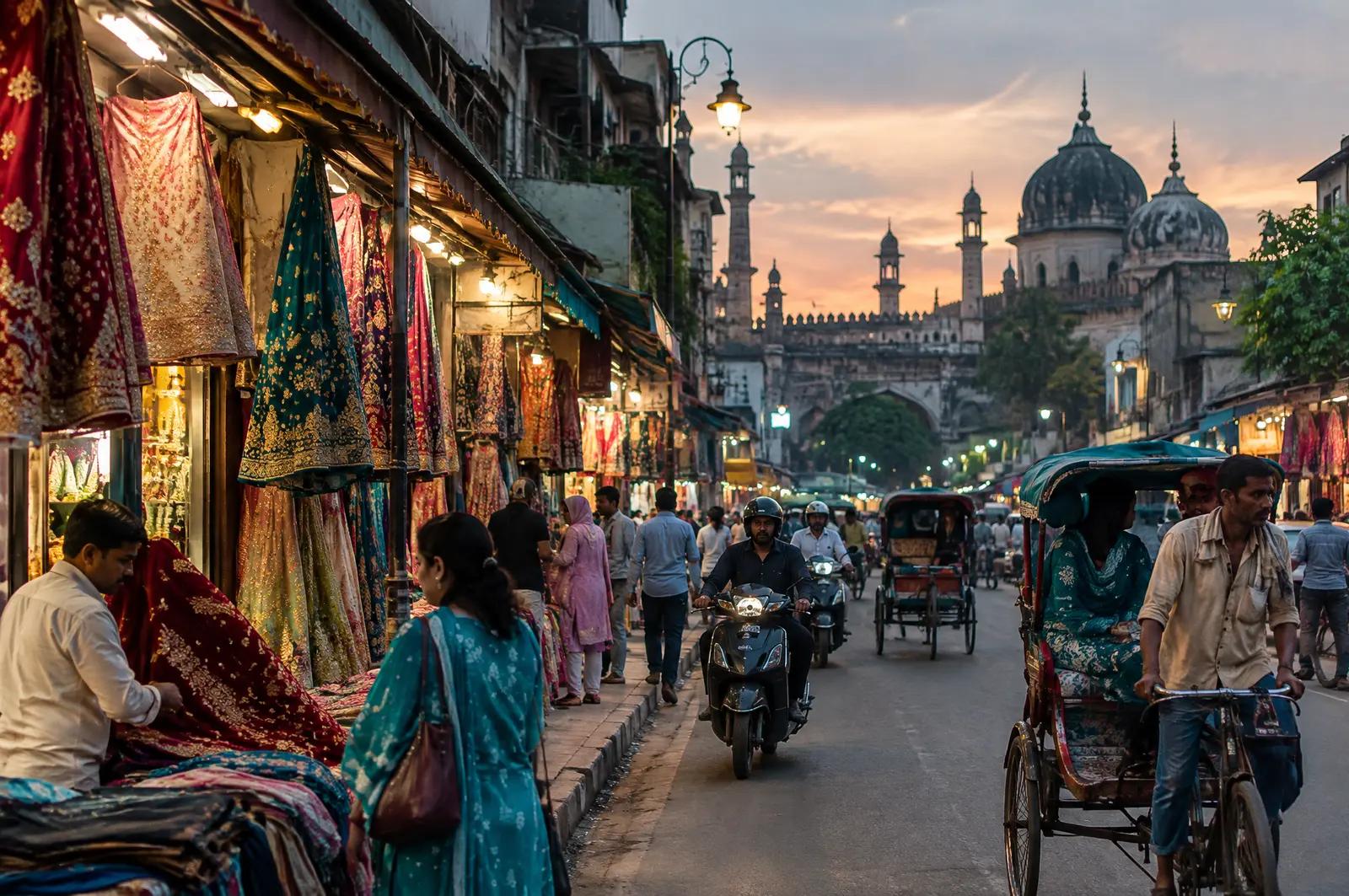
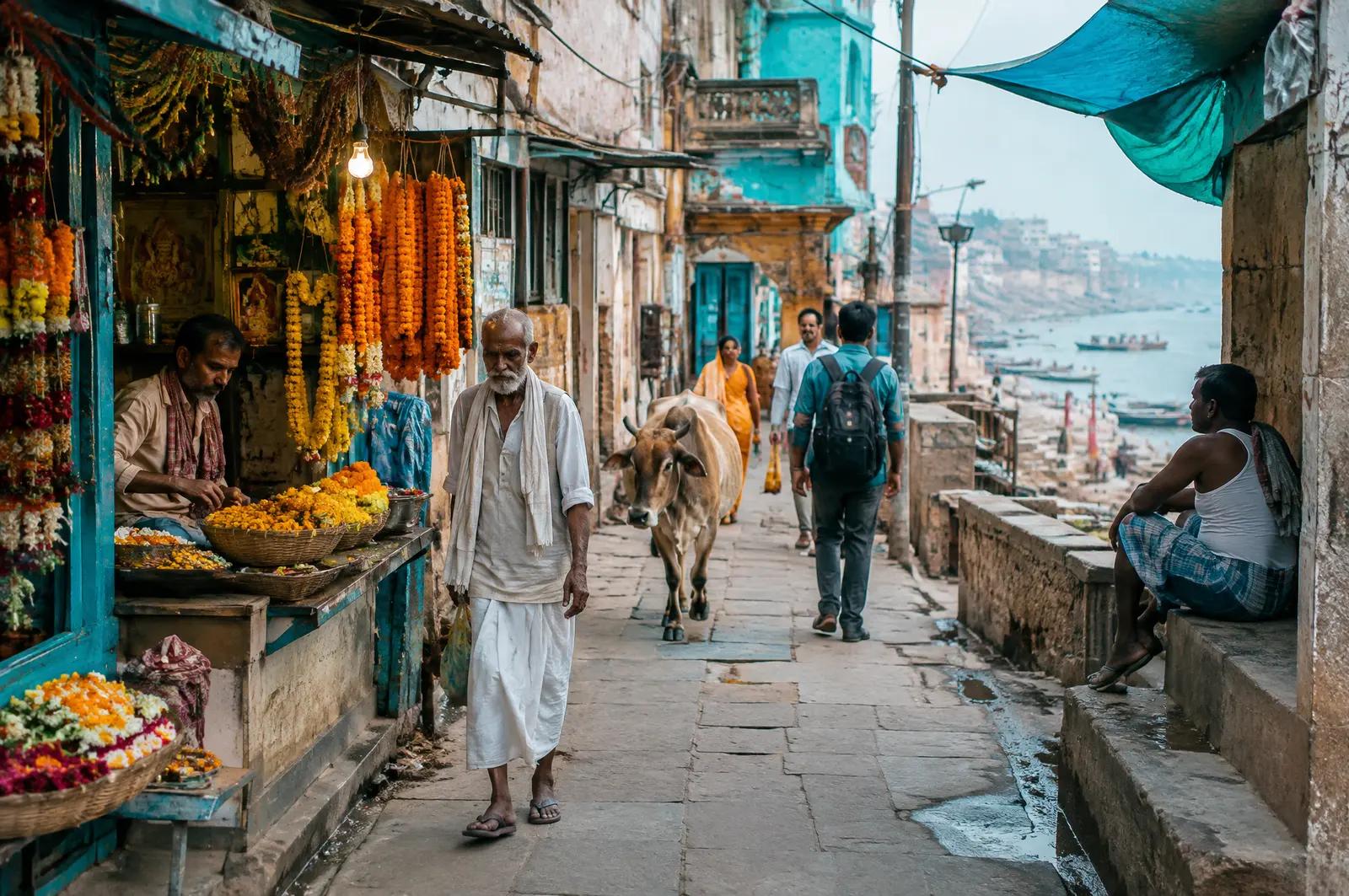
Varanasi’s local economy rests on pilgrimage, tourism and the Banarasi silk trade. The old city along the ghats, around Dashashwamedh, Godowlia and the Kashi Vishwanath temple, is full of guesthouses, boat operators, puja-supply shops, sweet shops and eateries, and weaving families in areas such as Madanpura and Lohta supply the saree trade. Banaras Hindu University and its hospital make Lanka and the area around Assi a busy student and patient market, while Sigra, Mahmoorganj and the Cantonment are the main markets for organised retail, restaurants and clinics.
The city runs along the western bank of the Ganga, and the old city’s lanes near the ghats are too narrow for most vehicles, so visitors move on foot, by e-rickshaw or by boat, and search for whatever is within walking distance. Pilgrims search in Hindi and many other Indian languages, foreign tourists in English, and residents mostly in Hindi and Bhojpuri. Patients and their families come from across eastern Uttar Pradesh and Bihar for treatment and search for rooms, food and pharmacies near the hospitals. Demand peaks around Dev Deepawali, the Sawan month and the winter tourist season.
Narrow lanes near the ghats, crowded crossings such as Godowlia and Lanka, and the long spread from Sarnath to BHU keep most customers within their own part of the city.
Varanasi · 5 zones · 30 localities
Ghats and Old City
- Godowlia
- Dashashwamedh
- Chowk
- Vishwanath Gali
- Thatheri Bazaar
- Bengali Tola
- Maidagin
South Varanasi (Assi and BHU)
- Assi
- Lanka
- Durgakund
- Bhelupur
- Sonarpura
- Sunderpur
- Chitaipur
Central Varanasi
- Sigra
- Mahmoorganj
- Rathyatra
- Luxa
- Lahurabir
- Chetganj
- Gurubagh
Cantonment
- Cantonment
- Nadesar
- Kachehri
- Ardali Bazaar
North Varanasi and Sarnath
- Pandeypur
- Paharia
- Ashapur
- Sarnath
- Shivpur
Searched alongside the city
- Ramnagar
- Pt. Deen Dayal Upadhyaya Nagar (Mughalsarai)
- Babatpur
- Rohania
Restaurant SEO in Varanasi: questions owners ask
Our restaurant is down a narrow gali. How do we stop people giving up?
Give them a route they can follow. Put the pin on the lane entrance, name the nearest ghat and a landmark in the description — a temple, a well-known crossing, a ghat staircase — and upload a photograph from the main lane looking towards your door. Add one taken at the door itself. Reviews that mention the place was easy to find become a quiet advantage in the old city.
We cook without onion and garlic. How do we show that?
Say it in the description in plain words — satvik, no onion, no garlic — and name the dishes as they are. Fill the vegetarian attribute. Pilgrims search those words and read reviews for confirmation, so reply warmly when a reviewer mentions it. Do not claim it for a kitchen that cooks some dishes with onion; a single complaint about that does real damage.
Is it worth posting during Dev Deepawali if we are full anyway?
Yes, though for a different reason. On the night itself you will be full; the post is for the following days, when visitors who stayed on look for a meal. Post your festival hours and any changed access a week ahead, photograph the room and the lit ghats that evening if you can, and reply to every review before the weekend.
Foreign travellers at Assi review us in English. Does that help with Hindi-speaking diners?
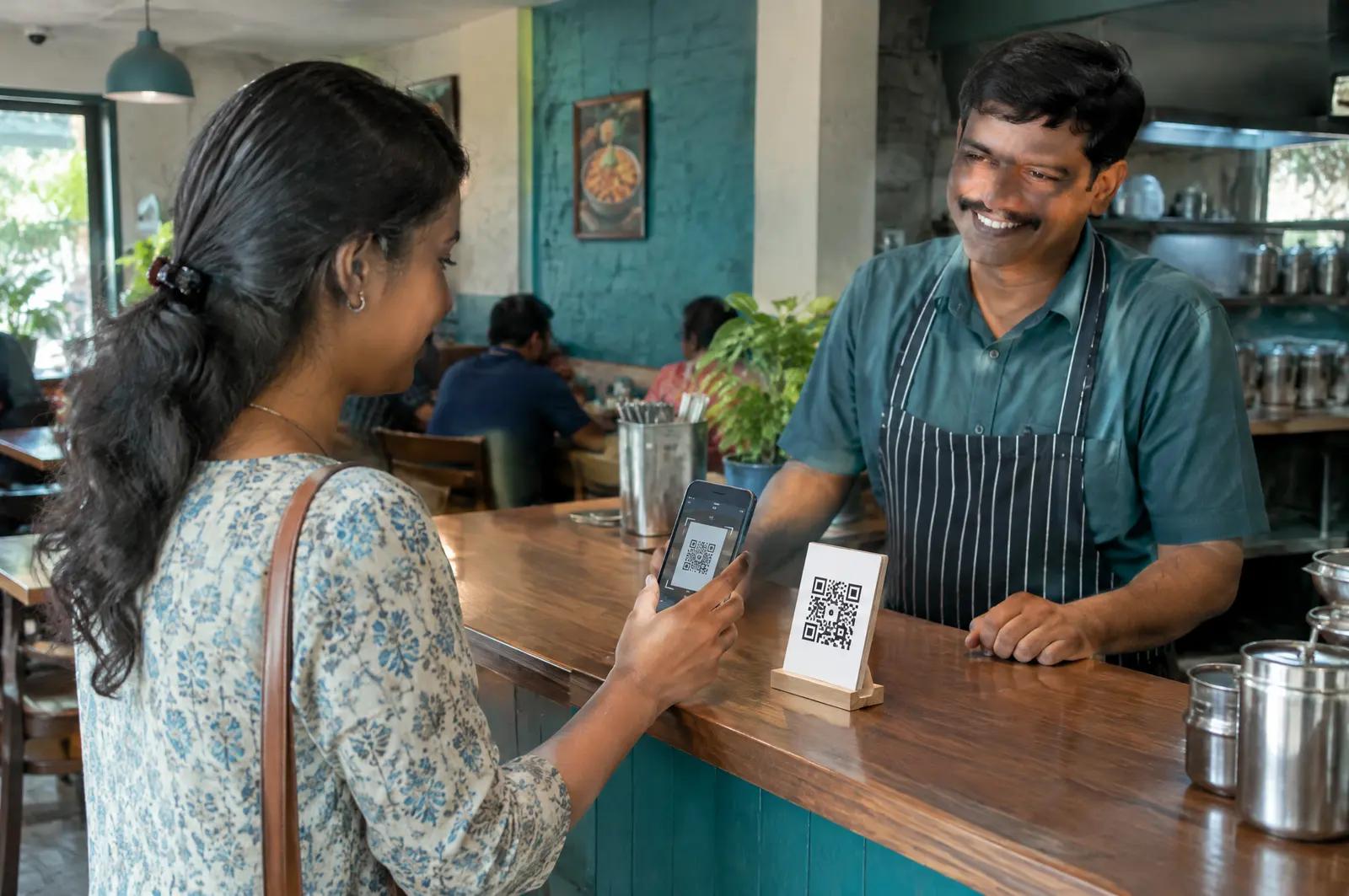
Not directly, because each group mostly reads reviews in its own language. Answer each review in the language it came in, and ask Indian visitors for reviews too, with a QR code on the table that opens your review page. A mix of reviews in both languages shows the café works for everyone, which matters at Assi more than elsewhere.
Which areas of Varanasi matter most for a restaurant business?
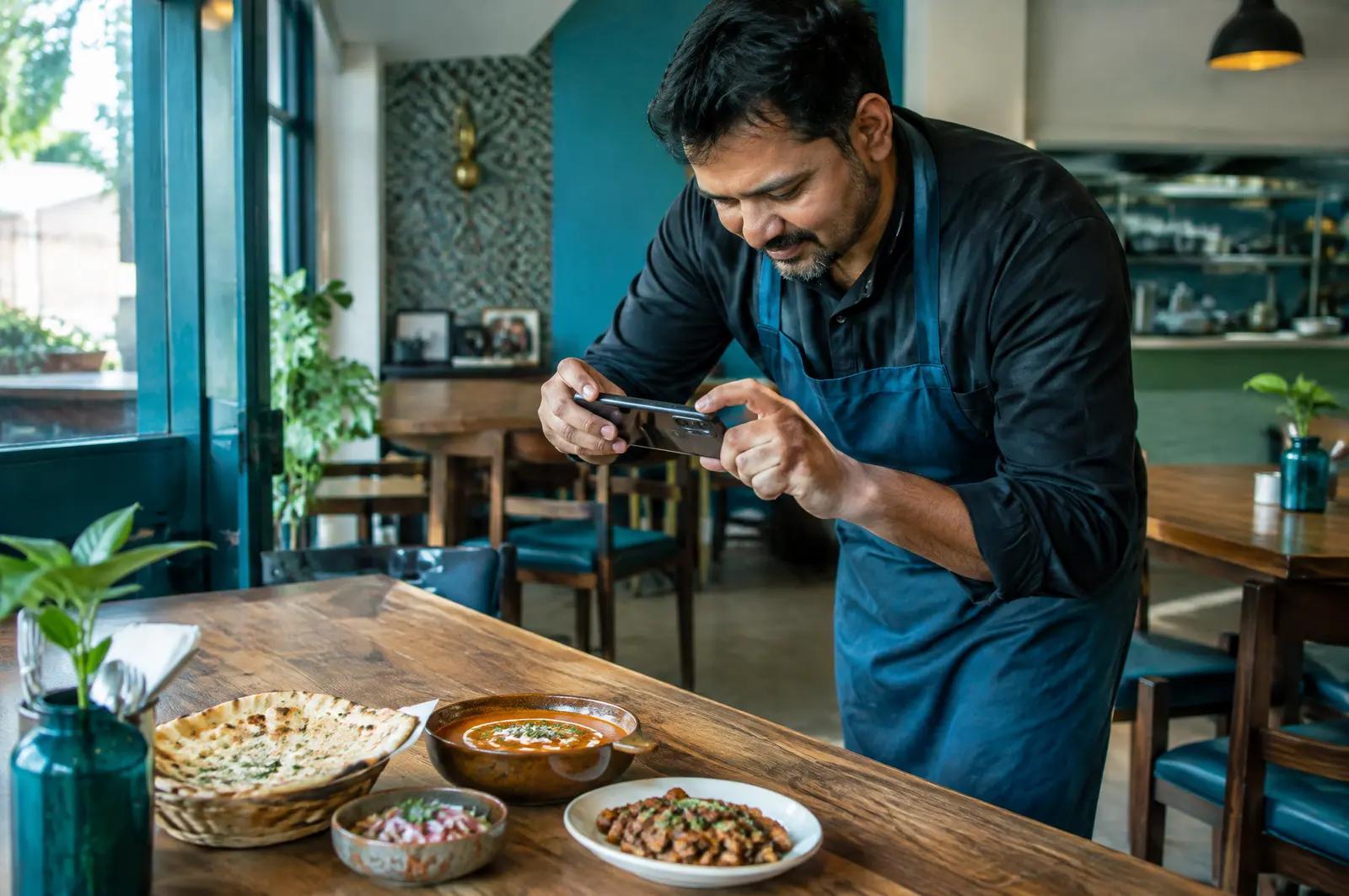
Start with Godowlia and Dashashwamedh, Vishwanath Gali and Kachori Gali and Assi and Bhadaini. In Godowlia and Dashashwamedh: The busiest approach to the main ghat fills before and after the evening aarti; restaurants here win on findability, hygiene and late hours, and on photographs taken from the lane rather than inside. Check your Google Maps position in each area separately, because ranking in one does not carry over to the next.
How do people in Varanasi search for a restaurant on Google?
They name the area as well as the service, in Hindi, Bhojpuri and English. Typical searches include “godowlia mein kachori jalebi subah” and “tamatar chaat kahan milegi”. To win “godowlia mein kachori jalebi subah”, your profile has to show the dawn opening time, the dishes named with prices.
When is the busiest season for restaurant businesses in Varanasi?
Demand in Varanasi moves with Mahashivratri (Feb–Mar), Holi (Mar) and Sawan (Jul–Aug). Pilgrim crowds fill the lanes around Vishwanath from before dawn. Post satvik and fasting dishes a week ahead, open early if you can, and enter special hours if barricades cut off your lane.
How should a restaurant business in Varanasi measure its Google Maps ranking?
Scan a 7×7 grid over 2 km around your location rather than searching from your own premises. Old Varanasi diners walk, so a 2 km radius at 7×7 leaves about 670 metres between points, roughly the gap between neighbouring ghats, and shows how far a walker’s search reaches. Centre it on the restaurant, scan “restaurant near Dashashwamedh” or a dish such as kachori, and expect the eastern points to fall on the river.
How does Web Sarathi help a restaurant business in Varanasi?
Web Sarathi audits your Google Business Profile on day one, gives you a short daily task list of about ten minutes, collects reviews through a QR code, drafts replies in the reviewer’s own language — including Hindi and Bhojpuri — and maps your ranking across Varanasi so you can see which areas you are winning. You can start with a free audit.