Multi-Location SEO in Delhi: the short version
Where branch demand concentrates in Delhi
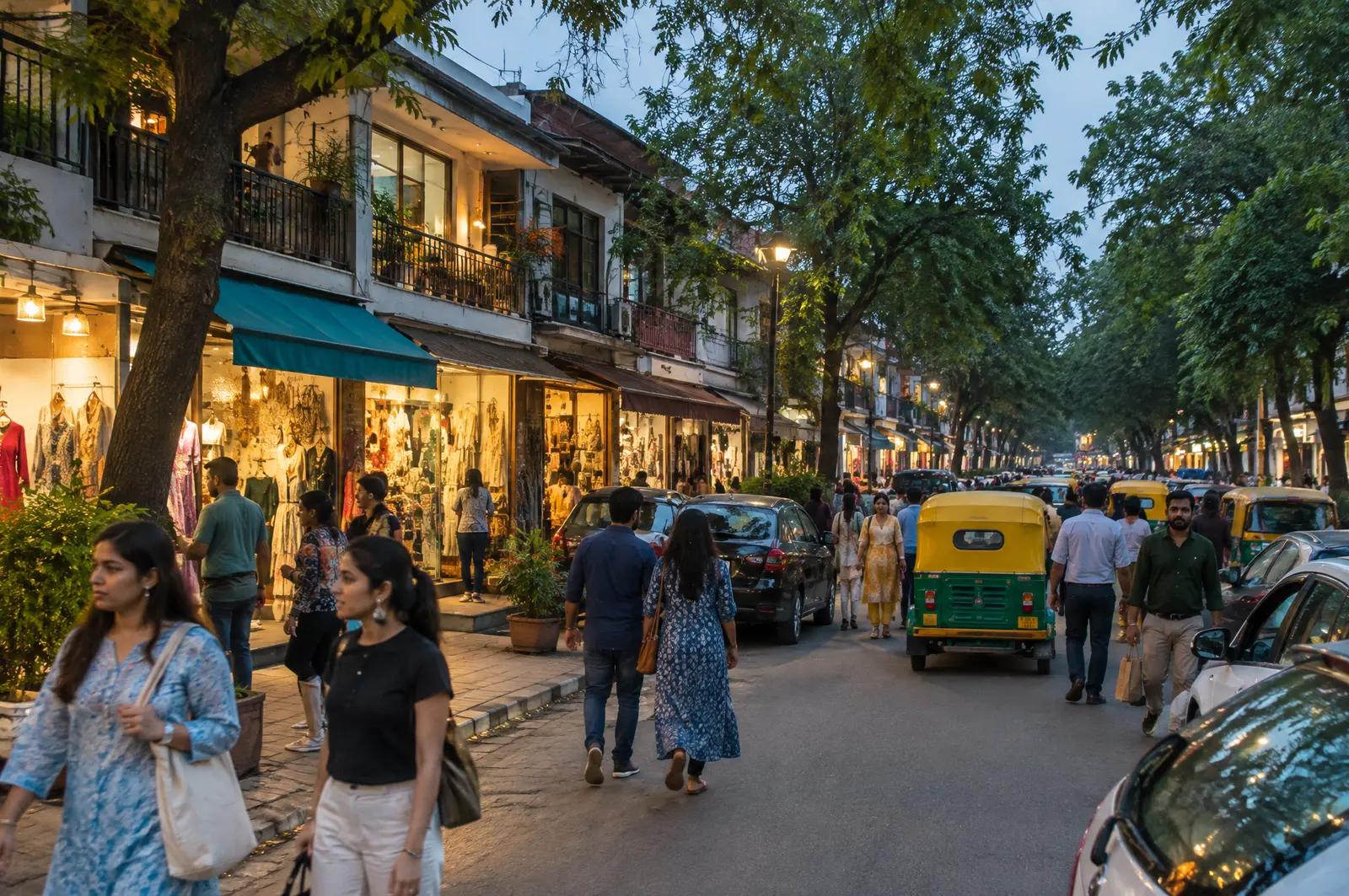
In short: In Delhi, the areas that matter most for branch businesses are Lajpat Nagar and South Extension, Connaught Place, Rajouri Garden and 3 more below. Rank in each one separately; a single search from your own counter tells you nothing about them.
Delhi · 6 areas to check one by one
How people in Delhi search for a nearby branch
In short: People in Delhi search in Hindi, English, Punjabi, and they name the area, not just the service. Your profile has to match the words they actually type.
What makes Delhi different
In short: What changes in Delhi: Neighbouring markets are one catchment · Franchise listings outlive franchisees · The Yamuna and the Metro set the edges.
The Delhi branch calendar
In short: Demand in Delhi moves with Holi (Mar), Summer heat (May–Jun), Navratri, Karva Chauth and Diwali (Oct–Nov). Prepare your profile two to three weeks before each one.

HoliMar
Many outlets close or open late on the day itself. Set special hours across the location group the week before, with exceptions for any branch that trades normally, and confirm afterwards that no branch was left showing closed.
Summer heatMay–Jun
Afternoon footfall thins and some outlets shift their hours. Change hours only on the branches that actually change, and use the slower weeks to clear reply backlogs and refresh outlet photographs.
Navratri, Karva Chauth and DiwaliOct–Nov
The heaviest stretch of the year. Push genuinely shared festival hours through the location group a fortnight ahead, keep mall outlets on their own timings, and keep openings and any bulk verification submission out of these weeks.
Wedding seasonNov–Feb
Market evenings run late through the wedding months, and review volume climbs with them. Keep hours honest per outlet and watch the oldest unanswered review at each branch, because a silent outlet shows quickly.
Measuring your reach across Delhi
In short: Scan a 9×9 grid over 4 km around your location to see where you appear in the local pack and where a competitor beats you.
Example scan, Delhi
Example9×9 grid, 4 km radius, points about 1 km apart
Delhi markets pull from further than one colony, so 4 km at 9×9 spaces points about a kilometre apart. Centre it between two neighbouring outlets — Lajpat Nagar and South Extension, say — and scan both listings on one keyword. A clean boundary means each holds its market; patches where they alternate mean the listings need differentiating.
In the top three at 19 of 80 points
- Top 3, the local pack19 points
- Ranks 4 to 1027 points
- Ranks 11 to 3012 points
- Ranks 31 to 10012 points
- Not in the results10 points
- Your business, at the centre of the scan
Illustration. A real Web Sarathi scan plots your actual Google Maps position at every point, with the businesses ranking above you.
See the boundary line between two of your own branches
A single rank number cannot show you that two outlets are trading one catchment. Grid ranking measures each location across dozens of surrounding points, so overlaps, gaps and genuine white space become visible.
- Find out whether a drop is a competitor or the branch you just opened
- Spot real coverage gaps before committing to a new location
- Compare outlets on coverage rather than on a position taken from one spot
The branch playbook behind this page
In short: Everything on this page applies the national Multi-Location SEO guide to Delhi. These are its core rules.

Delhi at a glance
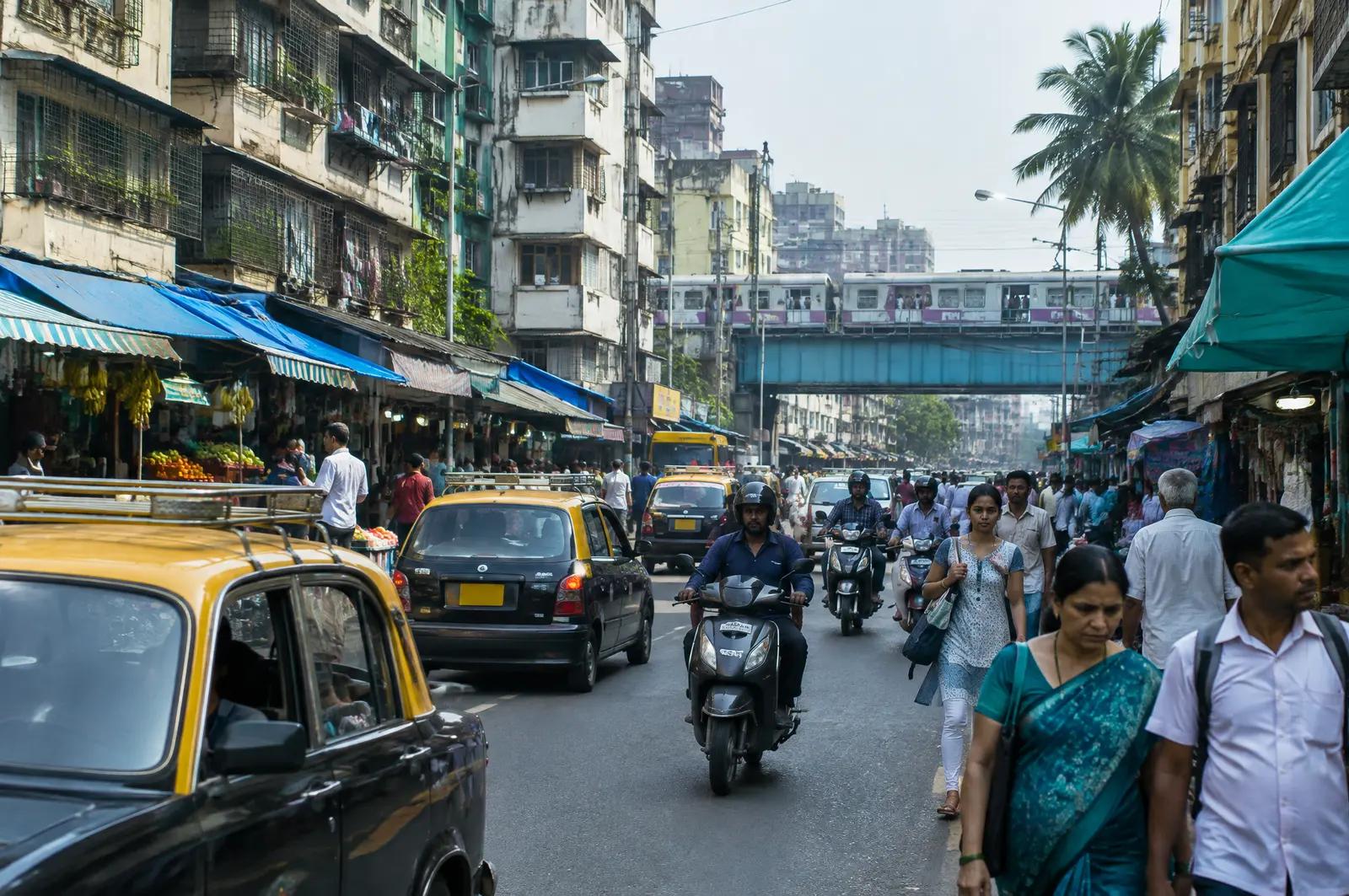
Delhi is a city of markets. Most residential colonies have a market of their own, and the bigger shopping hubs range from the wholesale lanes of Chandni Chowk, Sadar Bazaar and Karol Bagh to Lajpat Nagar, Kamla Nagar and Rajouri Garden, and the more upmarket centres of South Delhi such as Khan Market, Greater Kailash and Hauz Khas. Local businesses depend heavily on the families living close to their market, and clinics, salons, coaching centres, gyms and restaurants tend to cluster in the same market blocks, so competition is often visible on a single street.
The city is spread out, split by the Yamuna and crossed by heavy arterial roads, and that shapes who appears in a “near me” search. East Delhi residents rarely cross the river for routine services, and people in Dwarka or Rohini usually look close to home. The Metro has widened the catchment of businesses near major stations, which is why many customers add a station, block or market name to their search. Gurugram and Noida behave as separate markets even though many residents commute between them and Delhi every day.
The Yamuna splits East Delhi from the rest of the city, and congestion on the Ring Road and Outer Ring Road keeps most customers within their own part of town, with Metro stations stretching that range for businesses close to them.
Delhi · 6 zones · 35 localities
Central and Old Delhi
- Connaught Place
- Karol Bagh
- Chandni Chowk
- Paharganj
- Daryaganj
North and North-West Delhi
- Civil Lines
- Kamla Nagar
- Model Town
- Pitampura
- Rohini
- Shalimar Bagh
- Ashok Vihar
South Delhi
- Greater Kailash
- Hauz Khas
- Saket
- Malviya Nagar
- Lajpat Nagar
- Defence Colony
- Green Park
West Delhi
- Rajouri Garden
- Janakpuri
- Punjabi Bagh
- Tilak Nagar
- Vikaspuri
- Paschim Vihar
South-West Delhi
- Dwarka
- Palam
- Mahipalpur
- Najafgarh
East Delhi
- Laxmi Nagar
- Preet Vihar
- Mayur Vihar
- Patparganj
- Shahdara
- Krishna Nagar
Searched alongside the city
- Ghaziabad
- Faridabad
- Sonipat

Multi-Location SEO in Delhi: questions owners ask
Our Lajpat Nagar outlet dropped after we opened in South Extension. Is that a competitor?
Probably not. A drop that coincides with your own opening is the classic sign of two outlets splitting one catchment, and these two markets are close enough to do it. Google generally shows one result per business for a query, so a searcher between them sees only one. Differentiate the listings on what is actually different, then measure where the boundary falls.
A former franchisee still controls our Karol Bagh listing. What can we do?
Request ownership of the listing through Google and treat it as an urgent governance fix rather than a marketing task. Then change the structure so it cannot recur: the brand entity holds primary ownership of every listing, franchisees get manager access, and the agreement forbids them from creating additional listings for the location when they leave.
Can our listings carry the market name, like Brand Name Rajouri Garden?
No. The business name should be the name you trade under, and adding a locality is one of the most reliably enforced violations on Maps. It also rules out bulk verification, which needs the same name across every location. Put the market name in the address, where customers and Google expect it, and in the description and location page.
Is a branch in East Delhi worth it if we already have three in South Delhi?
Often, because South Delhi branches rarely appear for East Delhi searchers. The Yamuna separates the two for routine purchases, so the real question is whether East Delhi has demand you are not reaching at all. A scan centred on Laxmi Nagar or Preet Vihar shows whether any existing outlet appears there; if none does, it is a gap, not an overlap.
Which areas of Delhi matter most for a branch business?
Start with Lajpat Nagar and South Extension, Connaught Place and Rajouri Garden. In Lajpat Nagar and South Extension: Two of South Delhi’s busiest markets sit either side of the Ring Road, and many brands run an outlet in each; identical listings make them swap positions week to week for the same searchers. Check your Google Maps position in each area separately, because ranking in one does not carry over to the next.
How do people in Delhi search for a nearby branch on Google?
They name the area as well as the service, in Hindi, English and Punjabi. Typical searches include “diagnostic lab near rajouri garden metro” and “lajpat nagar mein [brand] kahan hai”. To win “diagnostic lab near rajouri garden metro”, your profile has to show opening time, the nearest Metro station in the description, and that branch’s own reviews.
When is the busiest season for branch businesses in Delhi?
Demand in Delhi moves with Holi (Mar), Summer heat (May–Jun) and Navratri, Karva Chauth and Diwali (Oct–Nov). Many outlets close or open late on the day itself. Set special hours across the location group the week before, with exceptions for any branch that trades normally, and confirm afterwards that no branch was left showing closed.
How should a branch business in Delhi measure its Google Maps ranking?
Scan a 9×9 grid over 4 km around your location rather than searching from your own premises. Delhi markets pull from further than one colony, so 4 km at 9×9 spaces points about a kilometre apart. Centre it between two neighbouring outlets — Lajpat Nagar and South Extension, say — and scan both listings on one keyword. A clean boundary means each holds its market; patches where they alternate mean the listings need differentiating.
How does Web Sarathi help a branch business in Delhi?
Web Sarathi audits your Google Business Profile on day one, gives you a short daily task list of about ten minutes, collects reviews through a QR code, drafts replies in the reviewer’s own language — including Hindi and English — and maps your ranking across Delhi so you can see which areas you are winning. You can start with a free audit.