5 zones
32 localities to track
Searched in
- Marathi
- Hindi
- English
- Gujarati
Wedding season
Nov–Feb, Apr–May
Monsoon
Jun–Sep
18 industry guides
Guides for Mumbai businesses
Each one covers the localities, search phrasing and seasonal calendar for that trade in Mumbai.

Real Estate SEO in Mumbai
Read the guide
Hotel SEO in Mumbai
Read the guide
Restaurant SEO in Mumbai
Read the guide
Travel Agency SEO in Mumbai
Read the guide
Pest Control SEO in Mumbai
Read the guide
Salon SEO in Mumbai
Read the guide
Clinic SEO in Mumbai
Read the guide
Multi-Location SEO in Mumbai
Read the guide
Gym SEO in Mumbai
Read the guide
Interior Design SEO in Mumbai
Read the guide
Coaching Institute SEO in Mumbai
Read the guide
Packers and Movers SEO in Mumbai
Read the guide
Auto Repair SEO in Mumbai
Read the guide
Wedding Planner SEO in Mumbai
Read the guide
Dental Clinic SEO in Mumbai
Read the guide
Physiotherapy Clinic SEO in Mumbai
Read the guide
Bakery SEO in Mumbai
Read the guide
Yoga Studio SEO in Mumbai
Read the guide
Where demand sits
Mumbai, zone by zone
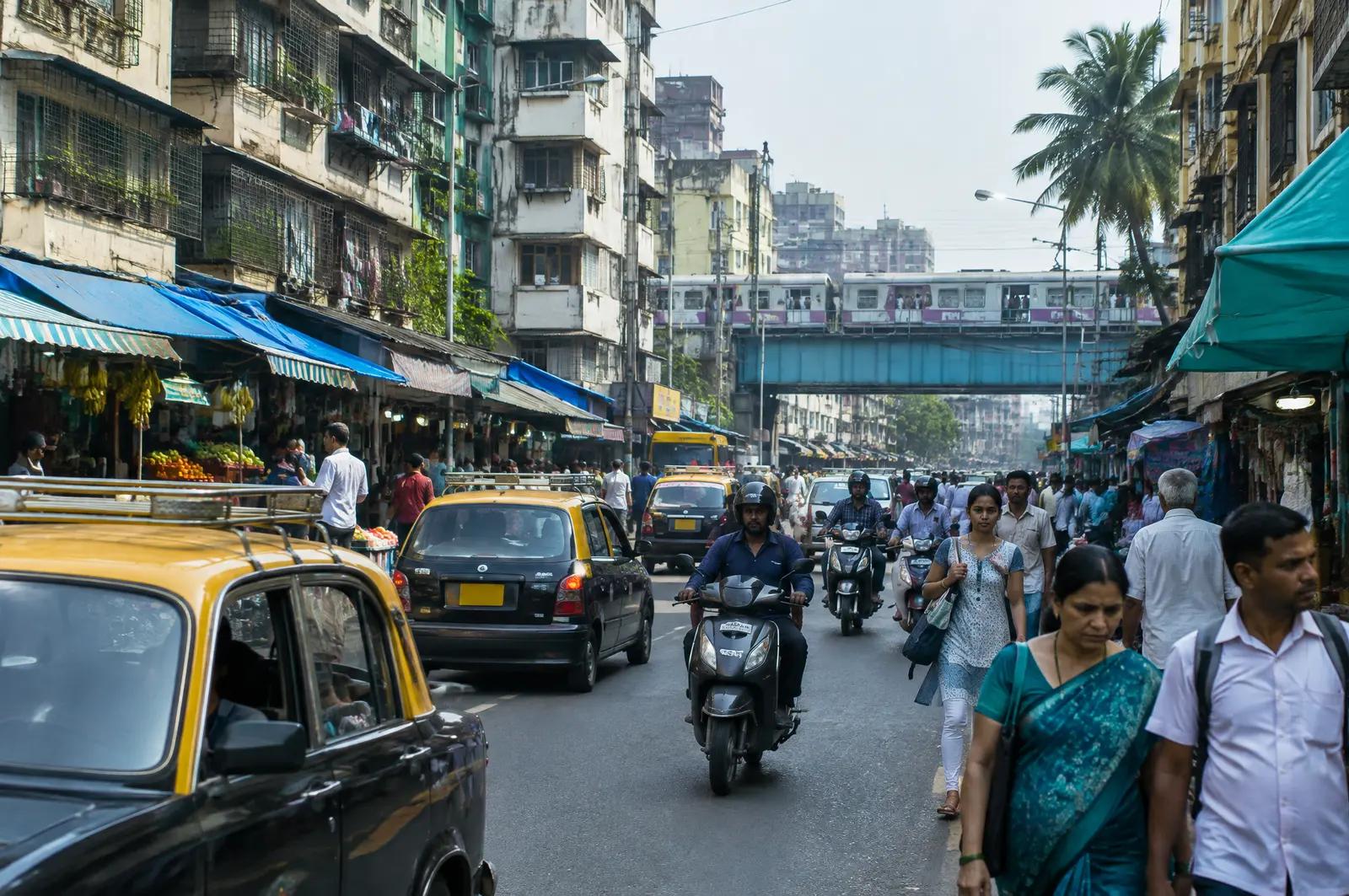
Most people move along the Western, Central and Harbour rail lines, so customers rarely travel far for routine needs and tend to think in terms of their own station. A “near me” search in Andheri West returns a very different set of businesses from one in Ghatkopar, even though the two are not far apart on a map. Searchers often type a locality or station name instead of the city, so a profile that names its neighbourhood clearly is easier to match to those queries. Thane, Navi Mumbai and Mira-Bhayandar behave as separate markets.
Travel along a rail line is easy but crossing east–west between suburbs is slow, so most customers stick to businesses within a station or two of home or work.
South Mumbai
- Colaba
- Fort
- Churchgate
- Marine Lines
- Girgaon
- Malabar Hill
- Tardeo
Central Mumbai
- Dadar
- Parel
- Lower Parel
- Worli
- Prabhadevi
- Matunga
- Sion
Western Suburbs
- Bandra
- Khar
- Santacruz
- Vile Parle
- Juhu
- Andheri
- Goregaon
North Mumbai
- Malad
- Kandivali
- Borivali
- Dahisar
Eastern Suburbs
- Kurla
- Chembur
- Ghatkopar
- Vikhroli
- Powai
- Bhandup
- Mulund
Searched alongside the city
- Thane
- Navi Mumbai
- Mira-Bhayandar
- Vasai-Virar
- Kalyan-Dombivli
When demand moves
The Mumbai calendar
Wedding season runs Nov–Feb, Apr–May; the monsoon, Jun–Sep. These are the festivals that move local demand.
Ganeshotsav · Aug–Sep
Navratri · Sep–Oct
Diwali · Oct–Nov
Gudi Padwa · Mar–Apr
Christmas and New Year · Dec
Wedding season · Nov–Feb, Apr–May
Monsoon · Jun–Sep
Local SEO in Mumbai: questions owners ask
Which areas of Mumbai should a local business track on Google Maps?
Track the areas your customers actually come from, not the whole city. Mumbai splits into South Mumbai, Central Mumbai, Western Suburbs, North Mumbai, Eastern Suburbs, and ranking in one does not carry over to the next. Travel along a rail line is easy but crossing east–west between suburbs is slow, so most customers stick to businesses within a station or two of home or work. A grid scan around your location shows which of these areas you appear in and which you do not.
Which languages do people in Mumbai search and review in?
Mostly Marathi, Hindi, English, Gujarati. Reviews arrive in whichever language the customer thinks in, often mixed with English. Replying in the same language as the review keeps those local words on your profile, and Web Sarathi drafts replies in the reviewer’s own language by default.
When is the busiest season for local businesses in Mumbai?
It depends on the trade, but the dates that move demand across Mumbai are Ganeshotsav (Aug–Sep), Navratri (Sep–Oct), Diwali (Oct–Nov), Gudi Padwa (Mar–Apr), Christmas and New Year (Dec), plus the wedding season (Nov–Feb, Apr–May) and the monsoon (Jun–Sep), when footfall usually drops. The industry guides below say what each one means for your business.
Does the monsoon change how customers find local businesses in Mumbai?
Yes. During the monsoon (Jun–Sep) people travel less and search closer to home, so the businesses nearest to them — and with current hours and recent photos — win more of the “near me” searches. Update your hours, post regularly and keep replying to reviews through those months.
Do customers in Thane, Navi Mumbai and Mira-Bhayandar see Mumbai businesses on Google Maps?
Only the ones close enough to them. Google ranks by distance as well as relevance, so a Mumbai business usually needs its own reviews, posts and service areas pointing at Thane to appear there. A grid scan across your radius shows whether you reach it.
Does Web Sarathi have a guide for my industry in Mumbai?
There are 18 industry guides for Mumbai so far: Real Estate, Hotel, Restaurant, Travel Agency, Pest Control, Salon, Clinic, Multi-Location, Gym, Interior Design, Coaching Institute, Packers and Movers, Auto Repair, Wedding Planner, Dental Clinic, Physiotherapy Clinic, Bakery, Yoga Studio. Each one covers the localities, search phrasing and seasonal calendar for that trade in Mumbai.
More in West India