Physiotherapy Clinic SEO in Mumbai: the short version
Where physiotherapy demand concentrates in Mumbai
In short: In Mumbai, the areas that matter most for physiotherapy businesses are Parel and Lower Parel, Dadar and Shivaji Park, Girgaon and Matunga and 4 more below. Rank in each one separately; a single search from your own counter tells you nothing about them.
Mumbai · 7 areas to check one by one
How people in Mumbai search for a physiotherapist
In short: People in Mumbai search in Marathi, Hindi, English, and they name the area, not just the service. Your profile has to match the words they actually type.
What makes Mumbai different
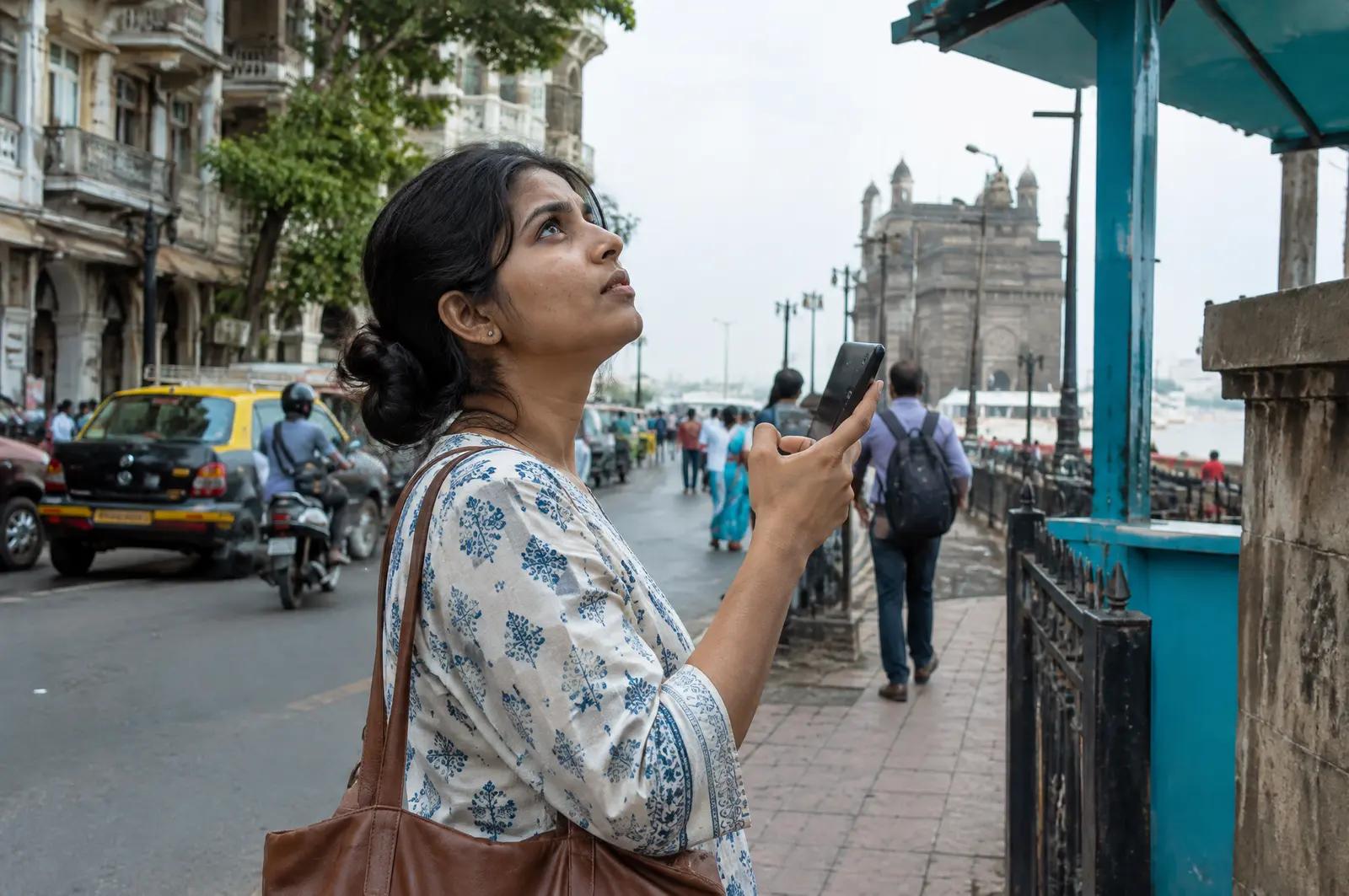
In short: What changes in Mumbai: The course is the commute · Monsoon is a dropout season · Old buildings create the home-visit market.
The Mumbai physiotherapy calendar
In short: Demand in Mumbai moves with Mumbai Marathon (Jan), Monsoon (Jun–Sep), Ganeshotsav (Aug–Sep). Prepare your profile two to three weeks before each one.
Mumbai MarathonJan
Runners who trained through December arrive with knee, shin and calf complaints around the January race. List sports rehabilitation with named injuries from November, while training is still under way and runners are searching.
MonsoonJun–Sep
Attendance suffers, not ranking. Post on heavy-rain mornings that you are open, hold home-visit slots for patients mid-course, and use quieter weeks to photograph equipment and practitioners at work.
GaneshotsavAug–Sep
Pandals and processions close lanes for ten days, affecting clinic access and home visits alike. Publish adjusted hours a week ahead and tell home-visit patients about timing changes before the first procession.
DiwaliOct–Nov
Many patients plan to “continue after Diwali” and never do. Agree a restart date before the break, call on that date, and set special hours so Google does not show you open when you are closed.
Measuring your reach across Mumbai
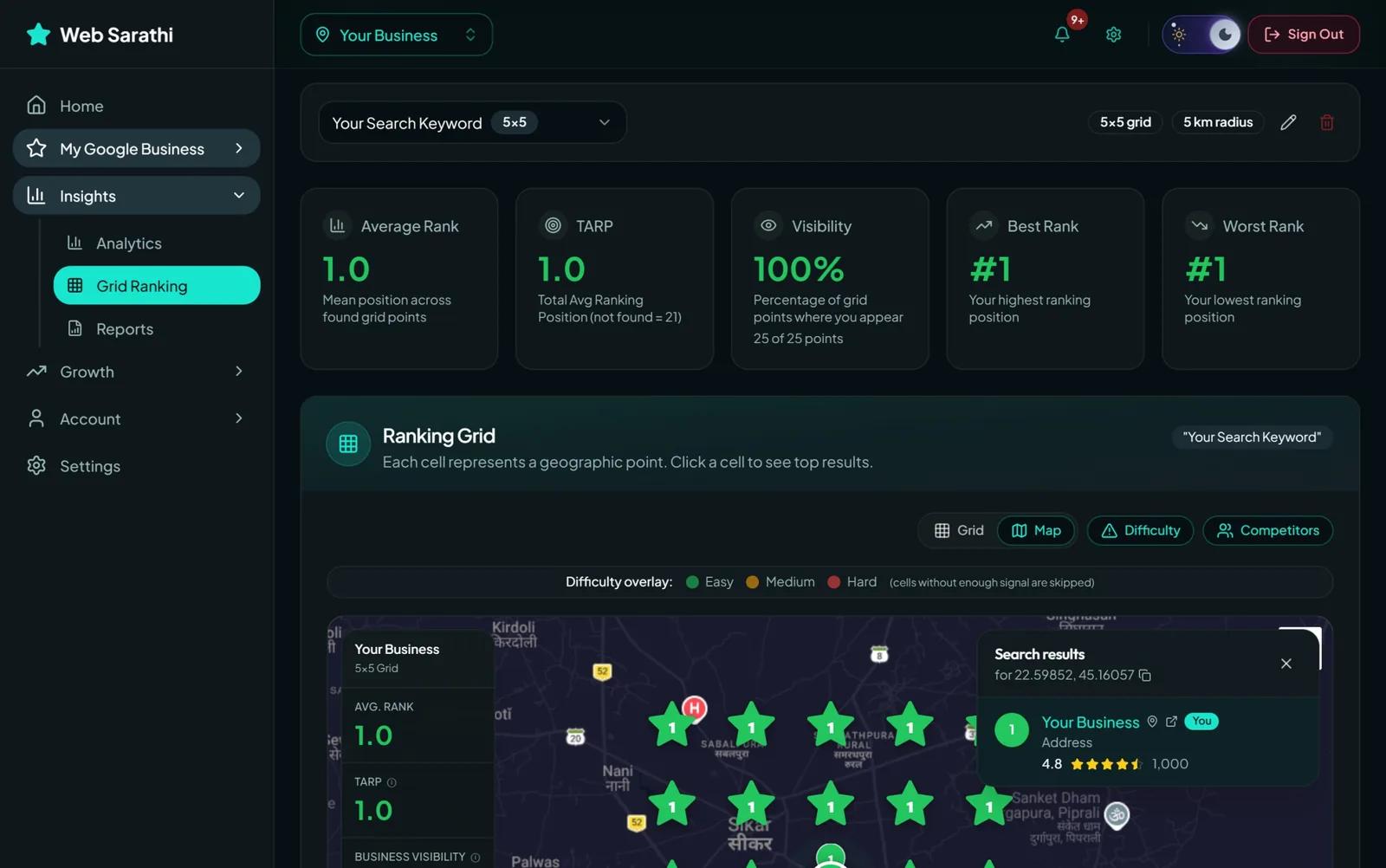
In short: Scan a 7×7 grid over 2 km around your location to see where you appear in the local pack and where a competitor beats you.
Example scan, Mumbai
Example7×7 grid, 2 km radius, points about 650 m apart
A three-visits-a-week patient in Mumbai rarely travels far, so 2 km at 7×7, with points about 670 metres apart, matches a station’s walking catchment. Centre the scan on the clinic and look for the sharp drop at the railway line; repeat it centred on your busiest home-visit pocket.
In the top three at 14 of 48 points
- Top 3, the local pack14 points
- Ranks 4 to 1014 points
- Ranks 11 to 308 points
- Ranks 31 to 1004 points
- Not in the results8 points
- Your business, at the centre of the scan
Illustration. A real Web Sarathi scan plots your actual Google Maps position at every point, with the businesses ranking above you.
Home visits only work when they cluster
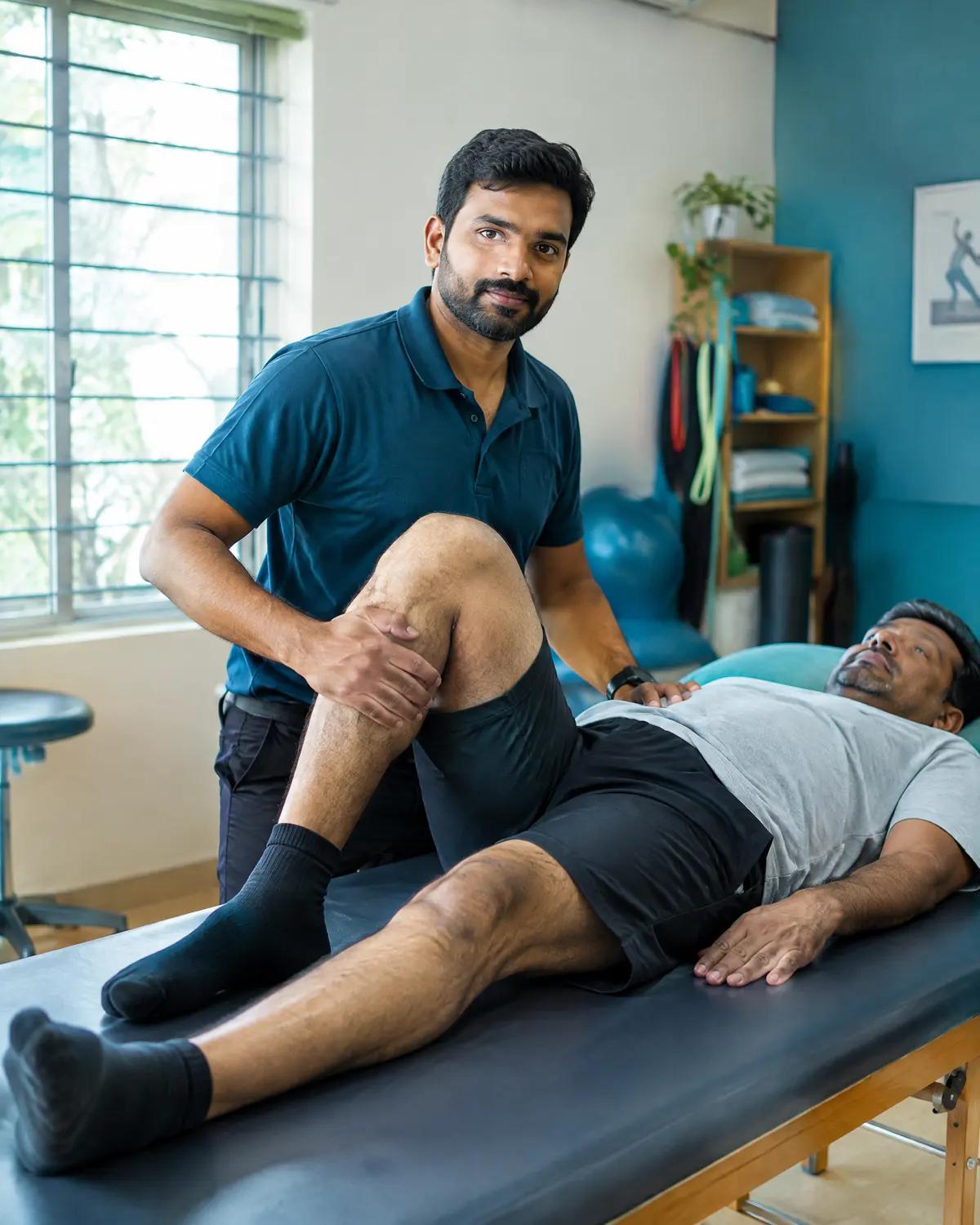
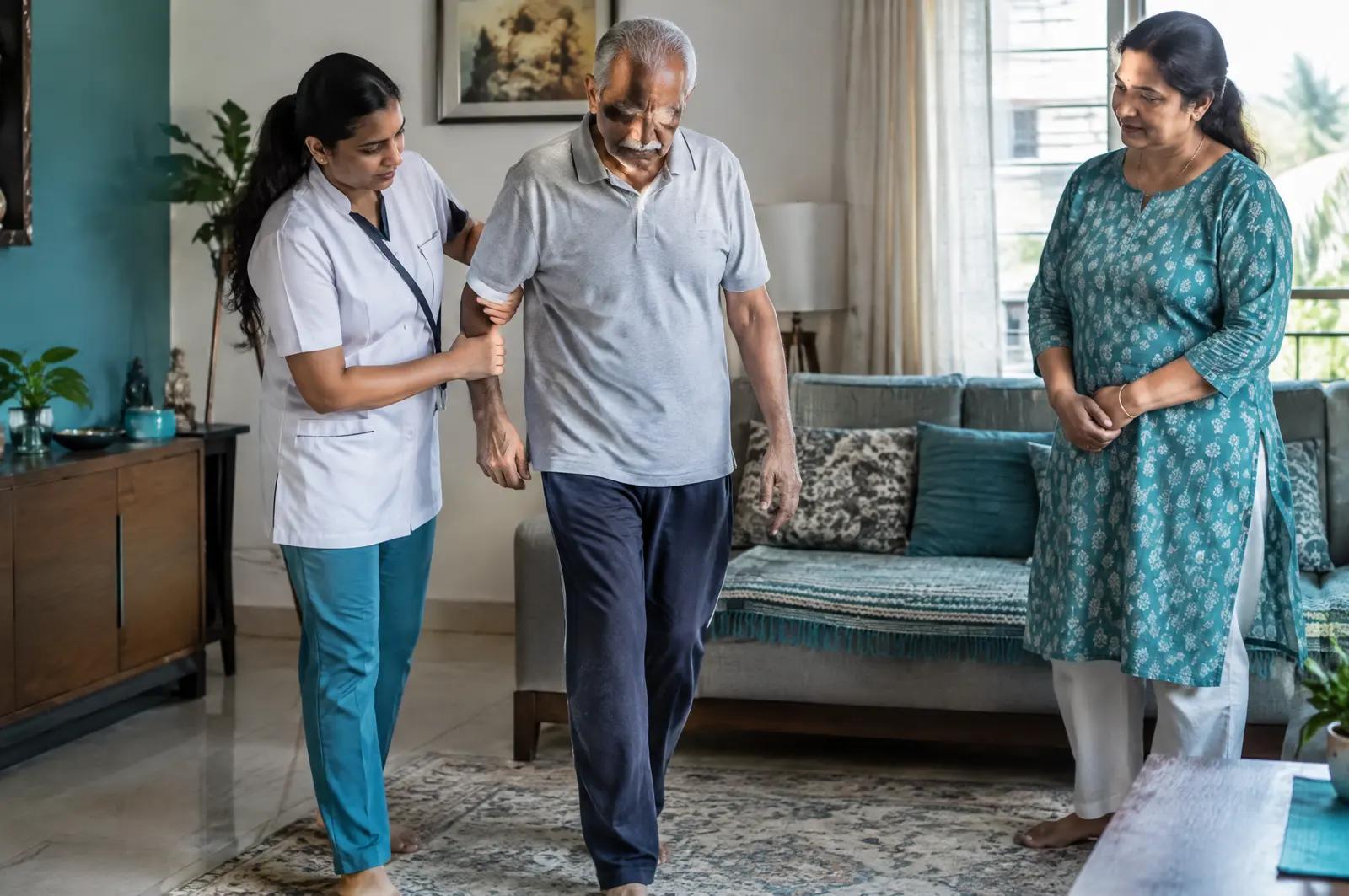
A practitioner can see six patients at the clinic in a morning and three at home, and the three have to be near each other. That makes visibility in specific residential pockets worth far more than visibility in general.
- Measure rank at particular points rather than across the city
- Find the societies and colonies where you do not appear at all
- Track condition and speciality keywords separately, since they differ
The physiotherapy playbook behind this page
In short: Everything on this page applies the national Physiotherapy Clinic SEO guide to Mumbai. These are its core rules.

Mumbai at a glance
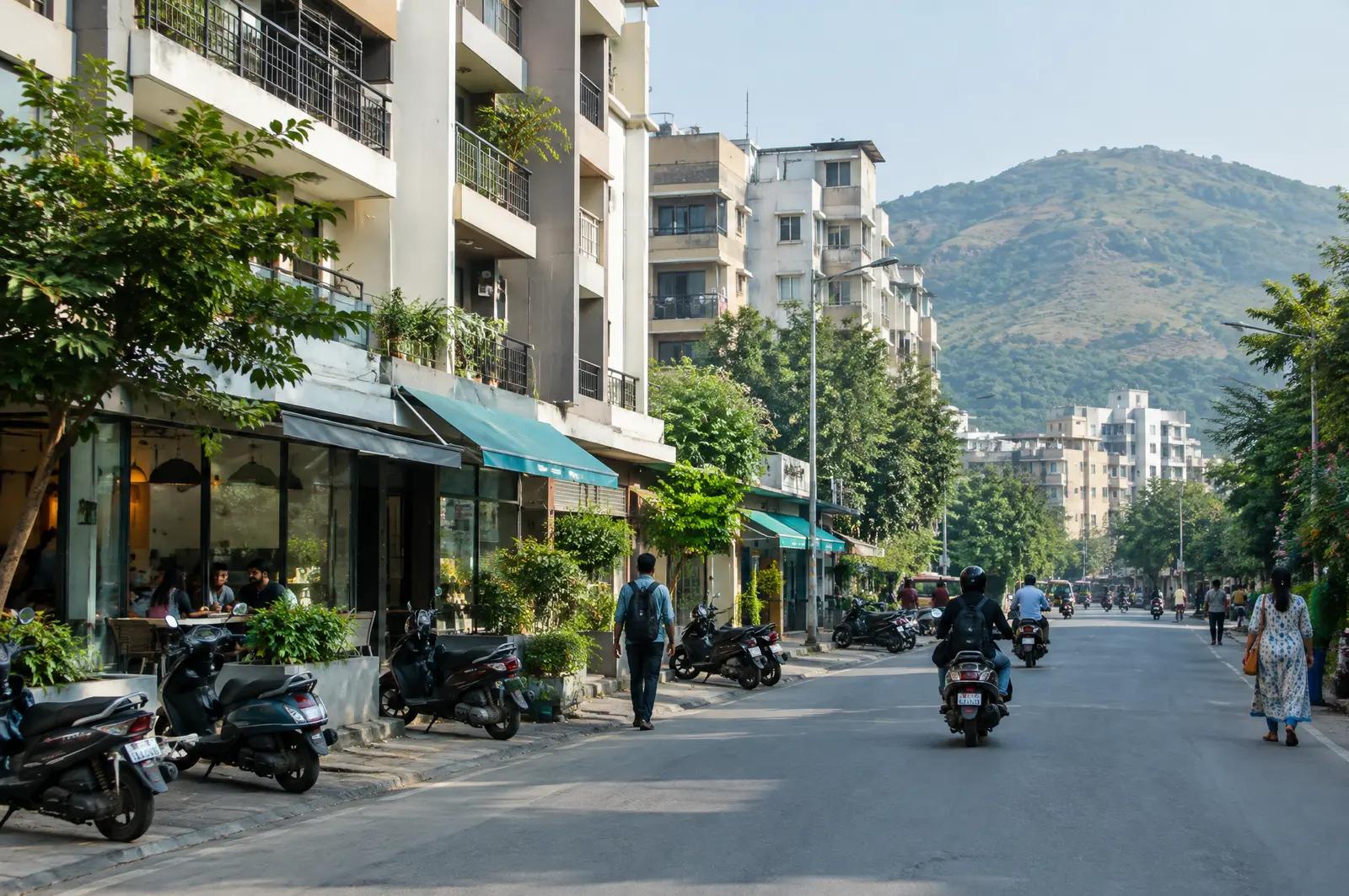
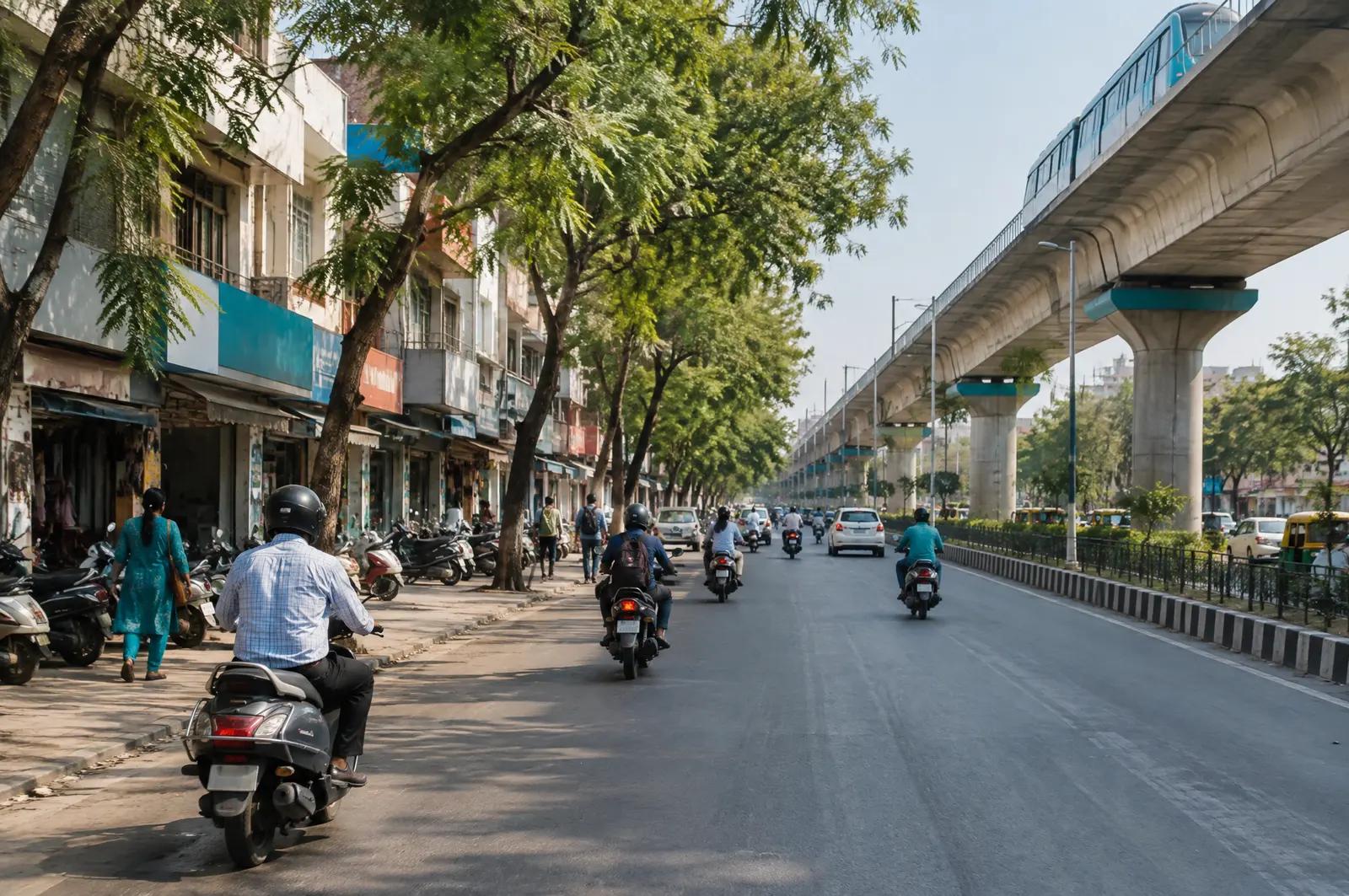
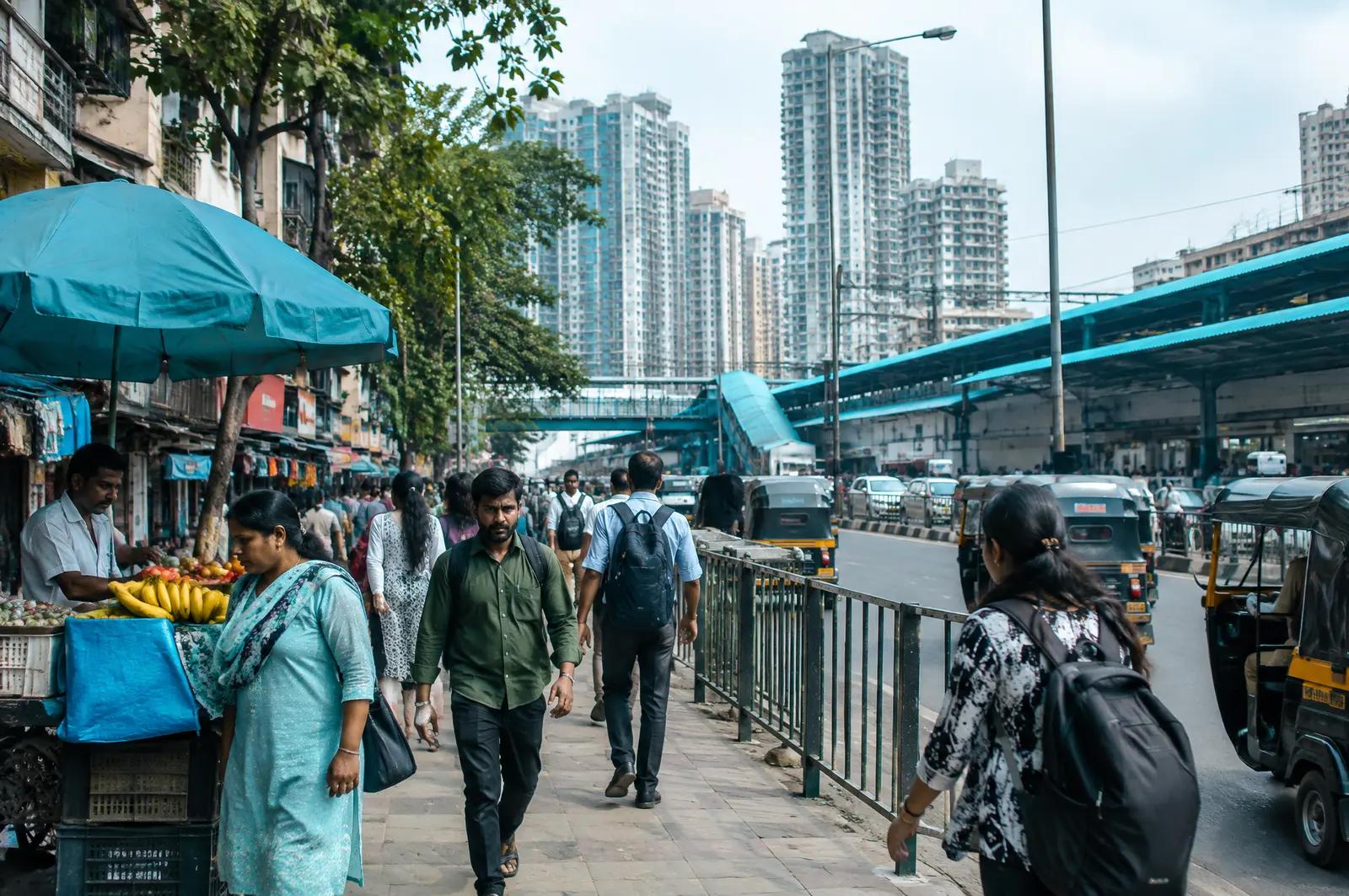
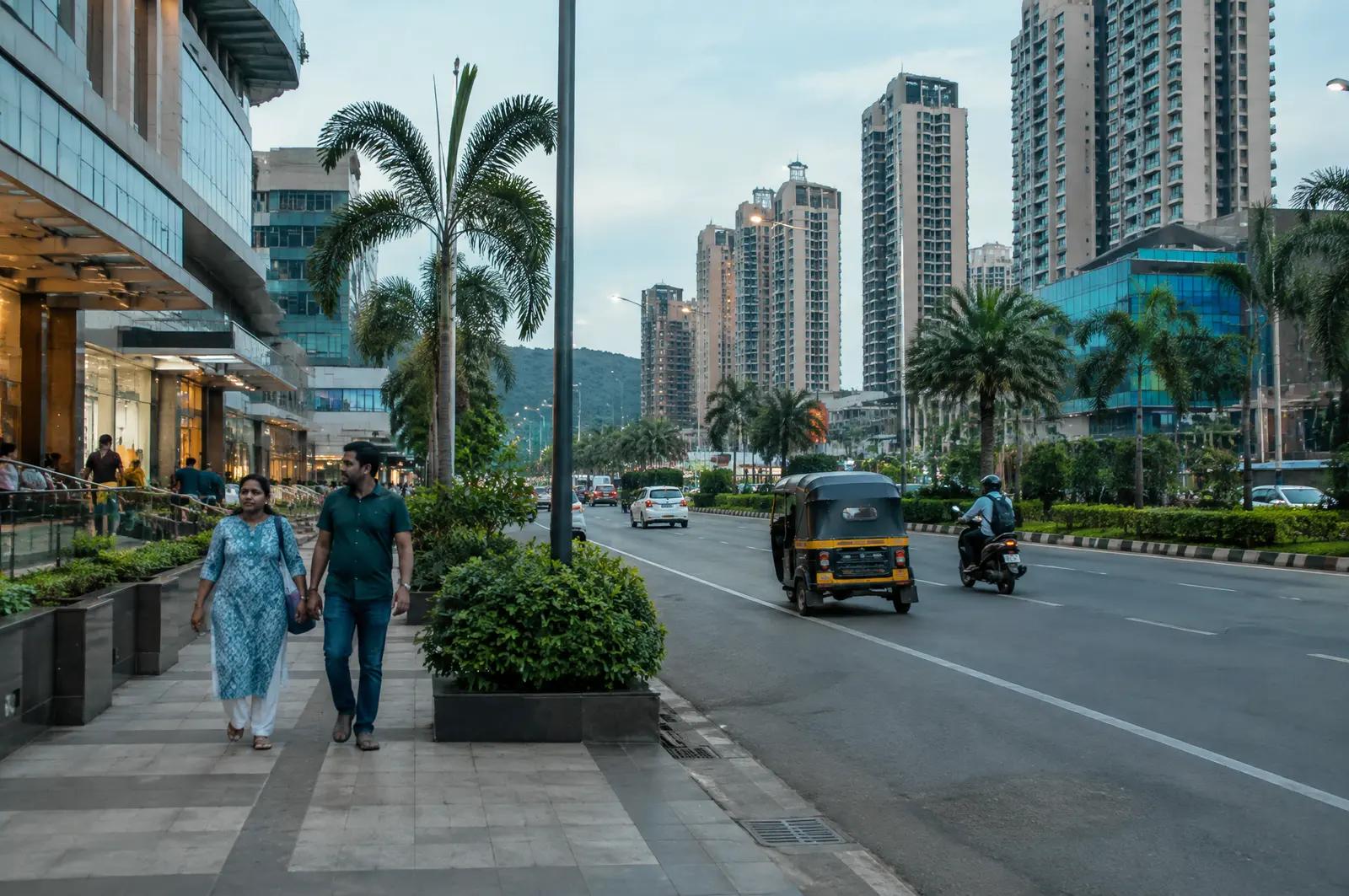
Mumbai’s local economy runs on density. Offices, wholesale markets, restaurants, clinics and service businesses are packed into a narrow island city and a long chain of suburbs, and each neighbourhood behaves like a town of its own. South Mumbai mixes old trading districts with high-end retail and dining; Lower Parel and Worli have turned former mill land into offices and restaurants; Bandra and Andheri draw a younger crowd for cafés, salons and fitness; and the eastern suburbs from Kurla to Mulund are dense residential markets where everyday services compete street by street.
Most people move along the Western, Central and Harbour rail lines, so customers rarely travel far for routine needs and tend to think in terms of their own station. A “near me” search in Andheri West returns a very different set of businesses from one in Ghatkopar, even though the two are not far apart on a map. Searchers often type a locality or station name instead of the city, so a profile that names its neighbourhood clearly is easier to match to those queries. Thane, Navi Mumbai and Mira-Bhayandar behave as separate markets.
Travel along a rail line is easy but crossing east–west between suburbs is slow, so most customers stick to businesses within a station or two of home or work.
Mumbai · 5 zones · 32 localities
South Mumbai
- Colaba
- Fort
- Churchgate
- Marine Lines
- Girgaon
- Malabar Hill
- Tardeo
Central Mumbai
- Dadar
- Parel
- Lower Parel
- Worli
- Prabhadevi
- Matunga
- Sion
Western Suburbs
- Bandra
- Khar
- Santacruz
- Vile Parle
- Juhu
- Andheri
- Goregaon
North Mumbai
- Malad
- Kandivali
- Borivali
- Dahisar
Eastern Suburbs
- Kurla
- Chembur
- Ghatkopar
- Vikhroli
- Powai
- Bhandup
- Mulund
Searched alongside the city
- Thane
- Navi Mumbai
- Mira-Bhayandar
- Vasai-Virar
- Kalyan-Dombivli

Physiotherapy Clinic SEO in Mumbai: questions owners ask
Hospital patients live all over the city. Should our home-visit area cover all of it?
No. Cover what your practitioners can reach several times a week, because visits only pay when they cluster. Name those localities, such as Lalbaug, Sewri and Wadala, and say plainly what you do not cover. A family told the truth up front is better for you than one that finds out after booking.
Should we mention our Maharashtra council registration on the profile?
Yes, in the description, alongside the BPT or MPT, the university and years in practice. Mumbai patients see massage centres and gym trainers using the word physiotherapy, and registration separates a qualified clinic without you saying anything about anybody else. Keep it current, and leave warnings about unqualified competitors out entirely.
We are on the east side of Andheri station. Will west-side patients come?
For a routine back or knee course, usually not, because the crossing adds friction to every visit. For a genuine speciality, such as neurological rehabilitation or pelvic health, they often will, because the alternatives are fewer. Win your own side with named conditions and reviews, and let speciality pages carry the wider reach.
Our reviews arrive in Marathi, Gujarati and English. How should we reply?
In the language each reviewer used, briefly, and without confirming that they were treated or mentioning any condition, even if they named it themselves. Thank them and invite them to contact the clinic directly for anything further. That respects their privacy and keeps the neighbourhood’s own vocabulary on the profile.
Which areas of Mumbai matter most for a physiotherapy business?
Start with Parel and Lower Parel, Dadar and Shivaji Park and Girgaon and Matunga. In Parel and Lower Parel: The hospitals around KEM and Tata Memorial discharge surgical patients needing continued rehabilitation, while offices on former mill land fill evening slots with desk-bound neck and back pain. Check your Google Maps position in each area separately, because ranking in one does not carry over to the next.
How do people in Mumbai search for a physiotherapist on Google?
They name the area as well as the service, in Marathi, Hindi and English. Typical searches include “pathdukhi physiotherapy dadar west” and “gudghedukhi upchar ghatkopar”. To win “pathdukhi physiotherapy dadar west”, your profile has to show back pain treatment as its own service, and the station side stated.
When is the busiest season for physiotherapy businesses in Mumbai?
Demand in Mumbai moves with Mumbai Marathon (Jan), Monsoon (Jun–Sep) and Ganeshotsav (Aug–Sep). Runners who trained through December arrive with knee, shin and calf complaints around the January race. List sports rehabilitation with named injuries from November, while training is still under way and runners are searching.
How should a physiotherapy business in Mumbai measure its Google Maps ranking?
Scan a 7×7 grid over 2 km around your location rather than searching from your own premises. A three-visits-a-week patient in Mumbai rarely travels far, so 2 km at 7×7, with points about 670 metres apart, matches a station’s walking catchment. Centre the scan on the clinic and look for the sharp drop at the railway line; repeat it centred on your busiest home-visit pocket.
How does Web Sarathi help a physiotherapy business in Mumbai?
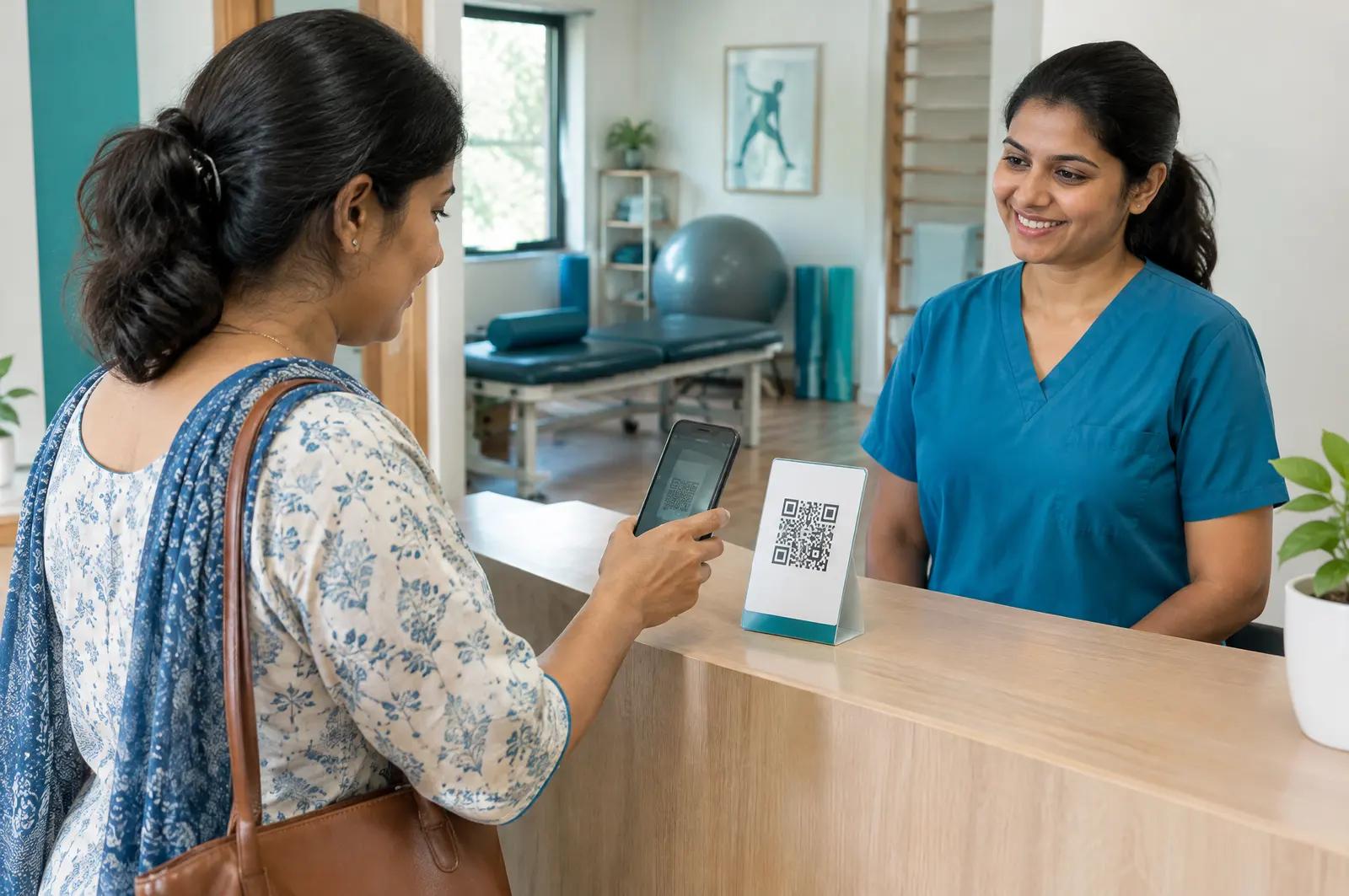
Web Sarathi audits your Google Business Profile on day one, gives you a short daily task list of about ten minutes, collects reviews through a QR code, drafts replies in the reviewer’s own language — including Marathi and Hindi — and maps your ranking across Mumbai so you can see which areas you are winning. You can start with a free audit.