Real Estate SEO · Navi Mumbai

Real estate SEO in Navi Mumbai: ranking node by node, sector by sector

Navi Mumbai buyers describe property by node and sector — “sector 20 kharghar”, “ulwe sector 19” — and the city’s planning makes those addresses unusually exact. Vashi, Nerul and Belapur are settled nodes where resale and rentals dominate; Kharghar and Kamothe sit in between; Ulwe, Dronagiri and Taloja are still filling with new projects. The airport near Ulwe, Atal Setu and the Metro through Kharghar have pulled attention south and east, and many of the buyers following them are new to the city.

Written by
Web Sarathi Local SEO Team
Last updated
Updated
Reading time
7 min read
A property business owner at work, looking at the camera
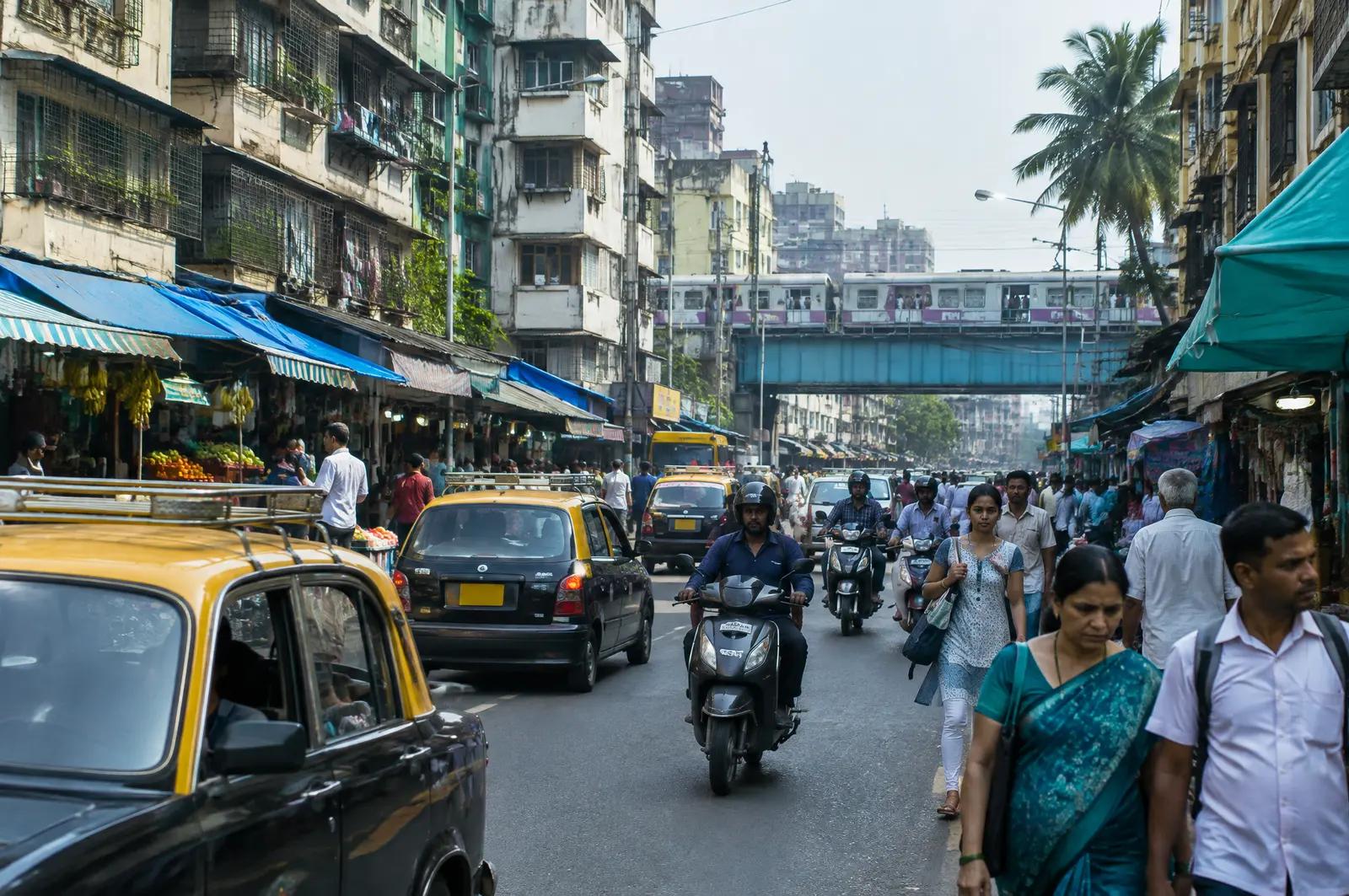
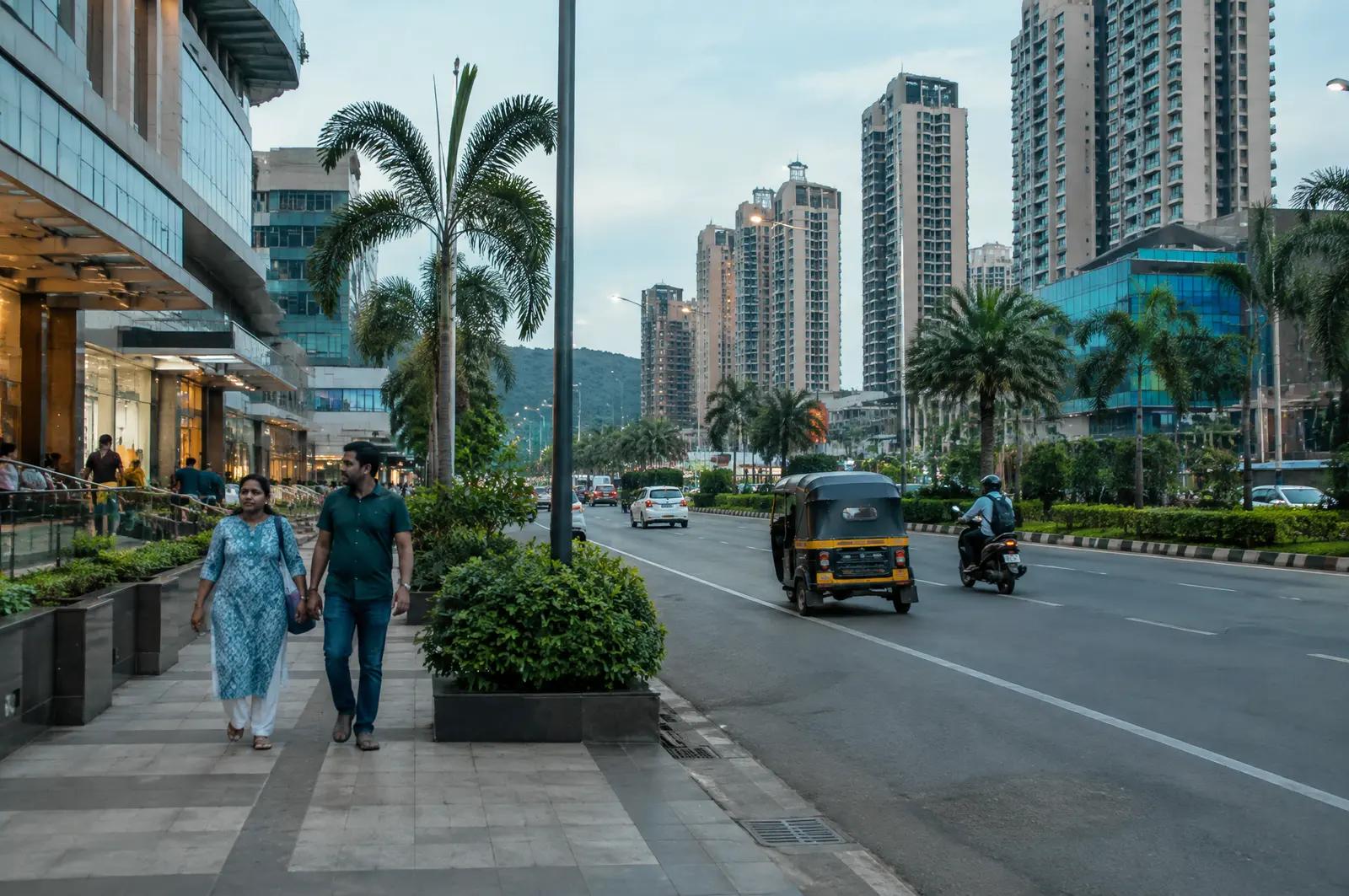
A commercial street in Navi Mumbai, Maharashtra, with local shops and traffic

Real Estate SEO · local report

Navi Mumbai

Maharashtra · also searched as New Bombay

Beneath the sector grid sits CIDCO. Much of the land in the nodes was allotted by CIDCO on long leases, so resales can involve CIDCO paperwork that first-time buyers do not expect, and CIDCO’s own housing schemes compete with private projects for the same budgets. Agents who explain both, and who name the exact sectors they cover, win the questions portals leave unanswered.

Search languages
Marathi · Hindi · English
Areas covered below
7 hotspots · 5 zones
Recommended scan
7×7 · 3 km
Key local dates
Gudi Padwa and the year-end · School-year moves · Monsoon

Real Estate SEO in Navi Mumbai: the short version

  1. Name the exact nodes and sector numbers you cover; buyers here type “kharghar sector 35”, and a profile that says only “Navi Mumbai” matches none of that precision.

  2. Keep a plain explainer on CIDCO resale steps; buyers search for it mid-purchase, and the agent who answered it is the one they call.

  3. In Ulwe, Dronagiri and Taloja, where most launches are, every project post needs its MahaRERA details and QR code; show the floor reached, never a handover date.

  4. Kharghar, Kamothe and Kalamboli fall under Panvel Municipal Corporation, Vashi to Belapur under NMMC; tell buyers which applies when they ask about tax and civic services.

Where property demand concentrates in Navi Mumbai

In short: In Navi Mumbai, the areas that matter most for property businesses are Vashi and Sanpada, Nerul and Seawoods, Kharghar and 4 more below. Rank in each one separately; a single search from your own counter tells you nothing about them.

Navi Mumbai · 7 areas to check one by one

  1. Vashi and Sanpada

    The oldest node, where early CIDCO-built buildings are entering redevelopment and the rental market around the station and APMC never sleeps; a clear redevelopment page and recent reviews set serious agents apart.

  2. Nerul and Seawoods

    Settled sectors near colleges and offices; families rent first and buy within the node, so a tenant review written today often turns into a sale enquiry a year or two later.

  3. Kharghar

    Planned sectors around Central Park and the golf course, with the Metro running through; buyers compare sectors on hill views, station distance and society age, and expect an agent who knows each one.

  4. Kamothe and Kalamboli

    Value buyers just across the Sion–Panvel highway from Kharghar, with rentals turning over among young families; Marathi and Hindi replies and sector-level posts do most of the work.

  5. Ulwe

    The node closest to the new airport, with projects at every stage; buyers check MahaRERA registrations line by line, and posts showing genuine construction progress earn more trust than renders.

  6. Dronagiri and Taloja

    Further out, with CIDCO housing schemes and private projects side by side; newcomers want commute times, approach roads and scheme conditions explained before they discuss price.

  7. Airoli and Ghansoli

    Close to the Thane–Belapur IT parks, with tenants on transfer and buyers who also consider Thane; a Kharghar office rarely reaches this far, so these nodes need their own pages and reviews.

How people in Navi Mumbai search for a property agent

In short: People in Navi Mumbai search in Marathi, Hindi, English, and they name the area, not just the service. Your profile has to match the words they actually type.

A customer in Navi Mumbai looking up a nearby business on a phone
  • kharghar sector 35 2 bhk resale
    What they mean
    A buyer who has already chosen the node and the sector
    What your profile must show
    Kharghar sectors named in the description and resale as a listed service
  • ulwe madhe navin project maharera
    What they mean
    Marathi mix: “new MahaRERA project in Ulwe”
    What your profile must show
    MahaRERA numbers and QR codes on each project post
  • nerul la flat bhadyane dene ahe
    What they mean
    Marathi: “I want to give my flat on rent in Nerul”
    What your profile must show
    Landlord services and property management listed separately
  • cidco flat resale process
    What they mean
    A buyer of a CIDCO-built flat checking the steps
    What your profile must show
    A plain explainer on CIDCO resale paperwork, linked from posts
  • cidco scheme flat taloja resale
    What they mean
    An owner or buyer of a housing-scheme flat
    What your profile must show
    Scheme-flat resales listed as a service, with conditions explained in general terms
  • property agent near seawoods station
    What they mean
    A newcomer orienting by the railway
    What your profile must show
    Seawoods named in the description, with directions from the station
  • flat on rent airoli near it park
    What they mean
    A professional transferred to the Thane–Belapur belt
    What your profile must show
    Rentals described by node and commute time to the IT parks

What makes Navi Mumbai different

In short: What changes in Navi Mumbai: Sectors are the vocabulary · CIDCO paperwork shapes resale · Infrastructure moved the centre of gravity · Gaothans inside the nodes.

A local business owner in their shop in Navi Mumbai

Sectors are the vocabulary

CIDCO laid each node out in numbered sectors, and residents, buyers and delivery riders all use them. That makes Navi Mumbai unusually easy to target: name the sectors you work in, write one honest page per cluster of sectors, and ask clients to mention theirs in reviews. A profile that says only “Navi Mumbai” leaves all that precision unused.

CIDCO paperwork shapes resale

Long leases on CIDCO-allotted land, society transfers and the conditions attached to scheme flats make resale here different from Mumbai’s. Buyers search these questions before they choose an agent. A plain, general explainer, updated whenever CIDCO changes its process and sending buyers to a lawyer for specifics, earns trust and links naturally from every resale post.

Infrastructure moved the centre of gravity

Atal Setu, the Metro through Kharghar and the airport near Ulwe have made the southern nodes the busiest for launches, and much of the advertising there leans on travel times. Keep posts factual: the registered project, its MahaRERA number and QR code, and distances described rather than promised. Buyers verify, and reviews remember.

Gaothans inside the nodes

Original village settlements, or gaothans, sit inside several nodes, and some buildings there went up without CIDCO approval. Buyers drawn by lower prices need to know the difference before they visit. If you handle such property, state plainly what approvals exist; if you do not, saying so in your description saves both sides a wasted call.

The Navi Mumbai property calendar

In short: Demand in Navi Mumbai moves with Gudi Padwa and the year-end (Mar–Apr), School-year moves (May–Jun), Monsoon (Jun–Sep). Prepare your profile two to three weeks before each one.

A young couple on a sofa at home in the evening comparing flats on a phone
  1. Gudi Padwa and the year-endMar–Apr

    Buyers try to complete registration before 31 March and to book on Gudi Padwa. Plan project posts for the week before the festival, and ask each March registration for a review while the buyer is still at the sub-registrar’s office.

  2. School-year movesMay–Jun

    Families shift between nodes before schools reopen, often from a rental in Vashi or Nerul to a purchase in Kharghar or Ulwe. Keep rental listings current, and ask outgoing tenants and new owners for reviews at handover.

  3. MonsoonJun–Sep

    Heavy rain tests the newer nodes: approach roads in Ulwe and Taloja and low-lying sectors show their drainage. Visit after a downpour, photograph honestly, and add the pictures to sector pages so buyers can judge for themselves.

  4. Navratri to DiwaliOct–Nov

    Possession ceremonies and bookings arrive in the same weeks. Promote only registered projects, name the sector in each festive post, and ask families who take keys that month to review while the move is fresh.

Measuring your reach across Navi Mumbai

In short: Scan a 7×7 grid over 3 km around your location to see where you appear in the local pack and where a competitor beats you.

Example scan, Navi Mumbai

Example

7×7 grid, 3 km radius, points about 1 km apart

Nodes are compact and separated by highways, creeks and hills, so 3 km at 7×7, points a kilometre apart, covers one node and the edges of its neighbours. Centre it on the sector cluster you sell most, run a second scan for any other node you serve, and watch for rank breaking at the Sion–Panvel highway.

In the top three at 14 of 48 points

  • Top 3, the local pack14 points
  • Ranks 4 to 1014 points
  • Ranks 11 to 308 points
  • Ranks 31 to 1004 points
  • Not in the results8 points
  • Your business, at the centre of the scan

Illustration. A real Web Sarathi scan plots your actual Google Maps position at every point, with the businesses ranking above you.

Live Grid Ranking

See your real rank in every locality you sell in

Grid Ranking runs your keyword from a grid of real search points across your city and returns your actual Google Maps position at each one. Green where you own the search, red where a buyer would never find you. Run it monthly and you can see whether the last four weeks of work moved anything — long before it shows up in enquiries.

  • Pick any keyword — "2 bhk resale flat", "property dealer in Baner" — and scan your whole operating area.
  • Your rank at every grid point, not the flattering number you get standing in your own office.
  • Month-on-month comparison, so a slow-moving channel finally has a fast-moving signal.
  • Competitor overlay shows who is occupying the localities where you are red.
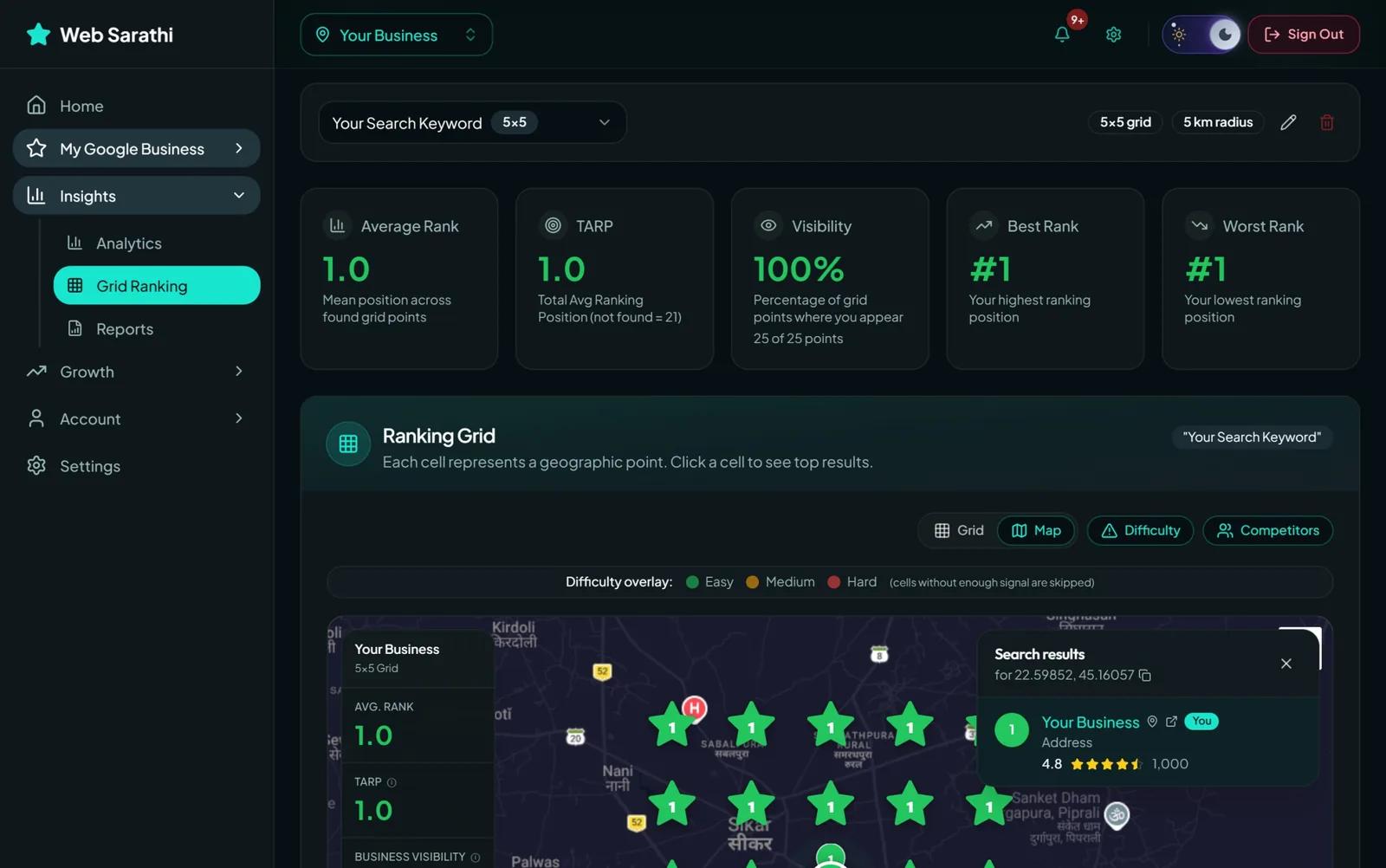
Grid ranking heat map showing Google Maps position at each search point across a city

The property playbook behind this page

In short: Everything on this page applies the national Real Estate SEO guide to Navi Mumbai. These are its core rules.

An Indian property consultant holding a tablet on the balcony of a new show flat, with apartment towers and a crane behind him
  1. When four agencies sit on the same market road, distance separates none of them; the local pack is decided by relevance and prominence — category, services, description, review count, recency and the words inside reviews.

  2. Your Google rank is a different number at every point on the map. Checking from your office flatters you; a grid scan across the localities where you hold inventory shows where buyers cannot find you.

  3. Under RERA a Google post is an advertisement: never post about an unregistered project, show the project registration number prominently, put your own agent registration number in the description, and avoid promising possession dates.

  4. Buyers return once a decade, so widen who you ask: tenants at every eleven-month agreement, landlords, site visitors who bought elsewhere and NRI clients. Ask at handover by QR, and reply to every review.

  5. Portals own the head terms and no agent outspends them. Compete on the specific tail: a real page for each locality, society and service you work in, not a template with the name swapped.

Navi Mumbai at a glance

Navi Mumbai is a planned city of separate nodes, each laid out with its own sectors, station and market, and its business landscape follows that pattern. Vashi, the oldest node, is the main commercial centre, with malls, restaurants, clinics and the large APMC wholesale markets for produce and groceries, while Nerul, Seawoods and CBD Belapur mix offices, colleges and established residential sectors. Kharghar, Kamothe, Ulwe and the newer nodes towards Panvel have filled with apartment complexes, creating demand for salons, gyms, preschools, clinics, cafés and home services, and the Thane–Belapur Road industrial belt holds offices and IT parks.

Residents think node by node and sector by sector. A family in Kharghar rarely travels to Vashi for a haircut or a pharmacy, and Airoli and Ghansoli, closer to Thane, behave as a separate market from Nerul or Belapur. Because addresses use sector numbers, many customers search with the node and sector, so a profile that states both clearly is easier to match. With the new airport near Ulwe drawing work and housing southwards, newer residents without local contacts lean heavily on reviews. Searches mix Marathi, Hindi and English.

Navi Mumbai’s nodes are strung along the Harbour and Trans-Harbour rail lines and the Sion–Panvel and Thane–Belapur roads, so customers think node by node and rarely cross from Airoli to Kharghar for routine services.

Navi Mumbai · 5 zones · 23 localities

Vashi and Surroundings

  • Vashi
  • Sanpada
  • Juinagar
  • Turbhe
  • APMC Market

Thane–Belapur Road Belt

  • Airoli
  • Rabale
  • Ghansoli
  • Kopar Khairane
  • Mahape

Nerul and Belapur

  • Nerul
  • Seawoods
  • Karave
  • CBD Belapur

Kharghar and Panvel Nodes

  • Kharghar
  • Kamothe
  • Kalamboli
  • Taloja
  • New Panvel

Ulwe and the Uran Line

  • Ulwe
  • Bamandongri
  • Kharkopar
  • Dronagiri

Searched alongside the city

  • Panvel
  • Uran
  • Thane
  • Chembur

Real Estate SEO in Navi Mumbai: questions owners ask

Should I make one Google profile for all of Navi Mumbai?

You get one per staffed office, and a single office will not rank across every node. Navi Mumbai is a string of separate markets, and buyers search the node. Use your description, services and posts to name the nodes you genuinely work, write a page for each, and accept that a Vashi office will struggle in Ulwe without a real presence there.

Can I advertise flats from a CIDCO housing scheme?

You can help owners resell scheme flats once they are free to sell, but never present yourself as part of CIDCO’s allotment process. Explain in general terms that scheme flats carry their own conditions, point buyers to CIDCO’s published rules, and list the service honestly. Implying you can secure allotments is the quickest route to complaints and one-star reviews.

Is it worth writing about the airport on my website?

Only factually. Buyers in Ulwe, Dronagiri and Panvel search for how the airport affects them, so a page with real distances, road links and what is already open answers a genuine question. Do not promise appreciation or rental yields; your page counts as advertising under RERA, and unbacked claims expose you to complaints. Update it as connectivity changes.

Do Kharghar buyers really read reviews?

Closely, because many are new to Navi Mumbai and have no neighbours to ask yet. Reviews that name the sector, the society and what you actually did — handling the society NOC, negotiating a transfer, finding a flat near the station — answer the questions they would otherwise put to a friend. Ask at handover, and reply to every one.

Which areas of Navi Mumbai matter most for a property business?

Start with Vashi and Sanpada, Nerul and Seawoods and Kharghar. In Vashi and Sanpada: The oldest node, where early CIDCO-built buildings are entering redevelopment and the rental market around the station and APMC never sleeps; a clear redevelopment page and recent reviews set serious agents apart. Check your Google Maps position in each area separately, because ranking in one does not carry over to the next.

How do people in Navi Mumbai search for a property agent on Google?

They name the area as well as the service, in Marathi, Hindi and English. Typical searches include “kharghar sector 35 2 bhk resale” and “ulwe madhe navin project maharera”. To win “kharghar sector 35 2 bhk resale”, your profile has to show kharghar sectors named in the description and resale as a listed service.

When is the busiest season for property businesses in Navi Mumbai?

Demand in Navi Mumbai moves with Gudi Padwa and the year-end (Mar–Apr), School-year moves (May–Jun) and Monsoon (Jun–Sep). Buyers try to complete registration before 31 March and to book on Gudi Padwa. Plan project posts for the week before the festival, and ask each March registration for a review while the buyer is still at the sub-registrar’s office.

How should a property business in Navi Mumbai measure its Google Maps ranking?

Scan a 7×7 grid over 3 km around your location rather than searching from your own premises. Nodes are compact and separated by highways, creeks and hills, so 3 km at 7×7, points a kilometre apart, covers one node and the edges of its neighbours. Centre it on the sector cluster you sell most, run a second scan for any other node you serve, and watch for rank breaking at the Sion–Panvel highway.

How does Web Sarathi help a property business in Navi Mumbai?

Web Sarathi audits your Google Business Profile on day one, gives you a short daily task list of about ten minutes, collects reviews through a QR code, drafts replies in the reviewer’s own language — including Marathi and Hindi — and maps your ranking across Navi Mumbai so you can see which areas you are winning. You can start with a free audit.


How Web Sarathi helps

Everything above, done in about ten minutes a day

Ranking across Navi Mumbai comes down to a few things done steadily. Web Sarathi tells you which ones to do today, does the slow parts for you, and maps your position across Navi Mumbai so you can see it working.

  • A customer scanning the review QR code at a property counterReviews in seconds
  • A property business owner replying to reviews on a phoneReplies, steadily
  • A property business owner photographing their work for a postReal photos, posted
  1. Audit and score

    Day one: more than 50 checks on your profile and a score out of 100, so you know exactly what is missing.

  2. Ten minutes a day

    A short daily task list — complete the profile first, then photos, posts, reviews and replies, in the right amounts.

  3. Reviews in seconds

    A QR code at the counter. Customers pick a suggested highlight, make it their own and post it from their Google account.

  4. Replies Google rewards

    One-click or automatic replies in the reviewer’s language, paced so the profile never looks automated.

  5. Posts and a live website

    Keyword-aware captions for your real photos, published to Google and to a website that updates itself every night.

  6. Rank map and protection

    Your Google Maps position street by street, the competitors beating you, and an alert when someone edits your profile.

Be one of the three businesses Google shows first.

Start with a free audit of your Google profile: where you rank on a map around your business, the competitors Google shows above you, and what your profile is missing, so you know exactly what to fix first. Then sign up, pick an onboarding slot, and our experts set your profile up with you on Google Meet. After that, about ten minutes a day.

No credit card Expert setup on Google Meet, then your 7-day free trial

Read the Real Estate SEO guide